
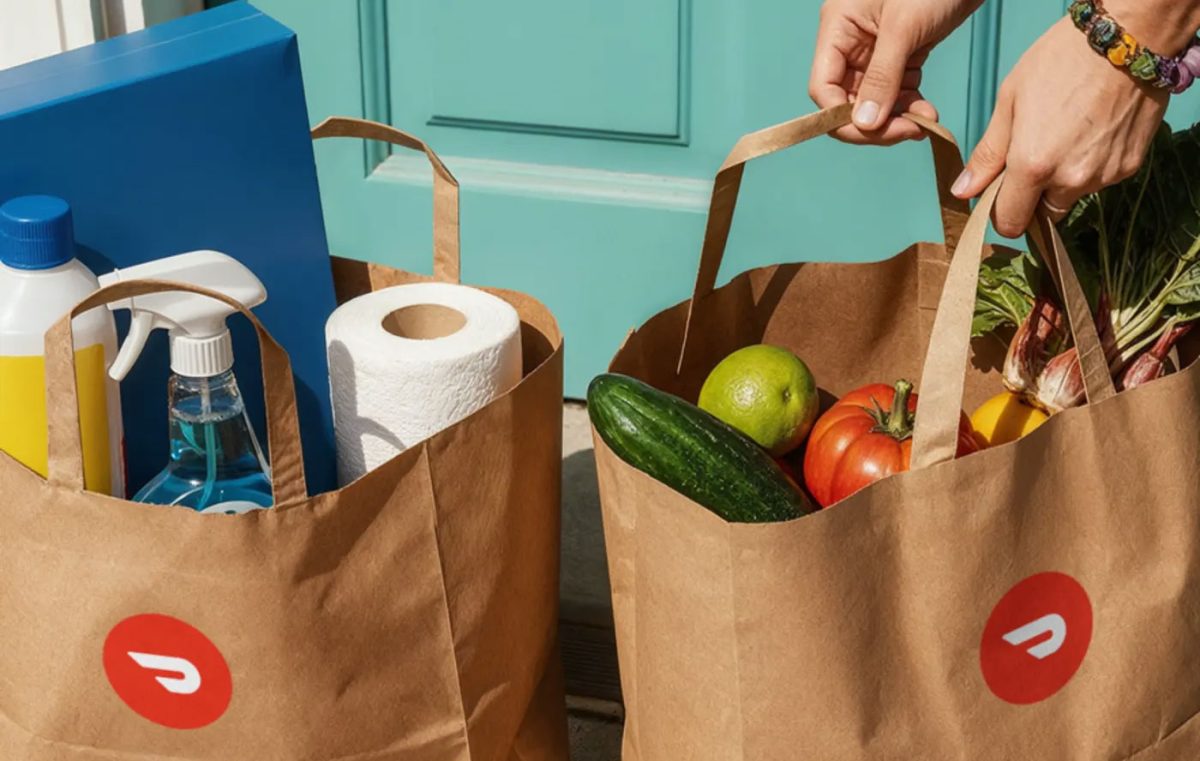
SNAP/EBT delivery is connecting grocers with customers they weren’t reaching before, according to DoorDash’s third annual SNAP/EBT research report, released during September’s Hunger Action Month.
The report found that about 80 percent of a store’s SNAP customers on the platform were new to that store, and SNAP customers spend roughly 50 percent more per order and order about three times more often per month than non-SNAP customers, suggesting they rely on delivery for regular grocery stock-ups rather than fill-in orders.
Since introducing SNAP/EBT payments in 2023, DoorDash reports more than 4.5 million consumers have added SNAP/EBT cards to the app, up from nearly 3 million a year ago, and nearly 75,000 stores now accept SNAP/EBT on the platform, up from more than 50,000 in June 2025. The company says 99 percent of U.S. households receiving SNAP benefits now have access to at least one participating store.
The report, titled “Groceries Within Reach,” is based on a survey of more than 1,000 SNAP/EBT DoorDash consumers alongside internal platform data.
Key findings
- SNAP/EBT consumers on DoorDash are twice as likely to live in a food desert as non-SNAP DoorDash consumers, yet 98 percent of SNAP households in food deserts have access to a SNAP-accepting store on the platform.
- More than 1 in 3 respondents (37 percent) report a disability or chronic illness; caregiving responsibilities (46 percent) and difficulty accessing transportation (43 percent) are the top reasons consumers turn to SNAP/EBT delivery.
- 83 percent said it is easier to manage their food budget shopping through the app, and 81 percent said it helps ensure groceries last the entire month.
- 70 percent reported positive changes in eating habits since using SNAP/EBT on DoorDash, led by cooking at home more; 90 percent of those said the changes benefited their household’s health.
- 93 percent said the service frees up time, with most reclaiming one to four hours weekly, redirected to household tasks, rest and cooking.
- Survey respondents are largely women (86 percent) and parents or caregivers (71 percent), and 52 percent have household incomes under $25,000.
- Meat and fish account for the largest share of SNAP-funded grocery spending (15 percent), with staples overall, including pantry items, produce, dairy and eggs, topping 40 percent of spend.
- If SNAP/EBT weren’t available on DoorDash, 61 percent of consumers would turn to a big-box online retailer instead of visiting a local merchant in store; only about 25 percent would return to shopping the same store in person.
Formula case study
At pharmacies on the platform, baby formula is the single largest SNAP/EBT category at about 18 percent of pharmacy SNAP spending. A SNAP order placed between 5-7 a.m. is nearly twice as likely to contain formula as the all-day pattern would predict, DoorDash said, reflecting urgent need during hours when getting to a store is hardest.
The report notes SNAP accounts for roughly 12 percent of U.S. grocery sales overall but can exceed 60 percent of sales at grocers serving low-income rural and urban communities, according to the National Grocers Association.
The survey covered 1,107 consumers who used SNAP/EBT on DoorDash in the past month, with a margin of error of plus or minus 3 percentage points.