

Few things are more important to retail produce sales than having beautifully ripened bananas on display. But when bananas ripen too quickly on the shelf, shrink and waste increase. And when they ripen too quickly after purchase or delivery, poor banana quality can leave customers dissatisfied—and looking to shop elsewhere.

Yet the logistics of keeping shelves stocked often lead retailers to use shorter banana ripening cycles simply to move product through the system faster. While this may solve an immediate stocking challenge, it can come at the expense of shelf life, quality, sales and profit.
According to David Byrne, Vice President of Thermal Technologies and one of the industry’s leading experts on commercial banana ripening, moving to a longer ripening cycle can extend shelf life while providing bananas that look better and weigh more. Delivering a better overall customer experience while improving sales and profit.
We asked David to explain how—and why—a longer ripening cycle can make such a significant difference.
Q: What’s the difference between using a shorter or longer banana ripening cycle?
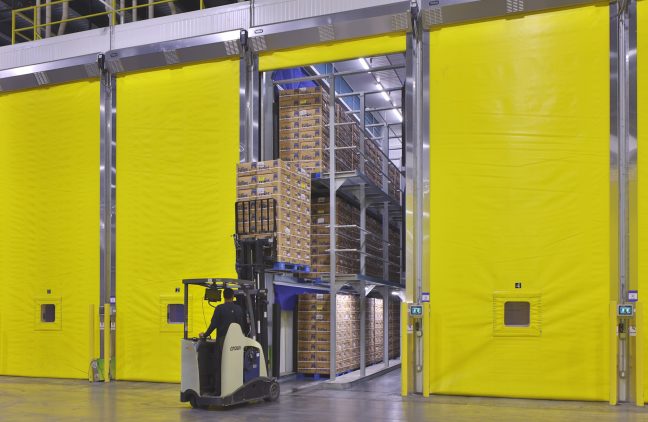
Byrne: Banana ripening is essentially a respiration, or breathing, process. As bananas ripen, they consume oxygen while releasing carbon dioxide and heat. This process converts the starches in green, unripe bananas into the sugars that give ripe bananas their characteristic color, texture, flavor and sweetness.
For the most part, temperature controls the rate of respiration. That means the temperatures used in the ripening room can influence how quickly bananas continue to ripen after they leave the room—on the retail shelf and eventually in the consumer’s kitchen.
Shorter ripening cycles typically use more heat to accelerate the ripening process. This results in bananas that have been conditioned to ripen more quickly, which ultimately reduces their remaining shelf life.
Longer ripening cycles slow down banana respiration by using less heat. This establishes a slower rate of ripening – extending shelf life while giving the fruit more time in the ripening room. Some people refer to this as “cold ripening” because the temperatures used for ripening are typically cooler than those used in shorter, more aggressive ripening programs.
But the advantages of spending more time in the ripening room go beyond shelf life. The controlled environment maintains peel quality and appearance while minimizing stress on the fruit. The result is better-looking retail bananas with longer shelf life.
Q: How do longer ripening cycles increase sales and profit?
Byrne: Bananas that spend more time in the ripening room not only look better and last longer—the sustained relative humidity in the ripening room helps protect the fruit from peel moisture loss and dehydration, minimizing product weight loss. So the fruit weighs more in comparison to fruit processed without proper humidification.
Then there is the benefit of extended shelf life. A longer ripening cycle of five days or more can provide additional hours of shelf life for the consumer. That extra time can make a significant difference at retail. It gives stores more opportunity to sell more bananas while they still look attractive, reducing shrink and waste.
The benefits continue after the sale. Bananas that last longer on the consumer’s kitchen counter are more likely to deliver the quality experience customers expect. That can improve customer satisfaction and retention—and potentially benefit sales across other produce categories as well.
By contrast, bananas subjected to aggressive ripening cycles of four days or less often weigh less, may not look as good and can have less remaining shelf life both at retail and in the consumer’s home. The results can lead to higher shrink, more waste, lower sales and, perhaps most importantly, a dissatisfied customer.
We have even seen situations where abbreviated gassing and shipping schedules do not allow bananas enough time to develop proper quality and color before reaching the store. That is particularly frustrating because it is often avoidable when retailers have control of their own ripening rooms.
Q: If longer cycles offer so many advantages, why doesn’t everyone use them?
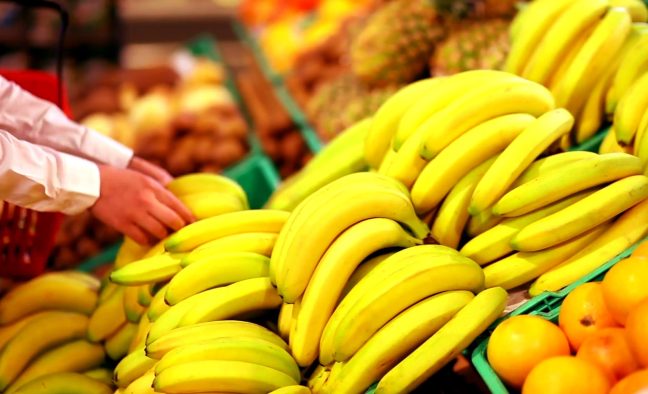 Byrne: For wholesalers, who often serve a wide variety of customers besides retailers, shorter ripening cycles can help them meet the wide diversity of their clients’ needs, order patterns and product-flow requirements with greater efficiency. However, many wholesalers can adjust to a longer cycle when a retail customer requests it—provided the retailer can maintain regular, dependable order quantities.
For retailers, the issue is often awareness. Banana quality is typically managed at the wholesale or distribution center (DC) level, and it may receive little attention unless there is a problem. In addition, many DCs no longer have trained, dedicated ripeners on staff. The people responsible for ripening often inherit the process that was already in place and may understandably be reluctant to change it.
And though moving to a longer ripening cycle does require careful preparation and planning, once the program is properly established, most warehouse personnel find that it is just as seamless and efficient as a shorter cycle—and in some cases, even more so. The difference is that the longer-cycle program can deliver benefits that over time far exceed the results of a shorter program while improving customer satisfaction.
At Thermal Tech, we have worked with some of the industry’s largest and most successful retailers, wholesalers and growers for more than 35 years. Based on that experience, we have found that a five-day-or-longer ripening cycle is one of the most effective ways to consistently achieve superior banana quality and shelf life while maximizing sales and profitability.
In an industry where a few additional hours of shelf life can make a meaningful difference, giving bananas more time in the ripening room may be one of the simplest ways to improve the product—and the bottom line.
David Byrne can be reached at 803-461-7980 or [email protected]