
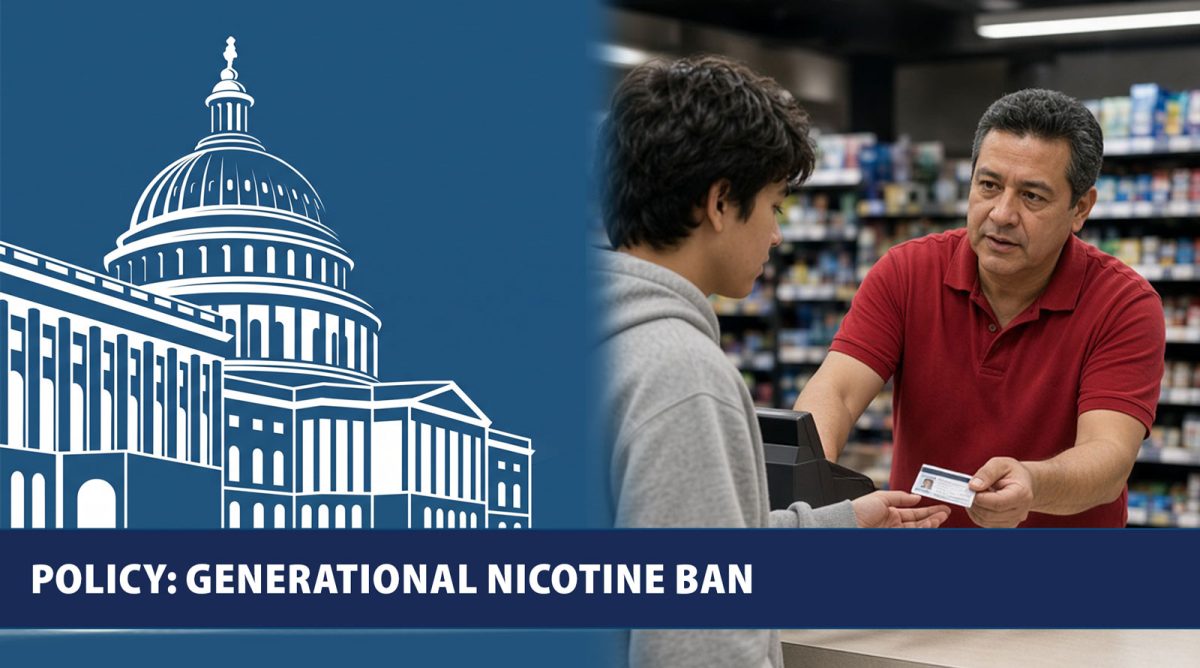
The Sheffield, Massachusetts, Board of Health has rescheduled its discussion of a proposed “nicotine-free generation” regulation to Oct. 20 at 5:30 p.m. after its Oct. 13 meeting was canceled for lack of a quorum, according to the town administrator’s office. The policy would permanently bar the sale of tobacco and nicotine products to anyone born on or after a cutoff date to be set by the board.
The delay gives convenience store owners another week to rally against the measure. The New England Convenience Store and Energy Marketers Association – which represents thousands of convenience stores in the region – is urging opponents to attend the in-person meeting at Town Hall, 21 Depot Square, and speak during public comment.
The proposal would cover cigarettes, e-cigarettes, cigars, chewing tobacco and nicotine pouches. Adults born before the cutoff date would still be able to buy those products in town.
Retailers’ case against the ban
NECSEMA said in a statement that it opposes the measure because it treats legal adults differently based on their birth year, creates an illicit market and does nothing to curb underage use, since anyone affected by the ban is already 21 or older.
The association pointed to recent setbacks for similar policies. Bellingham town meeting voters rejected a nicotine-free generation proposal in May, and Manchester-by-the-Sea voters moved to rescind a bylaw adopted by that town’s appointed board of health. NECSEMA said 16 Massachusetts communities have rejected or shelved the policy, including Worcester, Peabody, Lynnfield, Milton, Westfield, Mansfield, North Attleboro, Rockland, Ashland and Barnstable.
The group runs a campaign against the bylaws under the name Citizens for Adult Choice.
Policy spreading in western Massachusetts
Supporters have had their own run of wins, particularly in the western part of the state. Easthampton’s board of health voted unanimously in June to adopt the policy, with a Jan. 1, 2026, birth cutoff and a Sept. 1 effective date, making it the 25th Massachusetts municipality to do so, according to WWLP. Northampton, Amherst, Belchertown, South Hadley, Pelham and Conway have also adopted versions of the regulation.
“I believe this updated regulation is a long-term investment in the health of our community’s youngest residents,” said Ryan Griffin, Easthampton health director, in a statement reported by WWLP.
Public health officials backing the policy say most nicotine users start as young adults and that a permanent cutoff prevents the next generation from ever beginning. Brookline became the first community in the country to adopt a generational ban in 2020, and the Massachusetts Supreme Judicial Court upheld it in 2024, clearing the way for other towns to follow. A statewide version has been filed on Beacon Hill but has not advanced out of committee.
For grocery retailers and c-store operators in affected towns, the practical effect is a shrinking pool of eligible tobacco customers each year, plus the compliance burden of checking birth dates against a fixed cutoff rather than a simple age of 21.
The Sheffield board’s agenda for the rescheduled meeting also includes a tobacco license application form and a review of the town’s commercial hauler recycling regulations.