
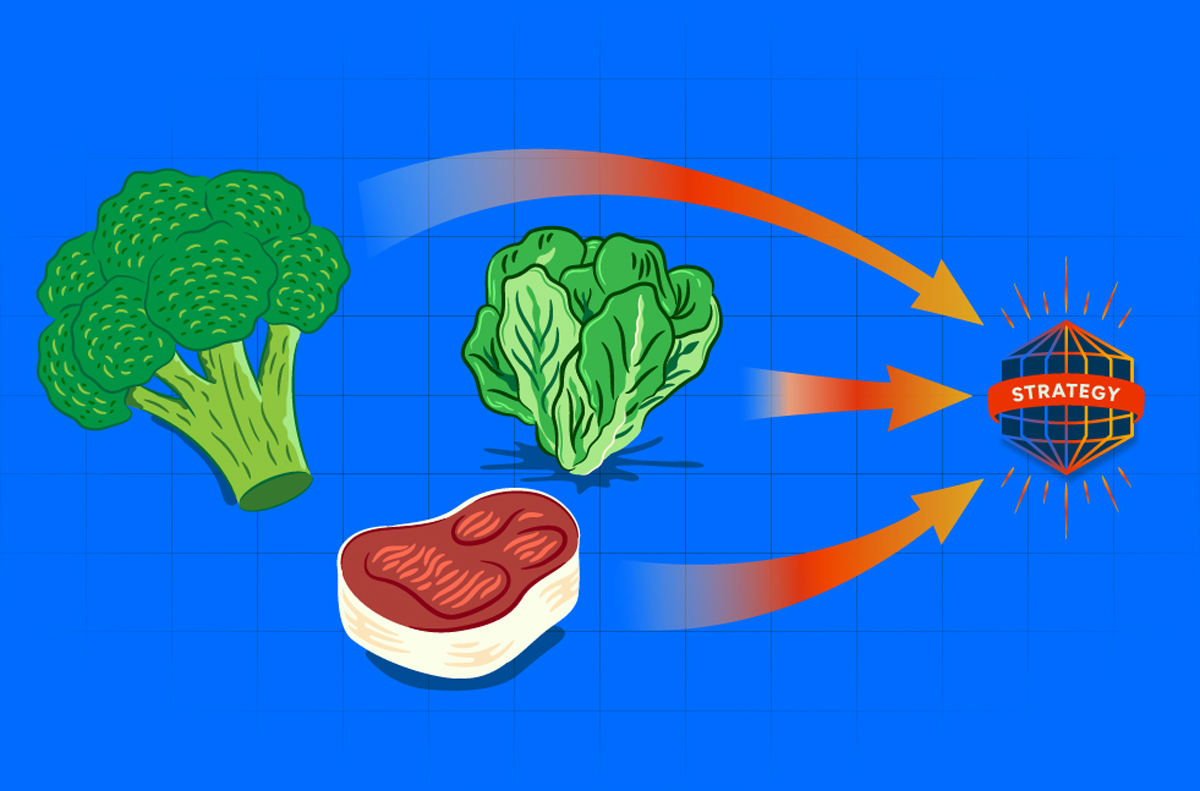

How can Fresh brands balance value, quality, execution and market complexity to drive sustainable growth?
Fresh is one of the most complex areas of the store. Products, shelf sets and availability are constantly changing, private label continues to gain share and supply variables such as weather and seasonality sit outside a brand’s control. Winning in the category requires a team that understands both the selling environment and the processes behind it.
Nathan Nixon, vice president of corporate strategy – Fresh at Schraad Sales & Marketing, discusses what it takes for Fresh brands to win today.
What makes the Fresh category uniquely complex compared with center store?
For us, Fresh encompasses meat, seafood, produce, deli and bakery. Merchandising these categories can be more complicated than center store because products, shelf sets and availability are constantly changing. Fresh brands also face operational complexities involving deductions, invoicing and retailer-specific administrative requirements. Successfully navigating the category requires a team that understands both the selling environment and the processes behind it.
What are some of the greatest challenges Fresh brands are facing today?
The continued growth of private label is creating significant pressure for branded products. After several years of inflation, consumers are watching their spending closely and, in many cases, trading down to lower-priced alternatives.
Fresh brands must also account for supply variables that are outside their control. Weather, seasonality and farming practices can all affect product availability and create shortages at retail. Brands need to understand these pressures and be prepared to respond quickly when market conditions change.
What ultimately influences whether consumers repeatedly purchase a Fresh product?
Consumers may be drawn to clean ingredients, responsible farming practices or other better-for-you attributes, but those qualities alone do not guarantee repeat purchases. The product still needs to taste better than the competition and be offered at a price that feels reasonable.
The greatest opportunity lies in finding the right balance: a cleaner product that delivers superior taste at a price that gives consumers a clear sense of value. When a brand can achieve all three, it is much better positioned to win.
Why are strong retailer relationships so important to a Fresh brand’s growth?
Relationships provide brands with access to better conversations and a deeper understanding of what matters to each retailer. We invest in the programs that are important to our retail partners, learn their priorities and bring that information back to our clients.
That insight allows us to develop stronger, more relevant approaches for each retailer. Ultimately, consistent access and communication can create new opportunities and help drive our clients’ businesses forward.

What should brands understand about navigating wholesale markets?
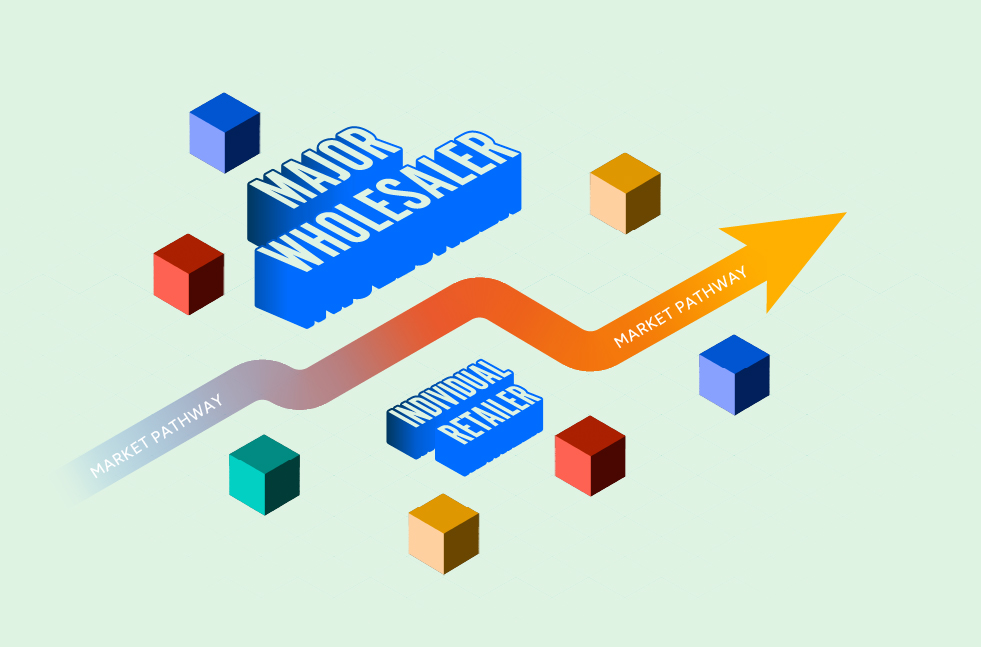
The wholesale landscape is highly complex. There are warehouses across the country serving large numbers of independent retailers, and it can be difficult for a brand to understand how to enter and operate within those networks.
We help clients understand the market structure, the cost of entry and how to work effectively with wholesalers throughout the central United States. That market-level expertise is especially valuable for brands that are unfamiliar with wholesale customers or the independent retailers they serve.
What makes a client partnership successful in such a complex environment?
Successful partnerships require consistency, clear direction and a willingness to listen. They also require both teams to evaluate the available information, make informed decisions and address issues clearly when they arise. That level of communication creates trust and supports a stronger long-term partnership.
Looking ahead, which capabilities will be most important for driving growth in Fresh?
Technology and data intelligence will become increasingly important. Technology is evolving every day, and companies that do not continue investing can fall behind quickly. AI is also beginning to influence the industry and will change how teams analyze information and make decisions.
Schraad has consistently invested in technology, from tablets in the field to Power BI and other business intelligence tools. We are pairing those capabilities with deeper category specialization as we expand our meat and seafood business and build upon our strong produce presence. This combination will allow us to scale our clients’ businesses and create stronger partnerships with retailers.
About the Expert

Nathan Nixon is vice president of corporate strategy – Fresh at Schraad Sales & Marketing, where he leads the development of complex growth strategies for brands across produce, meat, seafood, deli and bakery.
Working at the intersection of sales, strategy, data, technology and AI, Nathan specializes in building scalable growth solutions for Fresh. His work spans go-to-market strategy, business development, customer and wholesaler expansion, trade and promotional planning, analytics, market development and the systems that help sales teams plan and execute more effectively.
Nathan’s approach is shaped by the unique complexity of Fresh, where perishability, supply volatility, regional market dynamics, wholesaler networks and in-store execution can all influence growth. He also applies AI-driven solutions to support executive decision-making, accelerate presentation development, improve information sharing and solve complex business challenges with internal and external leadership teams.
Nathan helps shape Schraad’s broader Fresh strategy, including its expansion in meat and seafood and continued investment in analytics, technology, AI and next-generation sales capabilities. He began his career in the Texas grocery industry while attending The University of Texas at San Antonio.
