
A year ago, Dan Shaul told The Shelby Report that Missouri grocers were “pretty much like the rest of the country, in that we’re a little nervous.” Today he describes an industry still cautious, but an independent sector that has regained some footing.
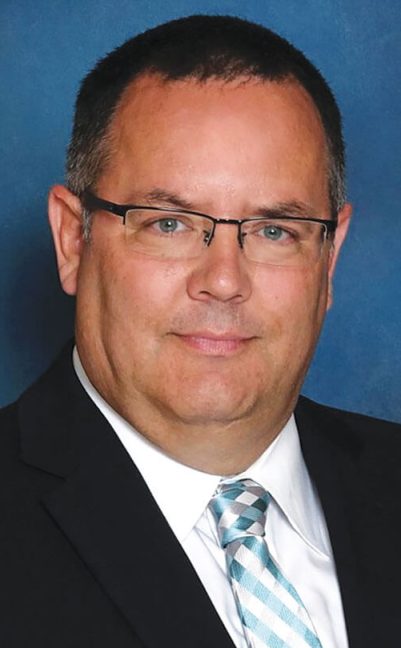
“The independent grocery sector is resilient, and I would say it is more optimistic than it was about a year ago,” said Shaul, president and CEO of the Midwest Retail and Grocery Alliance. “Inflation has stabilized somewhat compared with 2023 and early 2024, and we have seen consumers adjust their shopping habits.”
That outlook comes in a year stacked with variables. Missouri’s minimum wage rose to $15 on Jan. 1. Voters decide Amendment 5 on Aug. 4, which would direct lawmakers to phase out the state individual income tax and let them expand sales and use taxes to replace the revenue. And the state’s Healthy SNAP restrictions, once set for October, now take effect Feb. 15.
Shaul responded to questions from The Shelby Report on labor costs, tax policy, cross-border shopping and MRGA’s first year.
You told The Shelby Report last September that Missouri grocers were “a little nervous” – not horrible, but unsure. Where would you put that feeling today and what has changed?
From my perspective, the grocery industry as a whole is still cautious in its general business practices, like most industries. There are several unknown factors stemming from federal and state policies, as well as economic impacts from rising oil prices. The conflict with Iran has been the latest unknown in an ever-changing political environment.
[And] grocers continue to face uncertainty amid rising labor costs, supply chain disruptions, shifting consumer preferences and intensifying competition from multiple directions.Missouri’s minimum wage went to $15 on Jan. 1, after the legislature repealed the inflation escalator and statewide paid sick leave. How did stores absorb that, and what is the single biggest cost pressure on a Missouri independent right now?
Unfortunately, labor increases are inevitable, and many grocers had planned for the increase by gradually adjusting wages over several years. That does not mean that the impact was insignificant.
Labor is one of the largest operating expenses for the grocery industry, and a minimum wage increase affects more than just entry-level positions.
The silver lining is that we, as an organization, were successful during the 2025 legislative session in overturning the mandatory sick leave and the annual inflation-based increase. If we had been unsuccessful, I am afraid this would have been a much more grim conversation.
The biggest pressure on independent grocers at this point remains finding and retaining qualified employees and remaining competitive in the labor market. Utility costs and operational expenses, such as insurance, continue to rise, which also has a lasting impact.
Amendment 5 goes to voters Aug. 4. If it passes, lawmakers get five years to redefine what the sales tax covers. Gov. [Mike] Kehoe has said agriculture and real estate would be exempt, but he hasn’t addressed food. Does MGA have a position, and what would an expanded sales tax base mean for grocers?
MRGA has not taken a formal position on Amendment 5. Our main focus is ensuring that food remains affordable for Missouri families and that any future tax policy changes are carefully evaluated for their impact on consumers and businesses alike. We strongly encourage a thorough review of how any changes in expanding taxable items would affect households.
Sen. Mary Elizabeth Coleman’s push to end the state and local grocery sales tax stalled again this session against opposition from cities and counties. Where does MGA stand on repeal, and do you expect it back in 2027?
This topic has appeared over the last several years. We have generally remained neutral.
While we support the idea of consumers keeping more of their money and stretching it further on items their families need, we also don’t want to see local services that rely on these taxes, such as schools and emergency personnel, feel the burden and negatively impact their communities.
Missouri’s tax system is very complex, and over the last several years, the legislature has enacted several tax cuts across various areas, to the point that the state is now facing a deficit. How much more can a state cut without causing major implications and disruptions?
I do anticipate this topic to be reintroduced in 2027.
The Healthy SNAP waiver moved to Feb. 15, 2027, with revised definitions. You’ve said retailers need more detailed guidance to implement it consistently. Has that guidance arrived? What will stores have to build or change, and who absorbs that cost?
This is another inevitable topic, and independent grocers are learning to adapt. The MRGA has had a seat at the table from the very beginning of this conversation, and we appreciate the Department of Social Services’ efforts to engage with the stakeholders throughout this process.
We have made it very clear that the retailers need a list of items. Otherwise, grocers would be held responsible for which items are SNAP-eligible, which would create inconsistency and mass confusion among SNAP recipients.
We have watched what other states have done, seen what has worked and what hasn’t, and had active discussions with the department on these fronts. The original implementation was set for Oct. 1. We applaud the department’s decision to roll back implementation and to allow more time to get this right.
You’ve said you expect the waiver to push some shoppers across state lines. Kansas restrictions start in February 2027, and Illinois hasn’t moved at all. How exposed are stores in the St. Louis and Kansas City markets, and along the Arkansas and Iowa borders?
Cross-border shopping is always a consideration when states adopt different policies. Illinois remains a significant variable because consumers in the St. Louis region can easily shop on either side of the river. Similar dynamics exist in communities near Iowa and Arkansas.
That said, convenience remains a powerful factor. Most customers still prefer to shop close to home. We expect some shifts in purchasing in border markets, but the extent of those changes will depend on the final rules, consumer awareness and how neighboring states approach similar policies in the future.
Missouri faces roughly $150 million in state SNAP costs starting in 2027 if the payment error rate doesn’t come down. What’s the downstream effect on grocers if benefits or eligibility tighten?
SNAP plays an important role in helping families access food while also supporting local economies. If benefits are reduced or eligibility becomes more restrictive, retailers could see lower food purchasing activity, particularly in communities where SNAP participation is significant.
For independent grocers serving rural and underserved areas, any reduction in food assistance spending can have a disproportionate impact. We hope policymakers will continue working toward solutions that maintain program integrity while ensuring families have reliable access to nutritious food.
Independents are facing ownership transitions as longtime owners retire, and Schnucks is exiting self-distribution with its Bridgeton warehouse closing in March 2027. What do succession and distribution look like for Missouri independents over the next five years?
Succession planning is one of the most important issues facing independent grocers today. Many family-owned businesses are now in their second, third or even fourth generation. Some have clear succession plans in place, while others are exploring partnerships, acquisitions or employee ownership models.
On the distribution side, wholesalers continue to play a critical role in supporting independent retailers. We expect distribution networks to evolve, but independent grocers have proven remarkably adaptable. The key will be maintaining efficient supply chains while preserving the local ownership and community connections that make independent stores successful.
MRGA reaches its first anniversary in October, and the Ohio Grocers Association signed on for association management this summer. How has that first year measured up against what you expected, and do you anticipate other state associations following Ohio’s lead?
The first year has exceeded our expectations. Bringing together the Missouri Grocers Association and the Retail Grocers Association of Kansas and Missouri created a stronger regional voice for retailers, wholesalers and industry partners throughout the Midwest.
The addition of association management services for the Ohio Grocers Association demonstrates that our model can deliver value beyond our traditional membership footprint.
We believe there are opportunities to collaborate with other state associations in the future, particularly as organizations look for ways to expand services while managing costs. Every state is different, but there is growing interest in regional partnerships and shared resources.