
Tennessee grocery retailers were bracing for a major shift in how they administer federal SNAP benefits at the end of July, but relief came in the form of a July 2 letter from the Tennessee Department of Human Services saying that the “Healthy SNAP Tennessee” program would not be implemented.
Before that letter – which grew out of a June 22 U.S. District Court ruling that the SNAP waivers that had been granted in five particular states would have to be vacated – Tennessee grocers had been planning how to exclude sugary foods and carbonated beverages from being purchased with SNAP benefits beginning July 31.

Rob Ikard, president and CEO of the Tennessee Grocers & Convenience Store Association, had grave concerns about how grocers would make the right decisions about which products would be included, as the state had not provided clear guidance or, even better, a data set of impacted products as neighboring Arkansas had purchased for its grocers.
Tennessee borders eight states (most in the nation), so grocers also were faced with the prospect of SNAP customers spending their benefits in neighboring states without the restrictions, such as Georgia or Mississippi.
That would have been added to the SNAP losses the state’s grocers already had endured for the past two summers, as $70 million in Summer EBT benefits to help feed school children on summer break were not funded. (The Tennessee General Assembly has, however, appropriated money to finance its portion of Summer EBT in 2027, he added.)
Although Ikard and his members were relieved they dodged the SNAP waiver gauntlet, there are more battles ahead.
ESTs real issue behind surveillance pricing concerns
Among the newer issues to hit the legislature this year was a push around what’s been labeled algorithmic, or surveillance, pricing. But Ikard said the bills weren’t really about pricing algorithms.
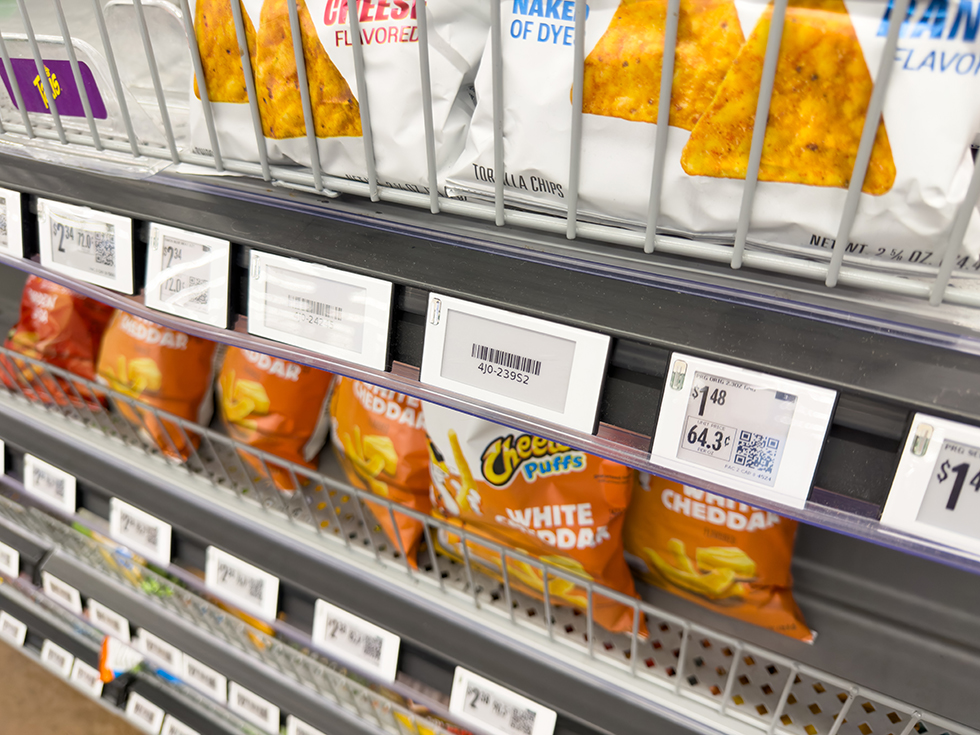
“There’s no example that we’ve been able to find of grocers engaging in that, but the way that it played out in the Tennessee legislature this year – there were a couple of bills on this – it became evident that this is not really about algorithmic pricing, it’s about electronic shelf tags, and these bills came from the grocery workers union.”
Labor, not consumer protection, was the motivating factor, he said.
“The real issue is that they don’t like electronic shelf tags. They would prefer that their union workers were out on the grocery floor all day long, changing price tags instead of letting grocers use technology for efficiency and lower costs.”
Ikard pointed to the myriad tasks that must be performed for a grocery store to run day to day, “and if they can operate with fewer workers, then that’s an area where they can offset higher grocery costs for customers.”
While TGCSA was expecting the issue to come up again in 2027, it already has surfaced in the capital city.
“Just today we learned about a local ordinance in Nashville on this subject,” Ikard said in June. “They’re very determined to tie retailers’ hands when it comes to using this technology, so it’s something that we’re going to have to deal with.”
Food ingredient bills an ongoing fight
Ikard also pointed to a steady stream of legislation targeting food ingredients, much of it aimed at school systems.
“That’s just going to be an ongoing fight. We’re doing everything we can to prevent Tennessee from contributing to the growing patchwork quilt of different state rules and regulations when it comes to food ingredients.”
The challenge, he said, is where those bills land procedurally. They go through education committees, which are focused on protecting children, which is certainly important, but they “don’t really care about food manufacturing issues or commerce, so it’s been hard to counter those measures in that forum.
“We know we’re going to have to deal with it again in 2027, and we are contemplating ways that we can at least get the legislature to look at it from the business perspective.”
Ikard argued the issue is best handled at the federal level.
“There are a whole lot of impacts to these bills that go beyond keeping certain food additives out of school lunches, and our position has been that these issues are being sorted out at the national level, where it should be, and that Tennessee shouldn’t complicate [things],” Ikard said. “We have a national food system, and it needs a national solution.”
Credit card swipe fees – a ‘perennial’ priority
A longer-running priority for the association is legislation targeting credit card swipe fee reform.
A couple of states have moved the issue further along, but Colorado’s governor vetoed the measure, and while Illinois actually passed reforms, “opponents have tied it up in the courts,” he said.
“We’ve made huge progress on the issue, and we’ll continue to cycle it in Tennessee, but it’s definitely a long-term effort.”
Related: Ikard: TN Grocers Relieved Healthy SNAP Waiver Halted