
Cairnspring Mills plans to open Blue Mountain Mill, a stone mill in Pendleton, Oregon, on Oct. 15.
The mill will bring regional grain and craft flour to bakers and food brands nationwide. The company said the mill is its biggest step yet toward rebuilding local food systems, allowing it to buy more grain directly from Pacific Northwest farmers at prices above the commodity market.
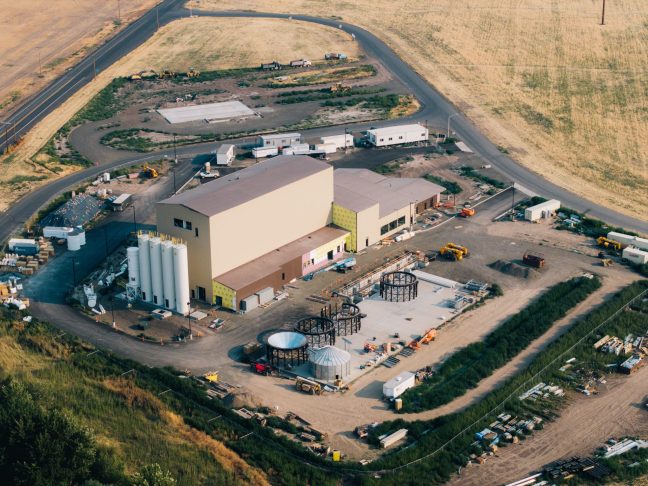
Cairnspring built the mill in partnership with the Confederated Tribes of the Umatilla Indian Reservation, which leased the site at Coyote Business Park to the company for 50 years and invested $5 million in Cairnspring – the Tribes’ first equity stake in a private company. The mill sits on tribal land at the base of the Blue Mountains.
“Flour has been treated as a commodity for so long that it’s easy to forget how much the grain, healthy soil, the farmer and the milling process matter,” said Kevin Morse, co-founder and CEO of Cairnspring Mills. “Blue Mountain Mill is an example of what I call the remarkable middle infrastructure we’ve been working toward: a human-scale mill and model that serves real markets, supports farmers and keeps value in the community where the grain is grown and processed.”
Capacity for national customers
The 27,000-square-foot mill will begin commercial production in November. At full speed, it will raise Cairnspring’s annual milling capacity from about 8 million pounds to more than 115 million pounds, producing Cairnspring flour and milling for regional and national customers that sell flour under their own labels.
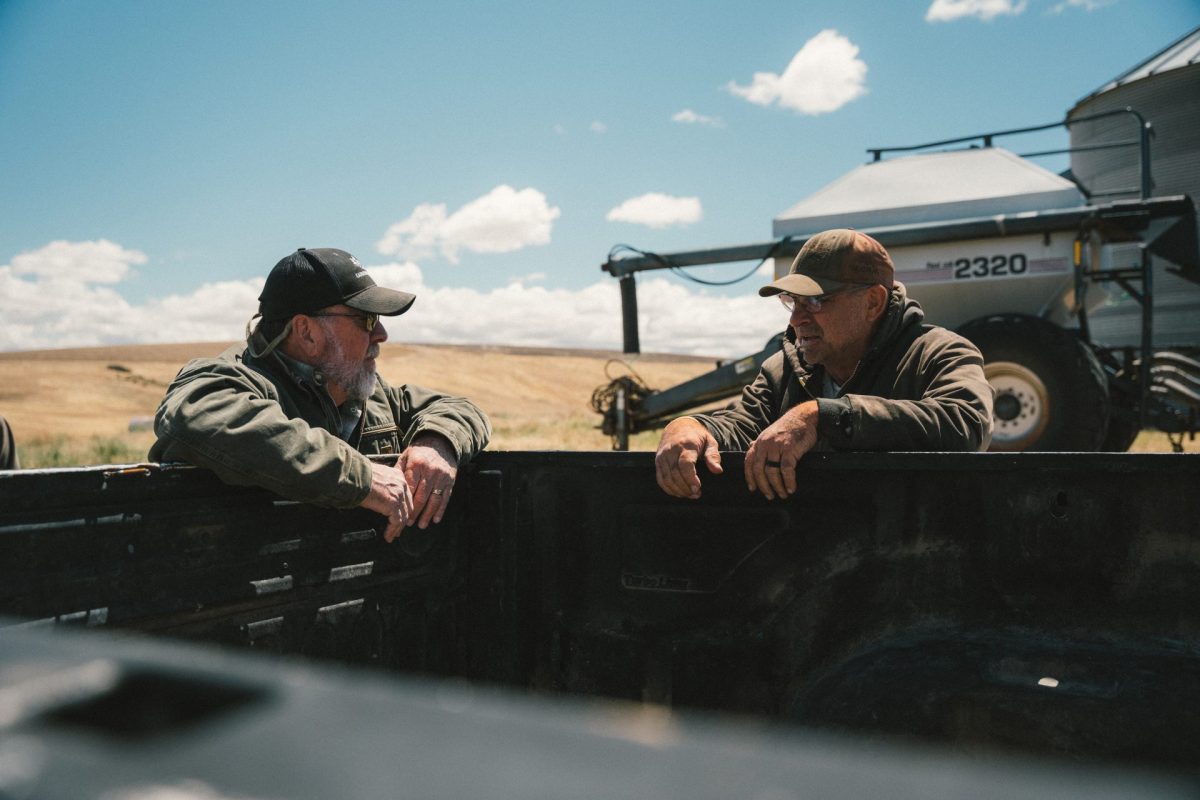
Cairnspring will continue buying grain directly from farmers committed to soil health and, at full capacity, will source wheat from about 60,000 acres. The company said the added volume will generate more than $22 million a year for farmers and create more than 22 local living-wage jobs.
Blue Mountain pairs traditional stone milling with modern blending and quality controls and is designed for high-volume hard red wheat shipped by the truckload. That frees the original mill in Burlington, Washington, opened a decade ago through a public-private partnership with the Port of Skagit, to focus on unique grain varieties for bakers seeking specialty flours and to serve as Cairnspring’s center for innovation.
“Wheat is king in Umatilla County, but for generations most of its value has left with the grain,” said Bill Tovey, director of the CTUIR department of economic and community development. “This mill changes that. It brings value-added agriculture home, creates local jobs and gives the Tribes ownership in a growing company that can benefit our people and our neighbors for decades to come.”
Financing and regenerative goals

The project was financed by a coalition that included Steward, Native American Bank, Mission Driven Finance, eight Native community development financial institutions, the USDA, the state of Oregon and mission-aligned and community investors. The financing also drew on New Markets Tax Credits and an EB-5 investment the company said is one of the first uses of the federal rural jobs program for a food processing business.
Earlier this year, Cairnspring became what it said is the first flour company to earn The Climate Label certification and the first to become Certified Regenerative by A Greener World. Growers in its network have enrolled more than 44,000 acres in AGW certification, with more than 100,000 projected by the end of 2027. The company aims to ultimately have all conventionally grown grain in its supply certified regenerative.
Blue Mountain is the second mill in Cairnspring’s network, with future sites under consideration in Maryland and Colorado.
Founded in Washington’s Skagit Valley in 2016, Cairnspring Mills partners directly with Pacific Northwest growers using regenerative practices. Every lot of grain is identity-preserved and stone-milled to incorporate the bran and germ.