
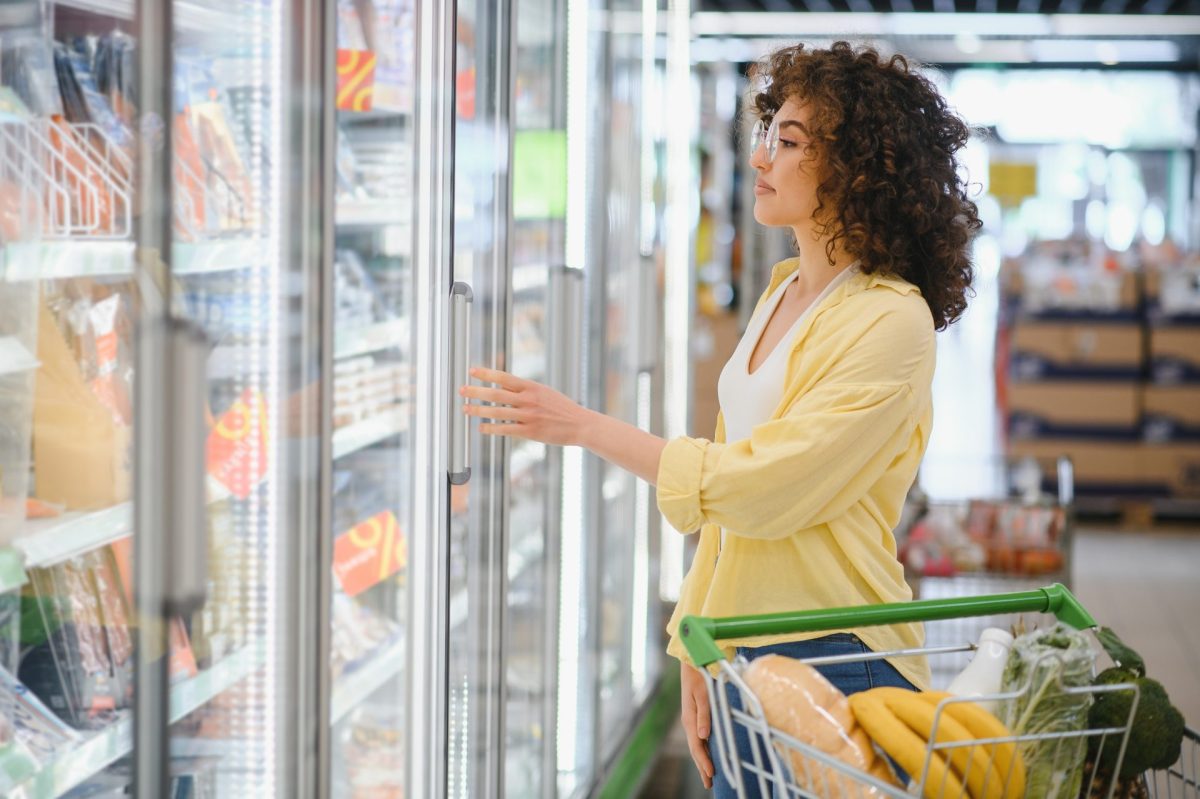
Consumers using GLP-1 medications are bringing new expectations to the grocery store, creating opportunities across frozen and refrigerated categories for products that deliver protein, portion control, nutrition and convenience, according to new research from the National Frozen & Refrigerated Foods Association.
Rather than simply buying less, GLP-1 users appear to be reshaping what they purchase and why, the research found, with shoppers becoming more intentional about food choices and placing greater emphasis on satisfaction, nutritional value and convenience.
“GLP-1 users are changing more than what they eat. They’re changing what they expect from food,” said Tricia Greyshock, president and CEO of NFRA. “As consumers become more selective, products that clearly appeal to health, convenience and lifestyle needs will have an advantage. Frozen and refrigerated foods are well positioned to play a larger role in that shift.”
Key findings
The poll, conducted by Morning Consult June 25-27 among 2,003 U.S. adults, including 241 current GLP-1 users, found:
- More than half (52 percent) of GLP-1 users report purchasing more high-protein dairy products, while 48 percent say they are buying more single-serve or portion-controlled foods. Purchases also are increasing for protein drinks (43 percent), frozen proteins (42 percent), soups and lighter meals (41 percent) and frozen vegetables (40 percent).
- Despite shopping more selectively, 44 percent are spending more per grocery trip and 41 percent are increasing overall grocery spending, while impulse purchases are declining.
- When choosing frozen and refrigerated foods, GLP-1 users place greater importance than consumers overall on feeling full and satisfied (84 percent), high protein (81 percent), lower sugar (79 percent), digestive ease (79 percent), fiber (75 percent) and gut health (75 percent).
- Among current users, 42 percent say frozen and refrigerated foods help them control portions, 37 percent say the foods help them get fruits, vegetables or fiber more easily, and 37 percent say they help avoid wasting fresh food. More than one-third use them as smaller meals when a full meal isn’t wanted.
- GLP-1 users say simple ingredient lists, high-protein claims, high-fiber messaging and clear calorie and serving-size information are among the most valuable package cues, with “GLP-1-friendly” messaging most effective when paired with concrete nutritional benefits.
For manufacturers, NFRA said the findings point to opportunities in products that deliver protein, fiber and portion-friendly nutrition without sacrificing taste or convenience. For retailers and wholesalers, opportunities include highlighting protein-forward solutions, improving merchandising around portion-controlled options and creating meal-solution displays that connect complementary products.
NFRA noted that results among GLP-1 users have a margin of error of plus or minus 6 percentage points.