
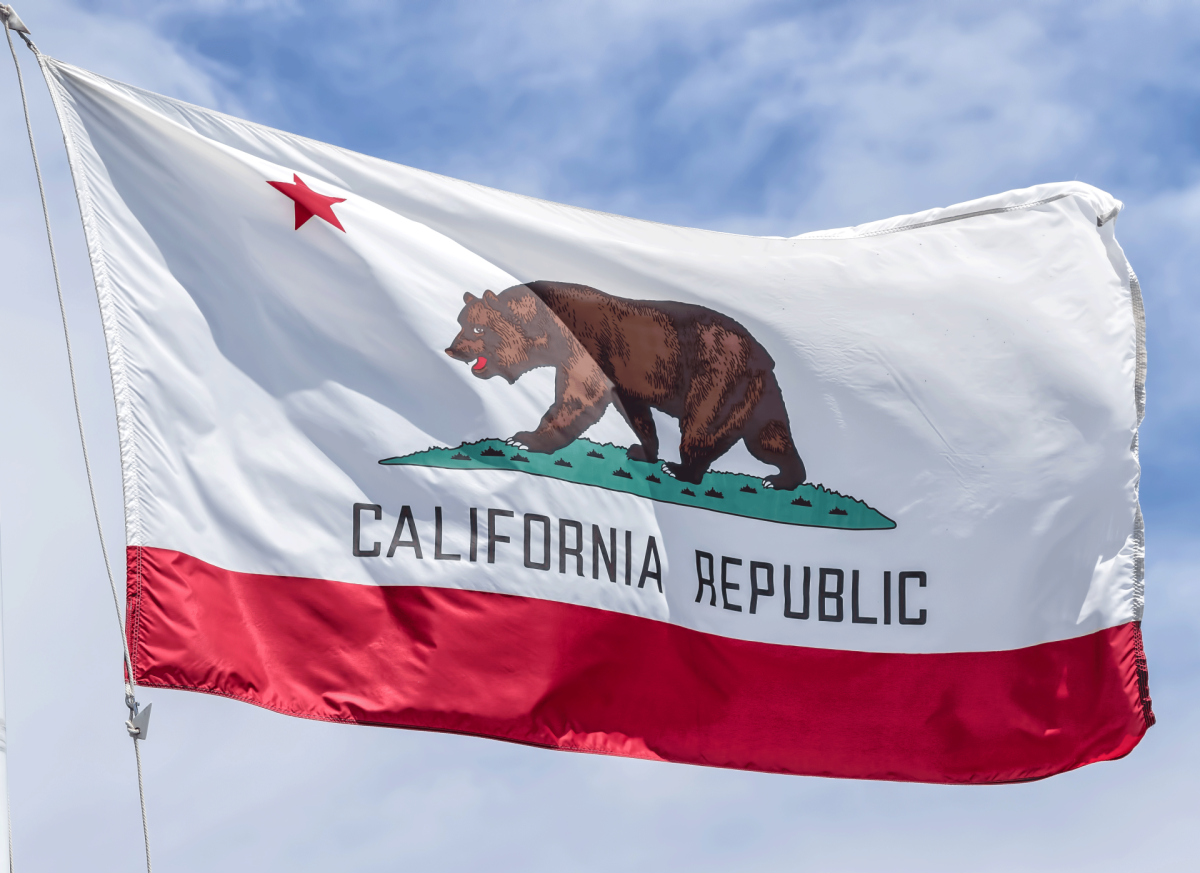
The California Legislature has passed a bill that would create a state-certified “non-ultra-processed” food label and require large grocery stores to highlight certified products in-store. The measure has been passed along to Gov. Gavin Newsom for his signature. He has until Sept. 30 to sign.
Assembly Bill 2244, authored by Assemblymember Jesse Gabriel, D-Encino, would establish a state certification program for products that are not classified as ultra-processed under state law, creating a standardized seal reading “Non-Ultraprocessed Certified.” Products containing additives such as dyes, flavor enhancers, non-sugar sweeteners and certain processing aids would not qualify.
Of particular note for retailers, the bill would require grocery stores that sell more than 25 individual non-UPF-certified product types and generate more than $10 million in annual sales to display certified products in a way that is easy for consumers to identify, such as through special signage or physical separation within the store.
“Parents shouldn’t need a Ph.D. in chemistry to understand what they’re feeding their kids,” Gabriel said. “AB 2244 will empower consumers with clear, trustworthy information and make it easier for them to locate healthier foods that are free from harmful additives. This new seal doesn’t limit consumer choice, it just makes informed choice possible.”
How certification would work
If signed, the California Department of Public Health would oversee independent certification of qualifying products by approved third-party agents, which the department would be directed to accredit no later than June 1, 2029. Products would require recertification at least every three years.
The bill includes oversight provisions:
- Certification agents must register with the state and disclose all certified products;
- The state can audit certification records at any time and would maintain a public online list of certified products; and
- Misuse of the label would be subject to enforcement.
AB 2244 builds on Gabriel’s AB 1264, signed last October, which established the first U.S. legal definition of ultra-processed foods and set a phased removal of “UPFs of concern” from California K-12 public schools by 2032.
The Environmental Working Group cosponsored the bill. “This is about setting a higher bar for what we consider healthy food and helping consumers make wise choices,” said Bernadette Del Chiaro, SVP for California for EWG. Supporters point to research associating diets high in ultra-processed foods with health conditions including cardiovascular disease and Type 2 diabetes.
Industry pushback on UPF definitions
The bill advances as the FDA and USDA work toward a federally recognized uniform definition of ultra-processed foods, an effort the packaged food industry has sharply criticized. In an Aug. 10 statement on the federal definition, Rhonda Bentz, EVP of public affairs for the Consumer Brands Association, said any definition capturing a broad swath of the food supply “lacks a sound scientific foundation” and warned it would create consumer confusion and increase grocery costs.
“America’s packaged food supply is safe and has been a staple in American households for decades,” Bentz said, adding that “any so-called definition that captures nearly 80 percent of the nation’s food supply while picking winners and losers is fundamentally flawed, not based on sound science and politically motivated.”
California’s separate push raises the prospect of differing state and federal standards for manufacturers and retailers navigating labeling requirements.
Leave a comment