
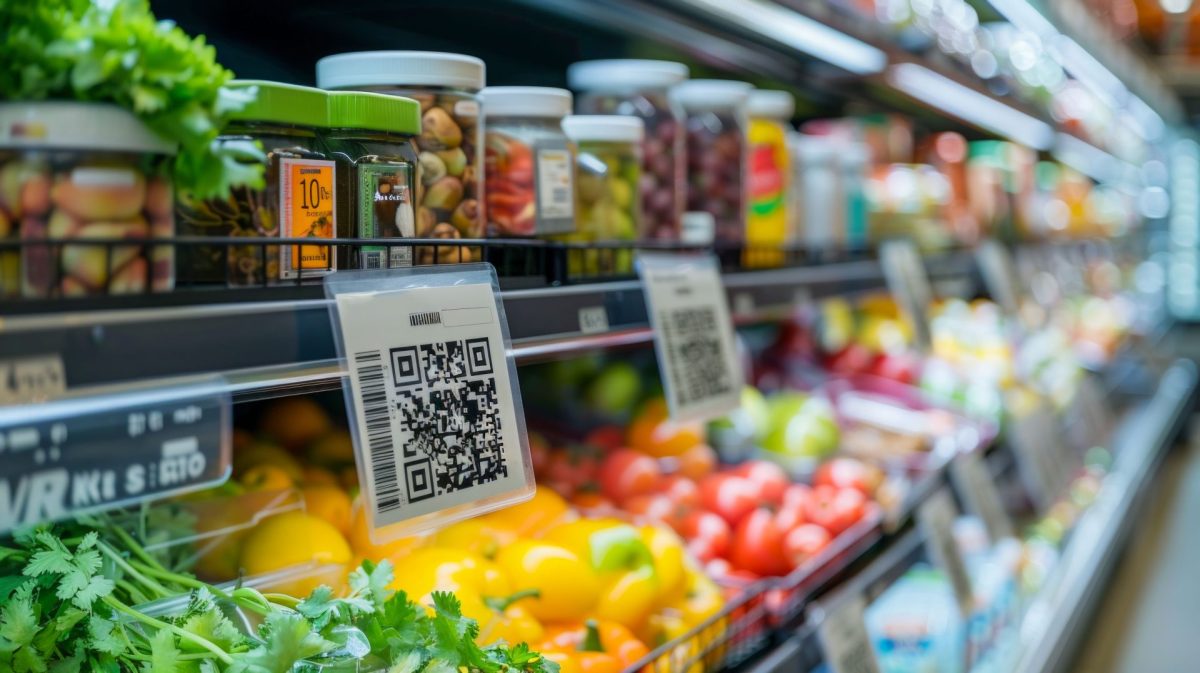
New Jersey Gov. Mikie Sherrill signed the Fair Price Protection Act on July 23, barring retailers from using shoppers’ personal data to set individualized prices and imposing a one-year moratorium on new electronic shelf label deployments – a provision the National Grocers Association had asked her to strike.
The law prohibits businesses from using online activity, location, purchase history or other collected data to charge different prices for identical products based on what an algorithm predicts a shopper will pay.
It does not ban loyalty programs or discounts, and stores may continue using, repairing and replacing existing electronic shelf labels while the New Jersey Innovation Authority studies the technology.
“The last thing they need is companies secretly using their personal data to charge them more than someone else for the exact same product,” Sherrill said of New Jersey consumers. “If businesses want to compete, they should do so by offering better prices, not by finding new ways to squeeze shoppers.”
Attorney General Jennifer Davenport said her office will enforce the law, adding that grocery prices should reflect product cost rather than what data collection suggests a shopper will pay.
NGA sought changes that did not make it in
In a July 17 letter to Sherrill, NGA urged targeted changes to the bill, which the Legislature passed June 30. The association asked for clarification on discounts and promotions, better transparency around delivery fees and pricing disclosures and removal of the ESL moratorium. It opposed the measure in its current form absent those revisions.
“As currently drafted, A4085 would create significant unintended consequences for independent grocery retailers and ultimately make it more difficult to keep food affordable for New Jersey families,” the letter said.
Macy Lemon, VP of state government affairs at NGA, said the bill addresses practices that do not reflect how independent grocers operate.
“Independent grocers do not use algorithmic or surge pricing to raise prices,” Lemon said. “They rely on traditional cost-based pricing, competitive promotions, loyalty programs and markdowns to deliver value and help customers stretch their grocery budgets.”
Lemon said the measure restricts technologies that improve pricing accuracy, reduce labor costs, minimize food waste and allow grocers to apply discounts quickly, describing ESLs as efficiency tools rather than surge pricing mechanisms.
Union backed the shelf label pause
The United Food and Commercial Workers supported the moratorium and framed it as a model for other states.
“As large grocery chains across the country rush to outfit their stores with this technology, we commend New Jersey lawmakers for their leadership on this issue,” said Ademola Oyefeso, international VP at UFCW. “We hope this law will serve as a catalyst for states across the country to shield shoppers from AI-driven predatory pricing.”
State Sen. Joe Cryan, a sponsor, described surveillance pricing as the use of artificial intelligence to set different prices for different customers. The New Jersey Institute for Social Justice and New Jersey Citizen Action also backed the bill.
The law follows Sherrill’s earlier actions on junk fees and algorithmic rent-setting.
Washington, D.C.-based NGA represents retail and wholesale community grocers in a sector generating more than $557.5 billion in annual economic activity.