
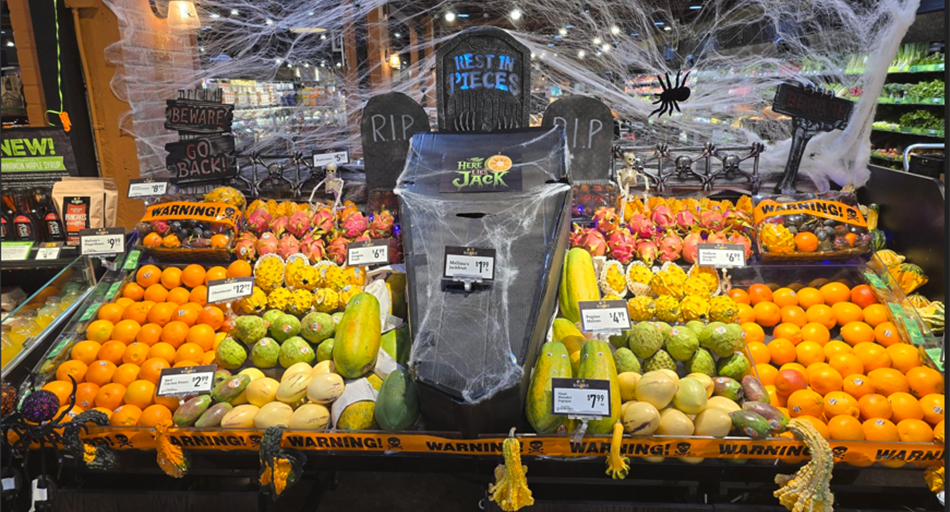
Fall is one of the strongest storytelling seasons in the produce department. As shoppers move from summer routines into cooler-weather meals, tailgates, Halloween, Thanksgiving and holiday entertaining, retailers can reset the department with color, abundance, local harvest messaging and simple meal solutions.
A successful fall program should do three things well: feature fall fruits, highlight fall vegetables and connect the full department with cross-merchandising, signage and timely seasonal resets that are easy for teams to execute and customers to shop.
Apples, pears as anchors
New-crop apples and pears should anchor the fall fruit set through local harvest, regional varieties or Washington state fruit. Build abundant displays in high-traffic areas and use simple variety callouts so shoppers know which apples are best for snacking, baking and salads.
Promote pears as an easy upgrade for lunchboxes, cheese boards, salads and holiday entertaining.
Cranberries have a short seasonal window, so make the most of them while fresh supply is available. Support them with ad placement, secondary displays and holiday meal messaging. Position cranberries near oranges, baking items, nuts and salad ingredients to encourage sauce, relish, baking and entertaining purchases.
Retailer tip: Near the end of the fresh season, buy confidently when quality and price support it, then transition shoppers to frozen cranberries to extend the seasonal story.
Information, please
Specialty fall fruits such as persimmons, pomegranates and figs are traffic-builders, but many shoppers need usage cues. Keep them near premium fruit, cheese and entertaining displays and use vendor point-of-sale materials to explain flavor, ripeness, storage and serving ideas.
Citrus starts building momentum during fall. Easy-peel mandarins are a core item because they fit lunchboxes and snacking and grab-and-go needs. As varieties become available, feature them with signage so shoppers understand what’s new and why they should try it.
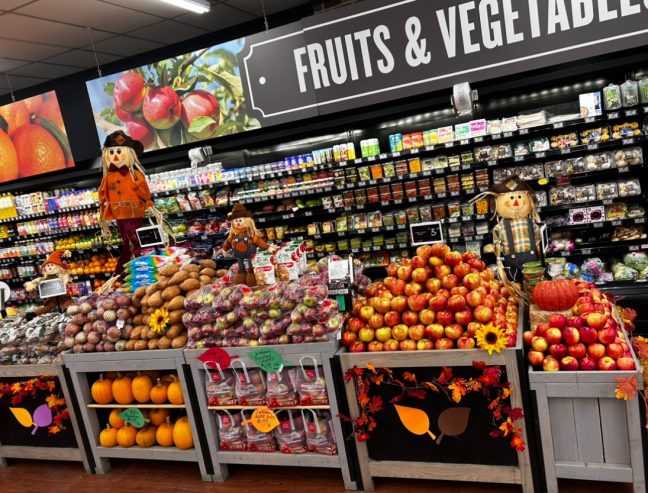
Eye-catching squash
Winter squash is one of fall’s best visual merchandising opportunities. Build displays with multiple shapes, sizes and textures, including butternut, acorn, spaghetti, delicata, buttercup, carnival and turban squash (when available).
A mixed-variety display creates color, discovery and a reason to buy more than one type.
Retailer tip: Add cooking prompts such as “great for roasting,” “easy soup starter” or “sheet-pan side dish.” Pair squash with pumpkins, fall décor, olive oil, herbs, broth, sausage and soup mixes.
Root vegetables can be challenging because many share similar earth-tone colors. Use variety and contrast to keep the set appealing. Sweet potatoes, red garnet yams, golden beets, rainbow carrots, parsnips, rutabagas, turnips and onions can create a stronger color block.
Cooler weather brings renewed demand for brassicas, especially Brussels sprouts, kale, cauliflower and cabbage. Stay in stock on bulk and value-added options so shoppers can choose between them.
Chopped kale, slaws, florets and vegetable medleys help busy households add produce to weeknight meals and holiday menus. Retailer tip: Keep promotional plans flexible during fall transition periods so stores can pivot from large displays to smaller, higher-quality features if supply or quality shifts.
Sweet potatoes, potatoes, onions, garlic and leeks are essential fall basket builders for soups, casseroles, roasts, holiday sides and comfort-food meals. Place these items near meal-building displays rather than treating them only as pantry basics.
Full department merchandising tips
- Lead with seasonal color and abundance. Use apples, pears, pumpkins, squash and sweet potatoes as the seasonal foundation, then add green items like kale, Brussels sprouts, herbs and apple varieties to keep displays fresh and balanced.
- Make cross-merchandising practical. Mix in caramel apples, fresh cider, cut fruit, pre-cut vegetables, slaws, soup starters and roasting vegetables. Add tie-ins such as pie crusts, spices, nuts, broth, olive oil, stuffing mixes, dips and specialty cheeses so shoppers can complete the meal in one stop.
- Use signage to educate quickly. Keep signs short and helpful: “best for baking,” “great roasted,” “local harvest,” “limited season,” “easy lunchbox snack” or “pairs well with cheese.” Simple language gives shoppers confidence and helps move seasonal items faster.