
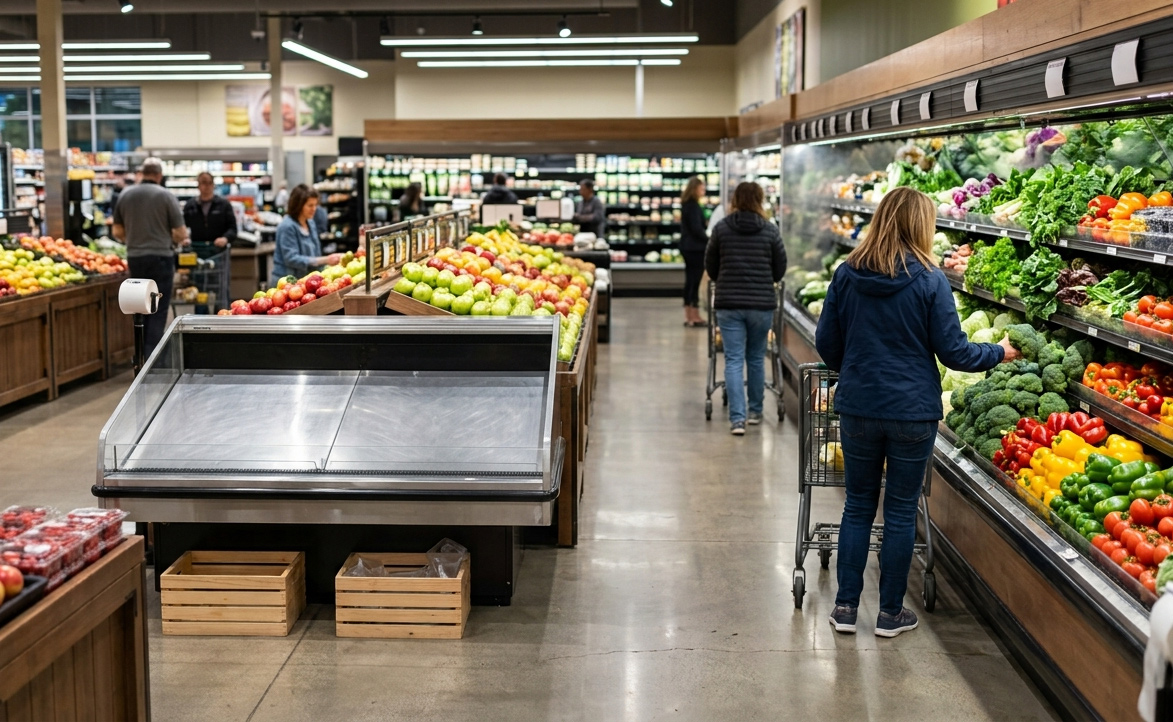
When a voluntary recall hits a grocery category, the store side moves fast: product gets pulled, quarantined and destroyed within hours. The back office does not keep pace, and that gap is where retailers quietly lose money, according to Shawn Lane, CEO of AP automation platform Ottimate.
“The first thing that breaks is the assumption that the invoice matches what’s actually on the shelf,” Lane said. In the first 48 hours, receiving logs, credit memos and disposal records begin diverging from the accounts payable ledger while purchase orders and invoices remain open for goods that no longer exist. Recall notices, replacement offers and destruction instructions arrive simultaneously, and most of that coordination happens over email and phone.
“Money is committed against product that’s been thrown away, and nobody has a clean, real-time reconciliation of what was ordered, what was received, what was destroyed, and what’s owed back as credit,” Lane said.
What finance sees after the shelves clear
In the weeks following a recall, finance teams face invoices for product that was never sold, delayed or missing credit memos for destroyed inventory, duplicate charges from rush replacement orders, and freight or restocking fees from secondary suppliers that map to no existing contract.
Perishables compound the problem because disposal happens before the paperwork catches up. A store may destroy product on day one while the vendor credit for that spoilage takes weeks to arrive, assuming anyone remembers to chase it. Lane said teams end up clawing back money owed while simultaneously paying out on emergency replenishment, and the two streams are easy to confuse. Without automation, he said, many legitimate recall credits are never recovered.
How double-billing happens
Double-billing during a recall is rarely fraud, Lane said. It is overlap. A buyer places an emergency replacement order, the original supplier ships a corrected batch, and a distributor fills goods against the standing purchase order. Three shipments and three invoices now exist for what was meant to be one restock, and under manual processing each invoice looks reasonable on its own.
Lane said AP teams should watch for several red flags: matching or near-matching line items across separate invoice numbers with the same SKU, quantity and delivery dates within a few days of each other; invoices from both the original vendor and a secondary supplier covering the same category in the same window; invoices referencing a purchase order already fully received; and round-number “replacement” invoices that do not tie back to a specific receiving event.
Missing credit memos are the quieter signal. “If product was destroyed but no corresponding credit ever posts, you’re effectively paying for the recalled goods and their replacement both,” Lane said. He also flagged the same dollar amount recurring under slightly different vendor names or remit-to addresses, common when a distributor and its subsidiary both bill.
Emergency spend and COGS accuracy
When a category manager buys from a secondary vendor to fill a shelf, the invoice typically arrives with no contract, no negotiated pricing and no coding history. A manual team either guesses the general ledger code or drops it into a catch-all account.
That miscoding carries real consequences, Lane said. If emergency spend lands in a miscellaneous bucket, the category’s true cost is understated, gross margin looks healthier than it is, and pricing and purchasing decisions get made on bad numbers.
He argued that control and speed need not be a trade-off. Capturing full line-item detail on every invoice at intake gives finance visibility into what is being paid, to whom and at what unit price relative to category norms, while approvals still clear quickly. Thresholds can flag unusually high spot-market prices for review without freezing the payment.
The margin cost of lag
Cost spikes from replacement product need to reach inventory and pricing systems quickly, Lane said, because the lag is where margin bleeds.
“If a replacement product costs 20 percent more than the recalled item but the shelf price still reflects the old cost, every unit sold during the lag is sold at a compressed or negative margin,” he said. In a high-volume, thin-margin category, days of that add up, and retailers often do not see the damage until month-end close, long after the product has sold through.
Getting true landed cost into the system quickly, he said, lets a merchant decide deliberately whether to hold price and absorb the increase or adjust, rather than losing margin by default.
Treating disruption as the operating environment
Retailers rehearse shelf resets and customer communication because those responses are visible. The financial exposure from a recall, Lane said, is just as real and far less managed.
“When you add up recalls, tariffs, and weather-driven supply shocks, disruption isn’t an exception anymore; it’s the operating environment,” he said. Each event triggers the same back-office scramble: emergency spend, duplicate invoices, unclaimed credits, miscoded costs.
For independent and regional grocers without large finance departments, Lane recommended starting with invoice capture and coding rather than replacing systems. That is the highest-volume, most error-prone task and where small teams lose the most hours. A lean operator typically sees a return within a few months, he said, mostly from time recovered plus caught duplicates and recovered vendor credits.
“The automation effectively acts as the extra set of hands they can’t afford to hire,” Lane said. “Start with capture and coding, prove the time savings, then extend into approvals and payments once the foundation is in place.”
Ottimate is an AI-powered accounts payable automation and payments platform serving businesses with high invoice volume across multiple locations. Lane was named CEO in March 2026.
Leave a comment