
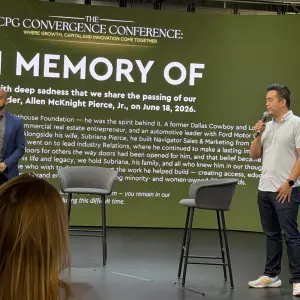
Editor’s note: The CPG Convergence Conference was dedicated to the memory of Navigator Lighthouse Foundation co-founder Allen Pierce, who died unexpectedly the week before the event. Read our remembrance here.
Getting a product onto a grocery shelf is hard. Keeping it there is harder.
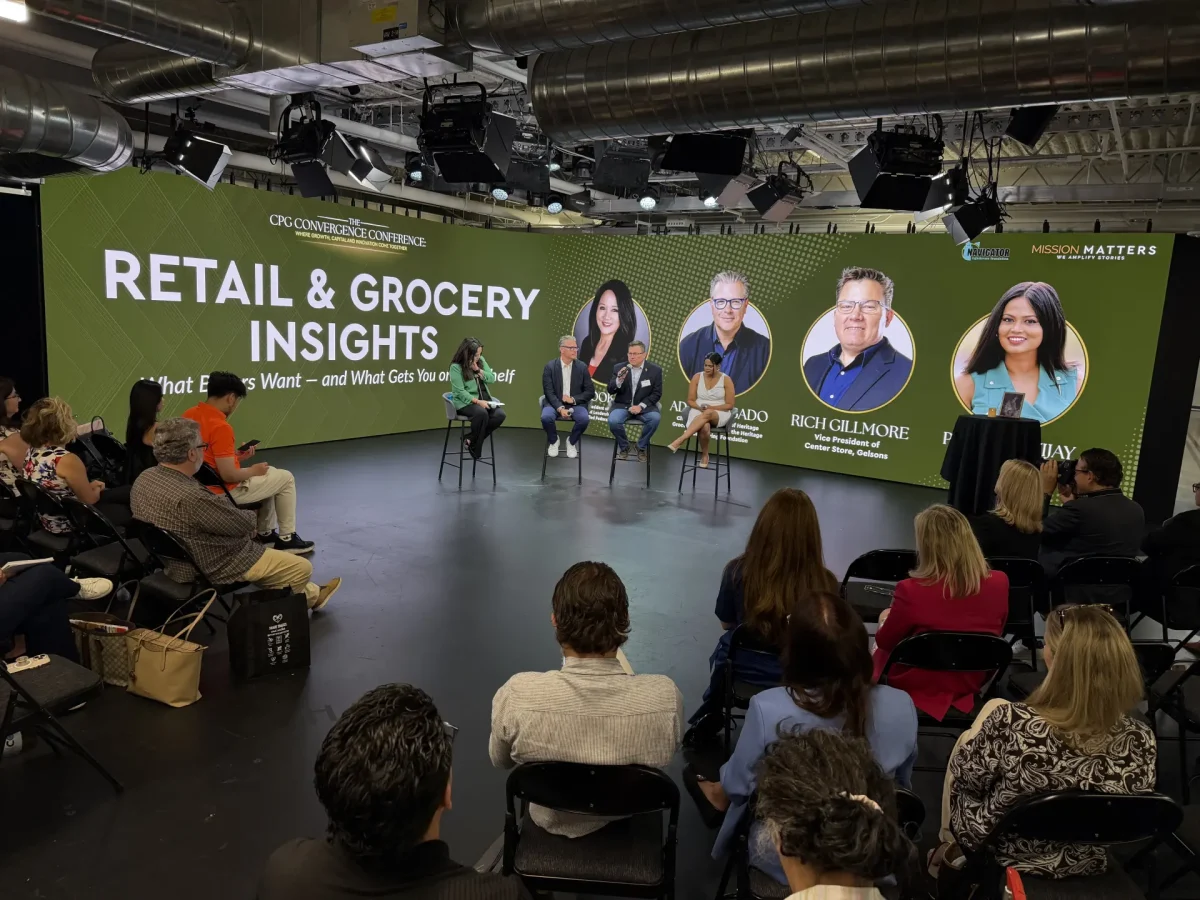
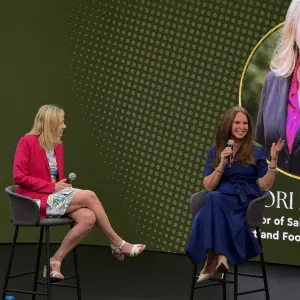
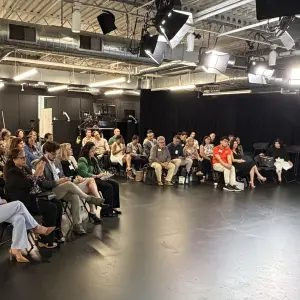
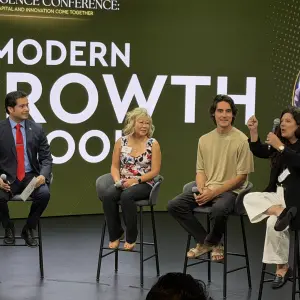
That was the throughline as a group of Southern California retail leaders took the stage at the CPG Convergence Conference, hosted June 25 by the Navigator Lighthouse Foundation and Mission Matters at Verizon’s 5G Labs in Playa Vista. HeeSook Alden, SVP of marketing, strategic growth and leadership development at Certified Federal Credit Union, moderated a panel on what buyers want, featuring Adam Salgado, chief experience officer of Heritage Grocers Group; Rich Gillmore, VP of center store at Gelson’s Markets; and Priyanka Vijay, director of sales at Keurig Dr Pepper.
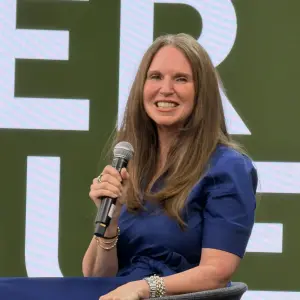
Earlier in the day, Kendra Doyel, president of Ralphs Grocery Company, covered much of the same ground in a fireside chat with Lori Brown, director of sales for the West and Central regions at Heartland Food Products Group.
Their collective message to the emerging brands in the room: Come ready, know your difference and be willing to listen.
Why you, and not the brand right behind you
Asked what he weighs first, Gillmore said the question never changes. “Why is yours better than all the other ones out there? Because no matter how unique your product is, there’s always somebody else right behind you trying to take your space,” he said. From there, he looks at whether a brand understands the shopper’s decision tree and where it fills a gap, and then at packaging.
Data can change his mind, but it has to be convincing. Gillmore recalled passing on GT Dave’s kombucha three times before the brand returned with proof that it was the top seller at Whole Foods. “OK, now I guess I need to bring it in,” he said.
Doyel framed the same idea from the largest banner in the room. When a new brand crosses her desk, she said, the test is whether there is a real need for it, whether it can survive and whether it is ready to deliver. Brands that arrive open to feedback, she added, tend to take off. “When brands have received that feedback, it skyrockets,” Doyel said. The ones that resist it, she noted, can stall.
Every square inch has to work
Packaging drew some of the sharpest advice. Gillmore reminded founders that the package has to do the selling once they leave the room. “You can’t be in 27 different grocery stores 24 hours a day,” he said.
Doyel made the case from an operator’s math. Her stores average 45,000 to 55,000 square feet and need to carry roughly 50,000 SKUs, she said, so every square inch has to earn its place. She also pointed to the growing weight customers put on sustainable packaging, recounting how her daughter called out a Simple Truth product wrapped in plastic and a cardboard box despite a “free from” label on the front. “The packaging matters,” Doyel said.
Data, relationships and a uniquely Southern California market
On whether data or relationships matter more, the panel landed on both. Gillmore, who said relationships are a constant theme of his, was blunt that sales still decide. “No matter how great of a relationship we have with you, if the product’s not selling, a decision has to be made,” he said.
Salgado said relationships can open a door that thin data cannot. A strong partnership, he noted, can earn a brand a trial it would not get on the numbers alone. Several panelists pointed to Southern California as an unusually collaborative market, where competitors stay on a first-name basis and show up for shared causes.
Supply chain, expectations and the long game
Doyel said the past several years taught her more about supply chain than she ever wanted to know, and that consistency is now a make-or-break. She wants confidence that a brand can deliver in every store, every day. “Trust but verify,” she said.
The panel agreed that many brands stumble on expectations. Salgado said too many arrive with a cute idea but no grasp of margin or where they fit in the shopper’s journey. Gillmore said founders rarely ask the one question they should: What does the retailer expect this product to do? A product that flies at a farmers market, he cautioned, may sell only a unit a day per store once it is on the shelf.
Vijay, speaking from the vendor side after more than 15 years in the industry, urged brands to understand a retailer’s priorities before pitching, whether that is margin expansion or household penetration, and to tie their plans to those goals. Winning shelf space is a marathon, not a sprint, she said, and a brand has to justify its space week after week. “Once you gain the space, you kind of have to justify it every day,” Vijay said.
Lead the category, not just the product
Category management surfaced as the discipline behind those decisions. Vijay described a category-first mindset, where a brand earns leadership by growing the whole category rather than only its own line, and warned that pricing assumptions do not hold forever, noting 12-packs of soda that once sold for $4.99 now run past $10.99.
Gillmore said the worst thing a category manager can do is cut at an arbitrary sales line. Doing so, he said, leaves a case full of vanilla ice cream and no room for the flavors and white-space items that drive incremental sales. Salgado called category management a close second to store-level execution in importance, because those choices shape how customers connect with the banner.
Gillmore closed with a line he credited to Doyel from their time together on the California Grocers Association board: “Let’s get comfortable being uncomfortable.” That, he said, is where growth happens.
Navigator Lighthouse Foundation (NLF) The CPG Convergence Conference
About the Navigator Lighthouse Foundation: Founded in 2020 by Subriana and Allen Pierce, the Navigator Lighthouse Foundation is a nonprofit that expands access for underrepresented and emerging entrepreneurs in the consumer packaged goods industry, connecting founders with education, mentorship and retail opportunities to help more women- and minority-owned brands reach store shelves.
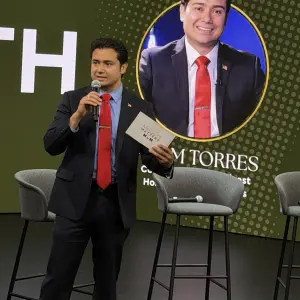
About Mission Matters: Co-founded by Adam Torres and Chirag Sagar, Mission Matters is a media platform that shares the stories of entrepreneurs, executives and experts through podcasts, interviews and live events. It co-hosted the CPG Convergence Conference with the Navigator Lighthouse Foundation.