
Grocery retailers are ready to invest in technology that can help them grow, but tight margins, labor shortages and rising costs are shaping every decision they make. That is the picture that emerges from the 2026 Exploring Grocery Technology Trends survey conducted by LOC Software in collaboration with The Shelby Report and PDG Insights.
More than 100 managers, directors and executive leaders responded to the survey, fielded in September and October 2025. Respondents ranged from small and mid-tier operators to chains with more than 100 stores, and they reported similar challenges.
About two-thirds of grocers (63 percent) named pricing, inflation and tight margins as the biggest challenge they face, followed by labor shortages and employee retention (57 percent) and rising operational costs (51 percent).
Those pressures carry into the back of the store, where 49 percent said labor shortages are their top inventory management challenge.
Where grocers are investing next
Grocers have made progress on their technology roadmaps. Online ordering and mobile apps lead adoption at 74 percent, followed by loyalty programs at 73 percent, self-checkout at 59 percent and home delivery integration at 58 percent.
The next wave looks different. The most common planned investment is artificial intelligence-driven product recommendations and personalized offers (28 percent), with electronic shelf labels close behind at 26 percent as grocers look to update prices faster while easing the load on stretched-thin staff.

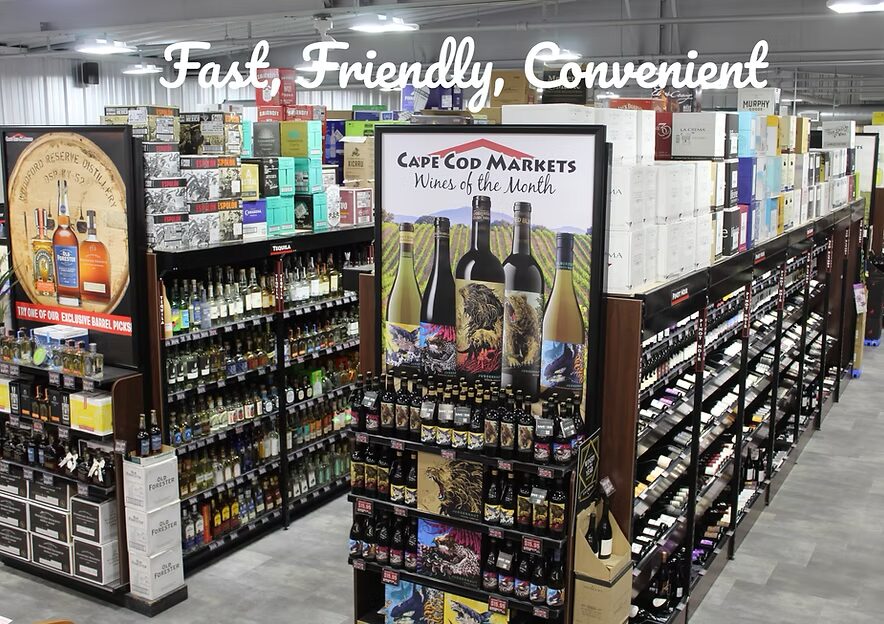
That is not a theoretical benefit. Cape Cod Markets, a LOC Software customer for more than 20 years, recently made the move to electronic price tags deployed by Ravyx, a retail technology provider and LOC Software integration partner.
“The POS, data and reporting abilities are responsible for our ability to grow and expand our business,” the retailer said. “Our latest investment in technology was electronic price tags, easily integrated to our LOC software. The payback in labor savings far exceeded our expectations.”
When choosing a solution, the decision comes down to two factors above all others: 59 percent of grocers base buying decisions on return on investment, and 50 percent on ease of integration, answers that reflect an industry that must protect margins and cannot afford operational disruption.
Loyalty programs need a rethink
Loyalty rewards remain grocers’ most common traffic driver, offered by 79 percent of respondents, yet just 48 percent consider their program to be effective.
Grocers are experimenting widely, from point-based rewards (59 percent) to instant discounts or cash back (45 percent), suggesting the industry needs a more strategic approach to turning loyalty into traffic and bottom-line results.
A readiness gap on emerging tech
Three-quarters of grocers agree AI will impact operations in the next three to five years, and 35 percent already use it to personalize offers.
Robotics, smart carts and biometric payments also are on their radar. The sobering finding: Fewer than 10 percent feel prepared to integrate emerging technology in the next five years.
LOC Software has developed retail technology for grocery retailers for more than 30 years. The company’s software suite, ThriVersA, includes point-of-sale, back office, e-commerce, self-service and loyalty modules. A link to get the full survey report is available here.