
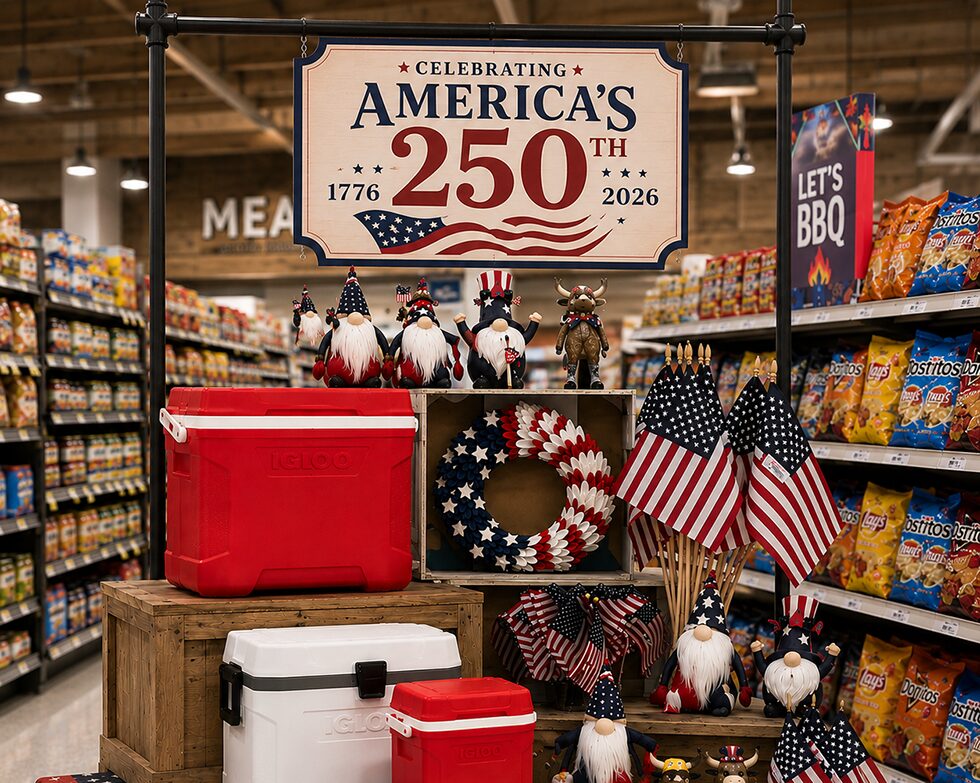
By Naomi Sleeper, President, Imperial Distributors Inc.

Non-Food for Thought is back. After a few-year hiatus, we are relaunching this column as a forum for sharing perspective on the trends, opportunities and challenges shaping non-food merchandising in the grocery channel. There may not be a more relevant time to renew these discussions than Summer 2026 — a season that is shaping up to be one of the more distinctive retail environments we have seen in several years.
Retailers are entering the summer facing real headwinds. Consumers and retailers continue to feel pressure from rising everyday costs, exacerbated by surging oil prices and tariff volatility. Spending is increasingly more selective, and many discretionary categories are competing for a smaller share of wallet. But challenging environments can create valuable opportunities for retailers who understand where consumer behavior is shifting and how to respond.
Summer 2026 brings together several distinct dynamics that help shape those shifts: the FIFA World Cup being hosted in the U.S. for the first time in over 30 years, the America 250 celebration, and continued evolution in how consumers are choosing to spend their time and money. Individually, each of these factors affect selling potential; together, they signal a broader shift in where and how consumers gather, celebrate and spend — with important implications for seasonal merchandising.
Home Field Advantage: Bringing Summer Experiences Closer to Home
The FIFA World Cup and America 250 are both expected to create an elevated and extended season of celebration throughout Summer 2026. With the World Cup bringing people together for watch parties and America 250 expected to generate broader patriotic themes, community events and traditions extending beyond a typical Fourth of July occasion, consumers are likely to engage more actively throughout the season to create shared experiences around these events.
Meanwhile, rising travel costs and continued pressure on household budgets are contributing to a growing “staycation” mindset, influencing many consumers to rethink where they spend discretionary dollars. Rather than eliminating experiences, many consumers are increasingly reshaping them around convenience, connection and value.
Nostalgia is also playing a growing role in how consumers engage with these moments. During periods of economic uncertainty, consumers often gravitate toward emotionally meaningful experiences and traditions that create comfort. America 250 naturally aligns with these tendencies through Americana themes, traditions and celebrations centered around family and community.
Together, these dynamics are influencing shoppers to create moments of connection, commemoration and joy closer to home. Whether through watch parties, backyard entertaining, neighborhood events, or gathering with family and friends, home is becoming the summer celebration destination of choice – and shoppers are purchasing products to support and enhance these occasions accordingly.
Building the Broader Experience
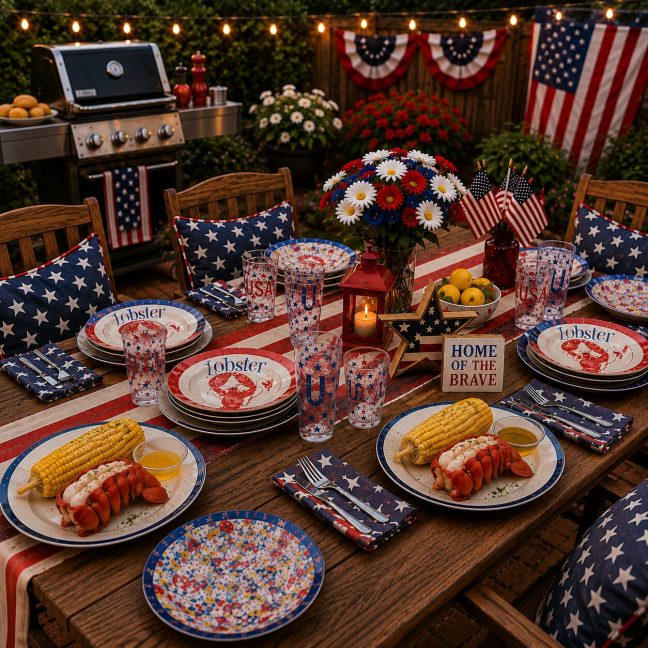
Summer 2026 highlights how seasonal merchandising is evolving — from programs built around isolated categories toward more connected shopping experiences that support the ways consumers live and engage with the season.
Historically, seasonal merchandising has often been organized around individual categories and events: patriotic décor for July 4th, party supplies for graduation, and grilling items for Memorial Day. These categories and events continue to provide an important foundation for seasonal planning; increasingly, however, consumers expect retailers to help bring the broader experience surrounding those moments to life.
Today, consumers are shopping more broadly around the moments and experiences connected to those events. Convenience, inspiration, and solutions that support the complete experience are becoming a larger part of seasonal shopping behavior.
This evolution is influencing both what consumers buy and how retailers can help build baskets around those purchases. A shopper preparing for a World Cup watch party, for example, may purchase not only soccer-themed cups and napkins, but also beverageware, grilling accessories, hydration products, tabletop items, outdoor recreation products, décor and other products that help bring the experience to life. This creates a meaningful opportunity for retailers to think beyond seasonal GM as standalone categories and more holistically about how products work together to support the broader experience shoppers are creating.
Seasonal inspiration increasingly begins online, where shoppers consume visually driven content that shapes purchasing behavior. This further reinforces the importance of storytelling, presentation, and products that help consumers recreate the aesthetically driven and shareable experiences they discover online.
Grocery’s Opportunity in the Occasion Economy
Grocery retailers are uniquely positioned to capitalize on these shifts.
As more celebrations and everyday experiences move closer to home, home cooking and entertaining becomes a central focus for many of those moments. Increased consolidation of shopping trips, driven in part by higher fuel prices, further reinforces demand for convenience and one-stop shopping. In addition, while technology continues to play a growing role in product discovery and research, many shoppers still prefer to make final purchase decisions in-store.
These three factors together create a meaningful opportunity for grocery retailers: the ability to combine food, beverage and seasonal general merchandise into a single occasion-based shopping experience is a meaningful differentiator. A shopper preparing for a Fourth of July cookout can build the entire experience in one store — from food and beverages to tabletop, outdoor entertaining products, décor, and complementary seasonal items.
Seasonal GM becomes more than an impulse purchase opportunity. It becomes a solution and tool for strengthening shopper engagement, increasing basket size, and creating a more connected shopping experience.
How Grocery Retailers Can Maximize the Season
Key takeaways highlight how to maximize Summer 2026:
- Visually Merchandise the Complete Solution: Cross-category merchandising paired with strong visual presentation – beyond a single seasonal aisle or themed endcap – can create the convenience and inspiration to help shoppers build the complete “Insta-worthy” occasion. Focus on compelling storytelling with visually cohesive displays of mixed categories and coordinated collections that leverage key design trends (e.g. nostalgia and bold colors) to transform a routine shopping trip into an engagement experience.
- Deliver Strong Value: Consumers remain selective and intentional with their purchases, favoring quality, durability and strong perceived value over brand loyalty. Thoughtfully curate assortments to include private label offerings that offer elevated quality and design at a great value, “want-to-have” items that serve as affordable indulgences, along with promotions that appeal to deliberately opportunistic purchasing behaviors.
- Plan Early and Remain Nimble: Consumers increasingly shop seasonal product earlier in anticipation of the season, while social media continues to accelerate trend cycles and influence purchasing decisions. America 250 and the FIFA World Cup may also extend the relevance of key seasonal themes, creating opportunities across a longer selling period. Balance early planning with flexibility to respond quickly to emerging trends to best maximize those opportunities.
Incorporating these priorities to strategically meet shoppers purchasing behaviors and needs can help drive traffic, deepen customer engagement and grow basket value this summer season.
Looking Ahead
Summer 2026 may represent more than an important selling season. It may provide an indication of how seasonal merchandising is developing to create more connected solutions around the ways consumers live, gather and celebrate.
As the center of many communities, grocery retailers have an opportunity to embrace this season’s home field advantage — not simply selling products for the season, but helping shoppers create the moments surrounding them. As consumer expectations continue to evolve, retailers that successfully combine convenience, inspiration, value, and thoughtful execution around shoppers’ meaningful moments will be best positioned to strengthen engagement, expand baskets and remain increasingly relevant in the lives of their shoppers.
Many of these same themes are already shaping conversations around Summer 2027 planning. As we at IDI prepare for our Summer 2027 Seasonal Show this August, we are leaning into broader seasonal storytelling through cross-category merchandising, cohesive value- and design-driven collections, and solutions that make it easier for retailers to build complete occasions for shoppers.
Home field advantage may ultimately extend well beyond Summer 2026 — creating ongoing opportunities for grocery retailers to enhance the moments that matter most to shoppers.