
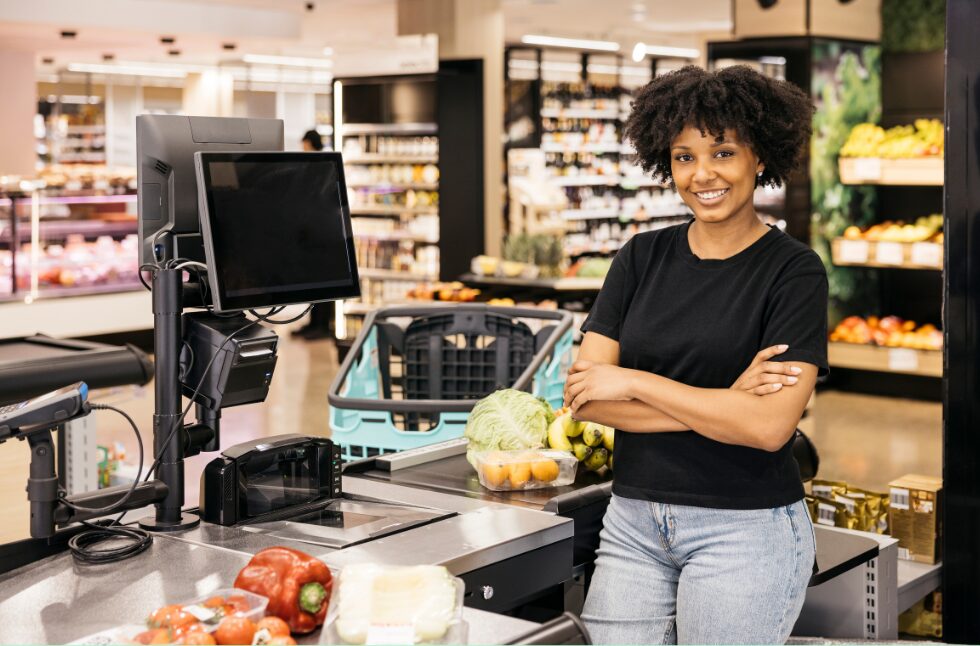

With more than 50 years of combined experience in grocery POS and retail technology, Farrell McKenna and Ed Sepelak have worked closely with independent grocers, navigating everything from changing consumer expectations to rapidly evolving store technology. With decades of hands-on experience supporting independent grocery retailers, they share a practical perspective on why integration, operational simplicity, and connected store systems are becoming increasingly important for grocery retailers in 2026.

Q: What is the biggest technology challenge independent grocers are facing right now?
One of the biggest misconceptions in grocery retail today is that stores simply need more technology to stay competitive. In reality, most independent grocers already have a significant amount of technology in place. The real challenge is that many of those systems were implemented at different times, for different purposes, and often from different vendors, which can create disconnected operations across the store.
Over time, grocers have added new solutions to address immediate business needs like loyalty, payments, self-checkout, reporting, pricing or inventory management. The problem is that many of those systems were never designed to fully communicate with one another.
That lack of integration creates operational complexity. Teams end up manually moving information between systems, troubleshooting inconsistencies, and spending valuable time managing processes that should be automated. The issue isn’t that grocers lack technology; it’s that too much of their technology operates independently.
Q: How do disconnected systems impact day-to-day store operations?
The impact is often much larger than retailers initially realize because it affects nearly every area of the business.
When systems don’t communicate effectively, store teams frequently have to rely on manual workarounds. That could mean re-entering pricing updates across multiple platforms, reconciling reports manually, or spending time tracking down discrepancies between systems. Those tasks may seem small individually, but across an entire operation, they create significant inefficiencies.
Disconnected systems can also slow down store execution. If pricing updates are delayed, promotions may not ring correctly at checkout. If reporting isn’t centralized, leadership teams may struggle to access timely insights. Inventory visibility can become inconsistent, making forecasting and replenishment more difficult.
“From our experience, the biggest challenge wasn’t adopting new technology; it was the lack of integration across systems. As we added more tools, we created silos, which led to manual workarounds and duplicated effort. Layering new technology onto outdated processes increased complexity rather than improving efficiency.
The turning point came when we looked to Ravyx to guide us, focusing on simplifying workflows and ensuring our systems worked seamlessly together. This shift allowed our teams to spend less time managing processes and more time serving customers.”
— Manuel Coelho, Seabra Group, 10+ Years of Ravyx Support
Ultimately, operational inefficiencies impact more than internal processes. They can directly affect customer experience, labor utilization and profitability.
Q: Why has integration become such an important priority for grocers in 2026?
Independent grocers are operating in a much more demanding environment today than they were even a few years ago. Margins remain tight, labor challenges continue and customer expectations around speed, convenience and consistency have increased significantly.
At the same time, stores are managing more technology than ever before. Retailers are balancing in-store systems, e-commerce platforms, loyalty programs, digital pricing tools, payments, and reporting solutions; all while trying to keep operations running efficiently.
That’s why integration has become such a critical priority. Grocers are recognizing that operational efficiency is no longer just a long-term improvement initiative; it’s essential to remain competitive.
The retailers seeing the strongest results today are focusing less on adding technology for the sake of innovation and more on creating connected operational environments. That mindset is becoming increasingly important as grocers evaluate future investments.
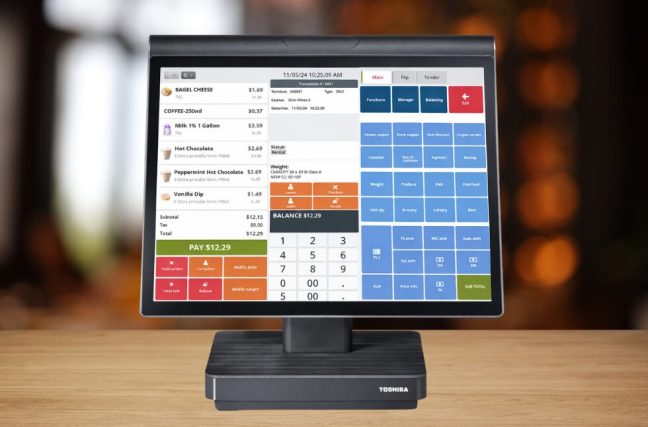
Q: What are successful independent grocers doing differently today?
The most successful grocers we’re seeing today are taking a much more strategic approach to modernization. Instead of implementing isolated solutions to solve individual problems, they’re evaluating how technology fits into the larger operational ecosystem of the store.
Many retailers are prioritizing integration-first decision-making. For example, before investing in new solutions, they’re asking important questions like:
- Will this integrate with our ERP or back-office systems?
- Is this compatible with our hardware platforms, or will this require some elements to be refreshed?
- Will it improve financial, item movement or customer insight-level visibility?
- Will it simplify workflows for store-level and HQ-level teams?
They’re also focusing heavily on operational simplicity and ROI. That includes streamlining reporting, improving pricing consistency, reducing manual processes, and creating more centralized visibility across the business, attaching an ROI to every technology decision being made.
Another important shift is that many grocers are moving away from the idea that modernization requires a complete rip-and-replace approach. In many cases, retailers can make meaningful operational improvements by strategically integrating and optimizing the technology they already have in place.
That flexibility is important for independent grocers because every operation is different. The goal isn’t necessarily to have the most technology. It’s to build a technology environment that supports efficiency, scalability, and long-term growth.
Q: What advice would you give grocers evaluating technology investments moving forward?
The biggest piece of advice we would give is to focus on operational outcomes first, with a mind toward ROI at all times.
It’s easy to get caught up in features, trends, or the newest technology entering the market, but retailers should start by identifying the operational challenges they’re trying to solve, and importantly, how it will improve the bottom line. Whether it’s improving labor efficiency, increasing visibility, simplifying reporting, managing shrink, improving DSD and other processes, or enhancing customer experience, technology investments should support clear business goals and drive profit.
Integration and connectivity should also be major considerations. The tech stack in your average grocery operation has become more complex over the past 5-10 years, and grocers need solutions that can scale with their business and work effectively within their existing ecosystem. A solution may offer strong individual functionality, but if it creates additional complexity, overhead cost, or operational silos, it can ultimately create more challenges than it solves.
It’s also important to consider the employee experience. Store-level teams need technology that is intuitive, efficient, and easy to manage in fast-paced grocery environments.
At the end of the day, the retailers positioned for long-term success won’t necessarily be the ones with the most bells and whistles, or the most layers of software in place. They’ll be the ones with technology that work together seamlessly to support both store operations and customer experience.