

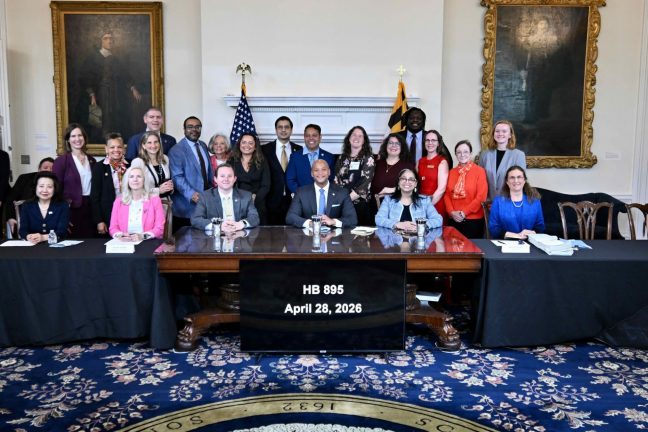
Maryland Gov. Wes Moore signed the Protection From Predatory Pricing Act on April 28, making Maryland the first state in the country to ban perceived price manipulation practices.
The legislation, House Bill 895, prohibits grocers and third-party delivery services from using dynamic pricing or a shopper’s personal data to set higher prices. The intent is to ensure consumers pay a transparent, consistent price when checking out.
HB 895 targets a specific practice – using personal data and surveillance to set individualized prices.
The event was part of the second of four post-session ceremonies, during which Moore signed nearly 200 bills into law.
Bill framed as consumer protection
Moore positioned the legislation as part of a broader effort to address affordability concerns facing Maryland residents.
“At a time when our people are being squeezed by the cost of everything, especially groceries, Maryland is not just pushing back but pushing forward,” Moore said.
“Many of the bills I’m signing today are about protecting our people, and each was made possible because of the courage of Marylanders who showed up, advocated and refused to let politics drown out the work of delivering results for our state.”
Organizations cite amendments
The Maryland Retailers Alliance, Maryland Association of Chain Drug Stores and Maryland Food Industry Council took a neutral stance on the final version of the bill following extensive negotiations during the legislative process.
Cailey Locklair, president of the three associations, said the amendment process produced a workable outcome for retailers.
“We’re neutral [on] the way the bill ended up,” Locklair said. “There were an immense amount of amendments and changes that were made to the bill to ensure that our businesses can offer the discounts that consumers [expect], and there are many legitimate reasons that prices may increase. The law allows for both.”
Reaction from independents
The National Grocers Association pushed back on the issue.
“Maryland’s surge pricing ban targets a practice that independent grocers simply do not use and is a solution in search of a problem,” an NGA spokesperson said.
“NGA members are not engaging in surge pricing; they rely on straightforward, cost-based pricing, along with promotions and discounts, to stay competitive and keep food affordable.
“Policies like this risk mischaracterizing Main Street grocers and distract from the real pressures driving prices today, such as historically high credit card swipe fees and a lack of antitrust enforcement in the supermarket industry.”