
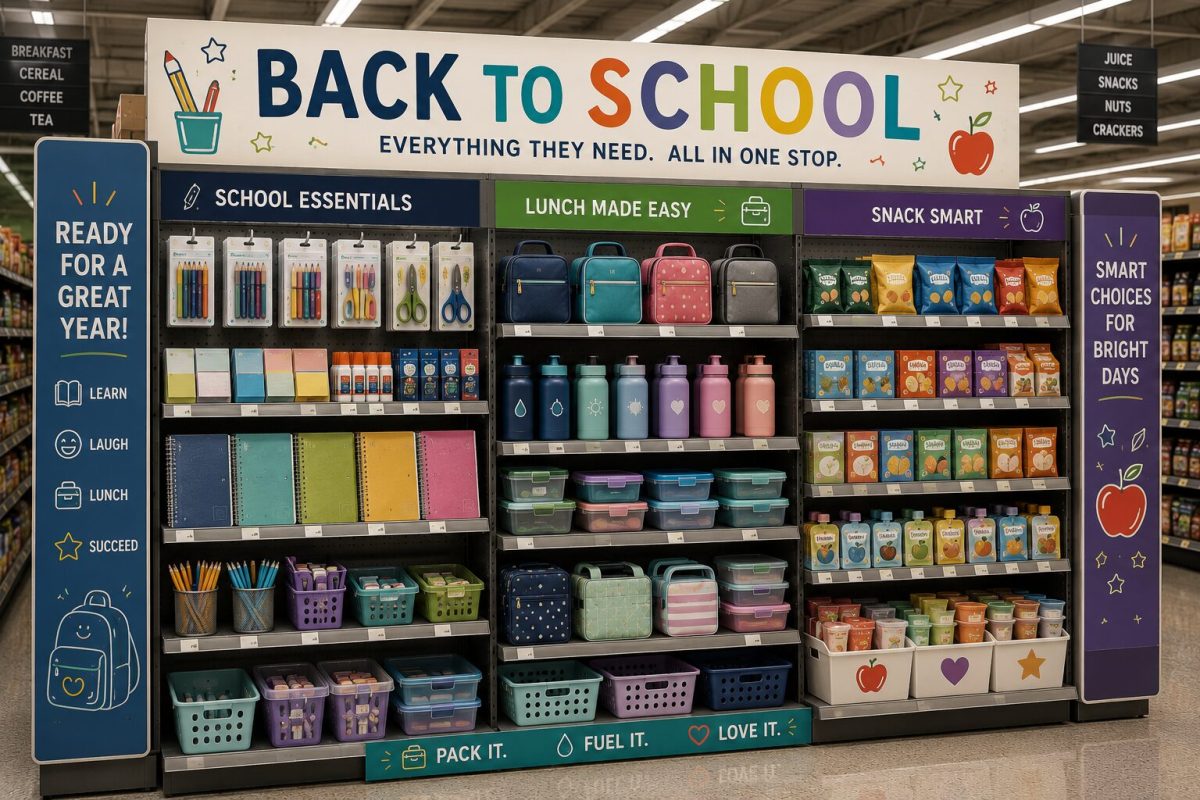

Back-to-School has evolved well beyond a one-time stock-up trip for notebooks, pencils, and lunch bags. Today, it represents a broader household reset shaped by omnichannel shopping, value-seeking behavior, wellness priorities, and the return to more structured weekday routines. For grocery retailers, that evolution has fundamentally changed the role of the season.
Back-to-School in grocery is no longer primarily a school-supplies event. It is a multi-week routine-reset season centered on lunch preparation, breakfast, hydration, health and wellness, replenishment, and forgotten essentials. While mass merchants, office supply retailers, and e-commerce platforms continue to dominate list-completion shopping for traditional supplies, grocery is well positioned to win in the needs that surround the school year: the products families use every day, replenish frequently, and often need immediately.
This shift creates a clear opportunity for grocery retailers. Rather than competing on assortment breadth in core school supplies, retailers can drive stronger seasonal performance by building solution-based programs that align with the weekly shop and the realities of family life. The most productive Back-to-School strategies in grocery are those that connect food, beverage, health, household essentials, and selective general merchandise into relevant, easy-to-shop solutions.
Retailers that treat Back-to-School as a family routine-reset season — not a traditional school-supplies event — are better positioned to grow basket size, increase cross-category purchasing, and reinforce trip relevance throughout the season.
The evolving role of grocery in back-to-school
1990s: A Supplemental Stop for Forgotten Essentials
In the 1990s, grocery’s role in Back-to-School was limited but familiar. The season centered primarily on lunch ingredients, snacks, and a small assortment of school-related general merchandise positioned as a convenience add-on. Notebooks, pencils, crayons, glue, lunch bags, and food storage items were commonly merchandised in front-of-store seasonal displays supported by school-themed corrugate, dump bins, and bright signage. Grocery served as a supplemental stop for forgotten basics rather than a destination for school-list completion.
2000s: A More Visible Seasonal Event
As supermarkets expanded their general merchandise assortments in the 2000s, Back-to-School became a more prominent seasonal event within the store. Power aisles, endcaps, and seasonal displays were used to capture impulse purchases during routine grocery trips, while licensed school supplies and lunch-prep items tied to major entertainment properties added excitement and incremental demand. Assortments also broadened to include teacher gifts, dorm-related basics, small appliances, and personal care items. Grocery was still not the primary school-supply destination, but the event became more intentional and more integrated into the total store experience.
2010s: A Shift Toward Routine Support
As consumers increasingly turned to mass retail and e-commerce for broad school-supply assortments, grocery retailers shifted away from competing directly on traditional supplies and leaned into a more natural role: supporting the daily school routine. Healthy snacking, reusable food and beverage storage, hydration, personal care, and wellness solutions became more prominent, aligning closely with grocery’s core strengths. Retailers also expanded cross-merchandising efforts, linking lunch, breakfast, and after-school needs across deli, produce, center store, beverage, and general merchandise.
2020s: Grocery as a Routine-Reset and Replenishment Channel
Today, grocery’s Back-to-School opportunity is rooted in supporting busy family routines rather than trying to replicate the assortment depth of mass merchants or office supply retailers. While shoppers may still pick up the occasional notebook, pack of crayons, or basic school supply during a grocery trip, those purchases are typically fill-in or convenience-driven rather than destination-driven. Grocery’s point of differentiation is its ability to capture the routine needs that surround the school year: lunch building, breakfast, hydration, immunity, personal care, college move-in basics, teacher gifting, and last-minute forgotten essentials. In that sense, Back-to-School in grocery has evolved from a front-end school-supplies set into a broader, cross-category merchandising event tied to the rhythm of family life.
How shoppers use grocery during back-to-school
Back-to-School shoppers do not use grocery in the same way they use mass merchants or office supply stores. Grocery plays a distinct role in the season by serving a set of recurring shopper missions tied to convenience, replenishment, and routine support.
Fill-In and Forgotten Essentials
One of grocery’s most consistent roles during Back-to-School is serving as the convenient destination for forgotten or last-minute needs. Sandwich bags, napkins, tissues, reusable water bottles, pens, deodorant, and hand sanitizer are all examples of items that can easily be added to a weekly basket or picked up quickly when needed. These purchases are rarely destination-driven, but they are highly incremental and reinforce the store’s role as a dependable one-stop resource for everyday needs.
Lunch and Snack Replenishment
Unlike traditional school supplies, food and lunch-prep items require ongoing replenishment throughout the season. That creates a structural advantage for grocery. Lunchbox snacks, sandwich ingredients, yogurt, fruit, juice boxes, crackers, bars, food storage, and ice packs all support the daily lunch routine and are replenished repeatedly throughout the first weeks of school and beyond. This recurring demand makes Back-to-School in grocery less of a single event and more of an extended selling season.
Breakfast and Morning Routine Support
The return to school also marks the return of weekday morning structure. Families shift back into school-day breakfasts, packed schedules, and time-sensitive routines, creating opportunity across cereal, oatmeal, frozen breakfast, yogurt, fruit, coffee, and grab-and-go beverage solutions. Breakfast is an important, and often underleveraged, Back-to-School platform in grocery because it naturally complements lunch and snack merchandising while speaking directly to the realities of the school-week routine.
Health, Hygiene, and Wellness
Back-to-School also brings renewed focus to health, wellness, and hygiene as students return to classrooms, sports, and shared spaces. Parents often use the season to refresh immunity support, hydration, personal care, and everyday wellness routines. Tissues, hand sanitizer, vitamins, pain relief, allergy support, soap, lip balm, deodorant, and better-for-you snacks all align with grocery’s ability to support healthy school-day habits. This opportunity is particularly relevant as Back-to-School often overlaps with the beginning of cold and flu season.
College Move-In and Young Adult Independence
For college students and their families, grocery often serves as a practical fill-in destination for dorm living essentials that are forgotten, consumed quickly, or needed immediately after move-in. Laundry products, food storage, cleaning supplies, paper goods, quick meals, snacks, hydration, over-the-counter wellness products, and basic kitchen tools all fit naturally into grocery’s assortment and can be merchandised as a highly relevant seasonal solution.
The Trends Reshaping Back-to-School in Grocery
Several long-term consumer and retail trends continue to reshape how Back-to-School shows up in the grocery channel. While many of these dynamics affect all retail channels, their implications for grocery are distinct because they influence the weekly trip, cross-category purchasing, and how retailers can build more relevant seasonal solutions.
Everyday Value and Budget Stretching
Inflation and ongoing pressure on household budgets have made value one of the defining themes of the modern Back-to-School season. Families are increasingly seeking opening-price-point products, private label alternatives, and practical solutions that help spread spending across multiple weeks rather than requiring one large stock-up trip. In grocery, this creates opportunity across affordable lunchbox staples, private label snacks and breakfast items, value-driven hydration, and opening-price-point lunch-prep and food storage solutions. Multi-buy offers are particularly effective when they help shoppers solve a routine need, such as building a week of lunches or snacks at an accessible cost.
Health-Conscious Routines and Wellness Support
Parents continue to look for ways to support healthier eating habits, portion control, and overall wellness as the school year begins. Better-for-you snacks, fruit, yogurt, protein-rich breakfast options, hydration, and bento-style food storage all support that goal. At the same time, post-pandemic shopping habits have elevated the importance of immunity, hygiene, and classroom wellness. Tissues, sanitizer, vitamins, hand soap, hydration, and lunch-prep items that support healthier routines all represent relevant Back-to-School opportunities for grocery retailers. Because these needs span food, pharmacy, health and beauty, and general merchandise, they are especially well suited to cross-category merchandising.
Sustainability and Reusability
Reusable beverage bottles, insulated lunch bags, food storage containers, and portioning solutions continue to gain traction as families look to reduce single-use waste and create more flexible lunch and snack options. For grocery, this trend creates a meaningful bridge between consumables and general merchandise. Reusable solutions are often purchased alongside the food and beverages they are intended to carry, making them especially effective when merchandised as part of a broader lunch or hydration solution.
Social Influence, Self-Expression, and Licensing
Popular characters, entertainment properties, and social media-driven trends continue to shape what children and parents notice during the season. For younger students, licensed lunch accessories, water bottles, and snacks can create excitement and impulse appeal. For older children and teens, self-expression increasingly shows up through hydration, lunch gear, personal care, and trend-driven accessories. These purchases are generally incremental rather than essential, but they can help a retailer demonstrate relevance and create a more contemporary seasonal presentation. Grocery is unlikely to lead with deep trend assortment, but selectively incorporating current licenses, kid-friendly packaging, and trend-aware hydration or lunch solutions can add energy to the event.
Omnichannel Shopping and Trip Fragmentation
Perhaps the biggest structural shift affecting Back-to-School is the fragmentation of the shopping journey. Families now research online, compare prices instantly, and spread purchases across multiple channels depending on the category. Mass merchants and e-commerce continue to dominate list-completion shopping for traditional supplies, electronics, and broad school assortments. Grocery benefits in a different way: by capturing the fill-in, replenishment, and convenience-driven purchases that happen before, during, and after the primary stock-up trip. This makes Back-to-School in grocery less dependent on a single peak moment and more dependent on sustained relevance across the full season.
The Return of Routine
One of the most important dynamics in grocery is that Back-to-School functions as a household routine reset. The season marks the return of weekday breakfasts, packed lunches, after-school snacks, sports schedules, car rides, and more structured shopping habits. This reset creates demand across multiple departments and extends well beyond what most retailers would traditionally classify as “school supplies.” Retailers that frame the season around helping families manage the return to routine — rather than around school supplies alone — are more likely to create relevant solutions and stronger basket-building opportunities.
Where grocery can win — and where it shouldn’t try to
Back-to-School remains a highly competitive season, but not every category or mission is equally important for grocery. The most productive strategies are built around the areas where the channel has a natural advantage.
Grocery can win in lunch preparation, snack replenishment, breakfast solutions, hydration, health and hygiene, college fill-in needs, teacher gifting, and forgotten essentials. These are categories and occasions that fit naturally into the weekly trip, benefit from frequent replenishment, and often span food, beverage, household, pharmacy, and general merchandise. Grocery is also advantaged when the shopper is looking to save time, avoid an extra trip, or solve an immediate need.
By contrast, grocery is less advantaged in deep school-supply assortments, technology, and highly price-shopped traffic-driving school commodities. These categories are more naturally served by mass merchants, office supply retailers, and online marketplaces with broader assortments and stronger price perception. Grocery does not need to win the full school list to win the season. It needs to win the categories and shopper missions that are most relevant to its strengths and most complementary to the weekly basket.
Strategic Opportunities for Grocery Retailers
Because grocery retailers benefit from high shopping frequency, the channel has multiple opportunities to capture incremental Back-to-School spending throughout the season. The strongest programs are not built around isolated school supplies, but around solution-based merchandising platforms that connect everyday food and beverage needs with adjacent non-food essentials.
Lunch Made Easy
Lunch remains the clearest and most consistent Back-to-School opportunity in grocery. It sits at the intersection of food, beverage, and general merchandise, and it benefits from ongoing replenishment rather than a one-time stock-up trip. Retailers can support this need through sandwich ingredients, deli meats, sliced cheese, peanut butter, fruit, applesauce, yogurt, snack packs, bars, crackers, juice boxes, single-serve beverages, reusable containers, sandwich bags, snack bags, lunch totes, ice packs, and water bottles. Merchandising these products together — rather than separating them strictly by department — helps simplify meal planning and encourages shoppers to build a complete lunch solution in one trip.
Breakfast and Morning Routine
Back-to-School also creates a meaningful opportunity to support the weekday morning routine. School mornings are time-pressured, making convenience, portability, and routine especially important. Cereal, oatmeal, frozen breakfast items, yogurt, fruit, breakfast bars, toaster pastries, coffee, creamers, and on-the-go beverages all play a role in helping families get out the door more easily. When paired with travel mugs, napkins, or portable snack solutions, breakfast becomes a stronger and more visible seasonal merchandising story.
Healthy School Days
As parents continue to prioritize wellness, grocery retailers can position Back-to-School as a season for supporting healthier habits, immunity, and hydration. Better-for-you snacks, portion-controlled lunch options, fruit, yogurt, granola bars, flavored water, vitamins, tissues, hand sanitizer, allergy support, and pain relief all fit naturally into this story. This platform is particularly effective because it bridges grocery, health and beauty, pharmacy, and general merchandise. Retailers that merchandise wellness as part of the school-day routine — rather than as a separate health category — can create a more relevant and complete solution for parents.
Hydration and On-the-Go Beverage Solutions
Hydration has become an increasingly visible part of Back-to-School, driven by both health-conscious habits and the popularity of reusable beverage containers. Water bottles, insulated tumblers, drinkware accessories, bottled water, sports drinks, drink mixes, and lunchbox-friendly beverages all support the school-day routine and can be merchandised together as a standalone hydration story or integrated into lunch and sports-related displays. This is also one of the more trend-sensitive Back-to-School spaces, particularly for older children and teens who view bottles and tumblers as both functional and expressive.
After-School Snacking and Activity Support
Back-to-School is not only about the classroom; it also includes sports, clubs, after-school care, and the daily transition between school and home. Grocery retailers can capture this need through after-school snacking and activity-based solutions that include grab-and-go snacks, protein bars, fruit, crackers, cookies, sports drinks, hydration, and simple dinner shortcuts for busy evenings. This occasion supports larger baskets by connecting snack, beverage, and meal-prep solutions into one merchandising story centered on busy afternoons and evenings.
College Move-In and Dorm Living
College remains an important seasonal opportunity for grocery, particularly for retailers located near campuses or in family-oriented trade areas. Laundry detergent, dryer sheets, stain removers, paper goods, cleaning products, storage containers, shelf-stable meals, snacks, hydration, food storage, microwavable meals, and over-the-counter wellness products are all relevant to dorm living. Unlike a traditional school-supplies program, this platform leans into grocery’s practical strengths and can feel highly relevant when merchandised as a convenient dorm-essentials or forgotten-needs solution.
Teacher Appreciation and Classroom Support
Teacher gifting and classroom support are often smaller, last-minute needs, but they align well with grocery’s convenience role. Mugs, tumblers, candles, chocolates, gift cards, greeting cards, tissues, classroom snacks, and coffee-related gifting all fit naturally into the channel and can be merchandised near the front end or alongside seasonal displays. These purchases may not define the season, but they add incremental value and reinforce the retailer’s role as an easy stop for thoughtful, practical gifting.
Merchandising Implications for Grocery Retailers
If Back-to-School in grocery is best understood as a routine-reset season, merchandising should reflect that reality. The strongest seasonal programs will not simply isolate a small assortment of school supplies at the front of the store. Instead, they will create solution-based stories that connect multiple categories around how families actually shop and live during the season.
Cross-merchandising is especially important. Lunch is not one category, nor is wellness, breakfast, or college move-in. These needs span fresh foods, center store, beverage, household, pharmacy, health and beauty, and general merchandise. Retailers that connect these categories through thoughtful adjacencies, seasonal displays, endcaps, and secondary placements are more likely to drive impulse purchases and larger baskets than those that rely on isolated seasonal fixtures.
Value messaging should also be central to the event. With households watching spending closely, opening-price-point products, private label solutions, and multi-buy offers can help position the grocery store as a practical Back-to-School resource rather than simply a convenience stop. The strongest value stories are not limited to price points on individual items; they show shoppers how to build an affordable lunch, breakfast, or snack routine across multiple categories.
Finally, retailers should think about Back-to-School as a family solution event rather than a children’s supplies event. The season touches parents, elementary students, teens, college students, and teachers in different ways. A successful grocery program acknowledges that broader reality and builds assortments that support the full household routine — from weekday breakfasts and lunch prep to immunity, hydration, and dorm living.
Conclusion
Back-to-School in grocery has evolved from a modest front-end school-supplies event into a broader seasonal opportunity rooted in everyday family routines. Grocery is no longer competing to be the primary destination for notebooks, pencils, and full-list completion. Its greatest strength lies in supporting the practical needs that surround the school year: lunch and snack replenishment, breakfast, hydration, health and hygiene, teacher gifting, college move-in, and forgotten essentials.
That shift matters because it changes how the season should be planned, merchandised, and measured. The most productive Back-to-School programs in grocery are not those that attempt to replicate mass retail assortments, but those that translate the season into relevant, cross-category, routine-based solutions that fit naturally into the weekly shop.
For grocery retailers, the opportunity is clear: treat Back-to-School not as a school-supplies event, but as a routine-reset season. Retailers that do so can create a more differentiated seasonal strategy, capture more incremental purchases across departments, and strengthen their role as a trusted, convenient destination for busy families throughout the season.