A visit to Talpa Supermercados in metro Atlanta shows how experiential retail, fresh departments and cultural connection can turn a soccer summer into sustained traffic.
The 2026 FIFA World Cup runs from June 11-July 19, co-hosted for the first time by the United States, Mexico and Canada, with Atlanta among the 11 U.S. host cities. That same energy is on full display a short drive from the action, inside a grocery store.
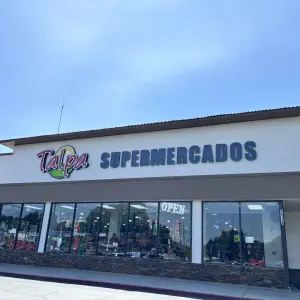
Talpa Supermercados, at 4317 Buford Highway NE in Atlanta, sits along the Chamblee stretch of the corridor long known as the International Village. The chain’s billboards dot the metro area, but the store itself is the real draw: clean, spacious, fully staffed and unmistakably built around the tournament.
It also is one of the clearer working models of experiential grocery retail operating in the market today, and there is plenty in it for grocers of any size to study.
Store built for dwell time
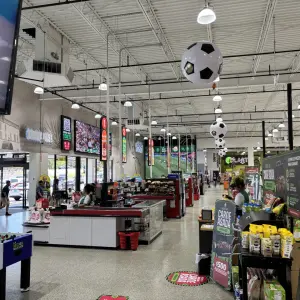
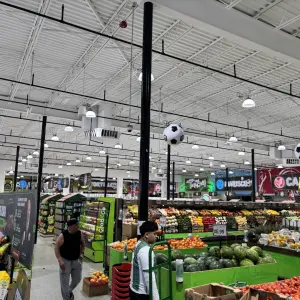
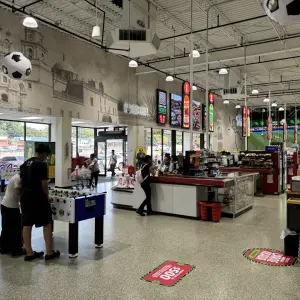
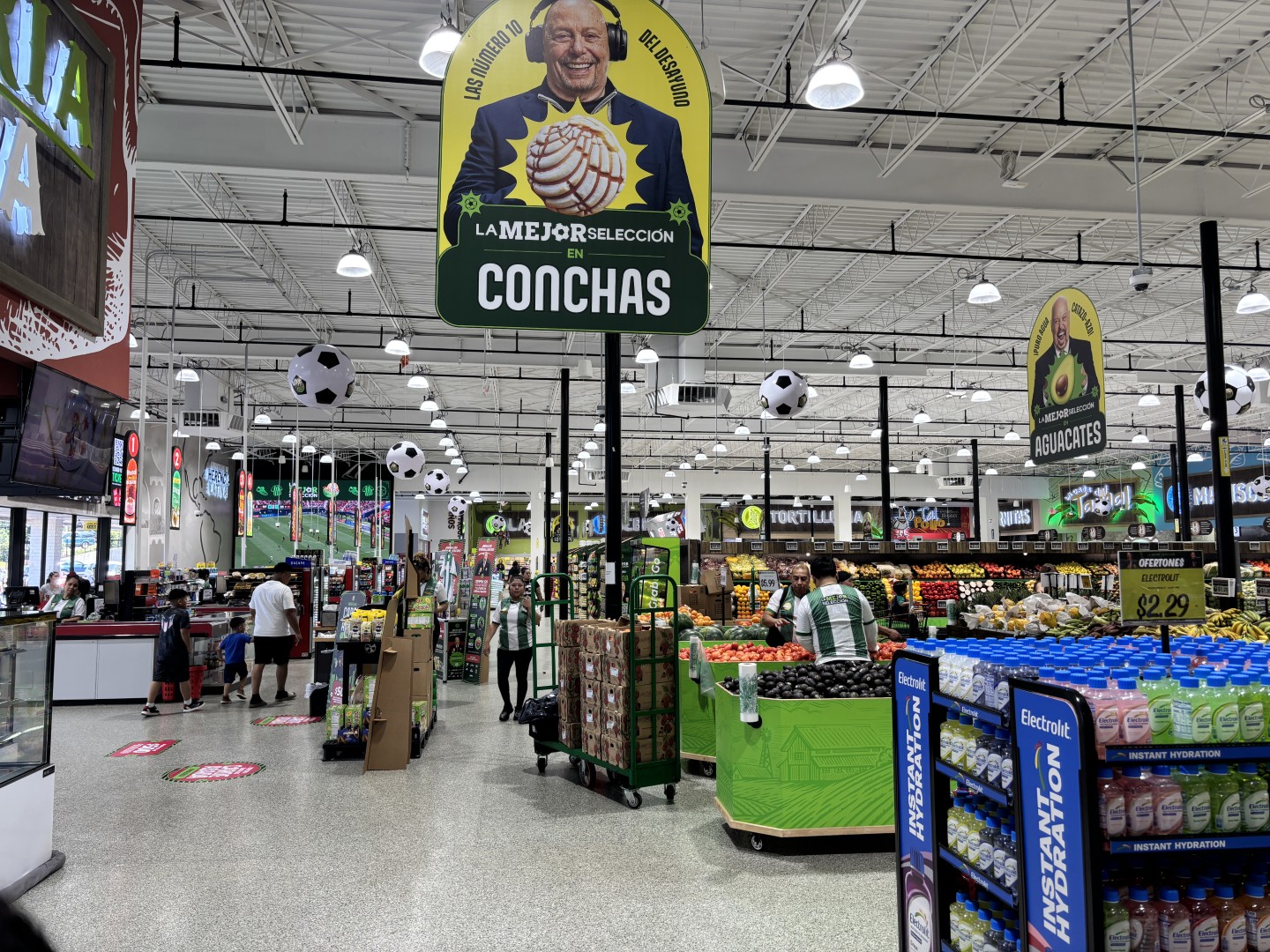
Soccer balls hang from the open ceiling across the sales floor. Staff wear team jerseys. A wall-sized LED video board carries the match live, so shoppers can follow the game without breaking stride, and smaller screens repeat it near the front end.
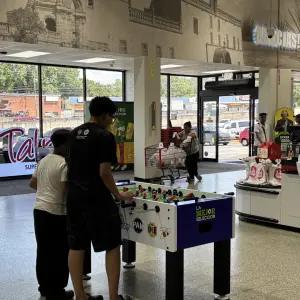
Foosball tables sit out in the open, where children, and a few adults, play a quick game while the family shops.
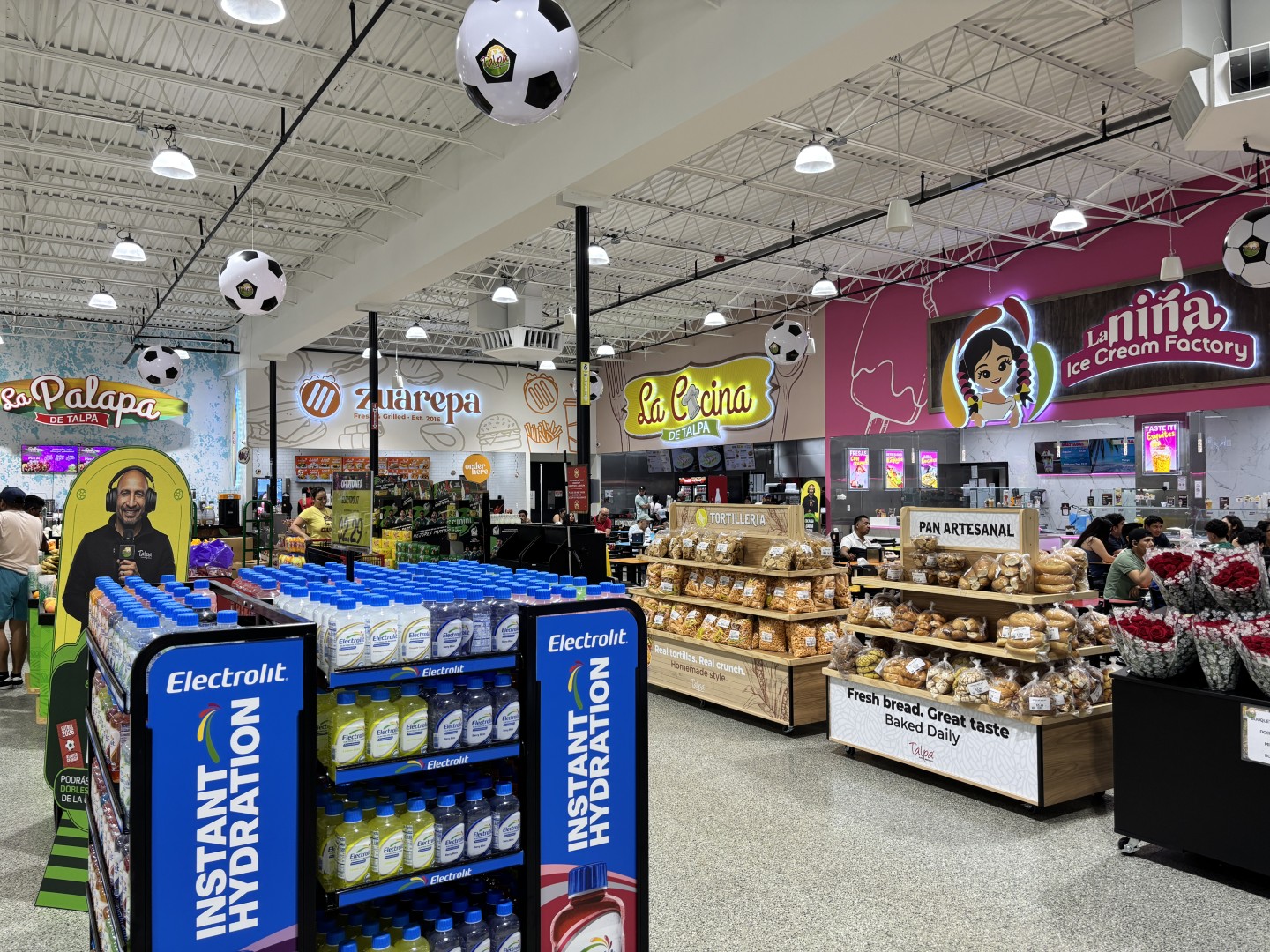
None of it is decoration for its own sake. It is dwell time, engineered. Talpa pairs the soccer atmosphere with in-store eateries – taqueria and restaurant counters serving fresh food with seating in front of each – plus La Niña Ice Cream Factory for dessert.
The result is a place where a shopper can browse, eat and linger for the better part of a day, which is exactly the behavior that lifts basket size and brings households back.
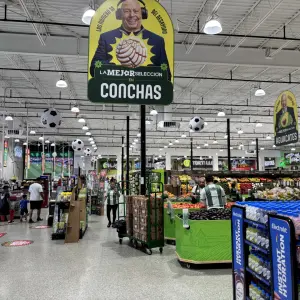
The chain has wrapped the moment in its own “La Mejor Selección” (The Best Selection) campaign, a soccer-themed sweepstakes with QR codes, participating products and prizes that gives shoppers a reason to engage beyond a single trip.
Fresh as the main attraction
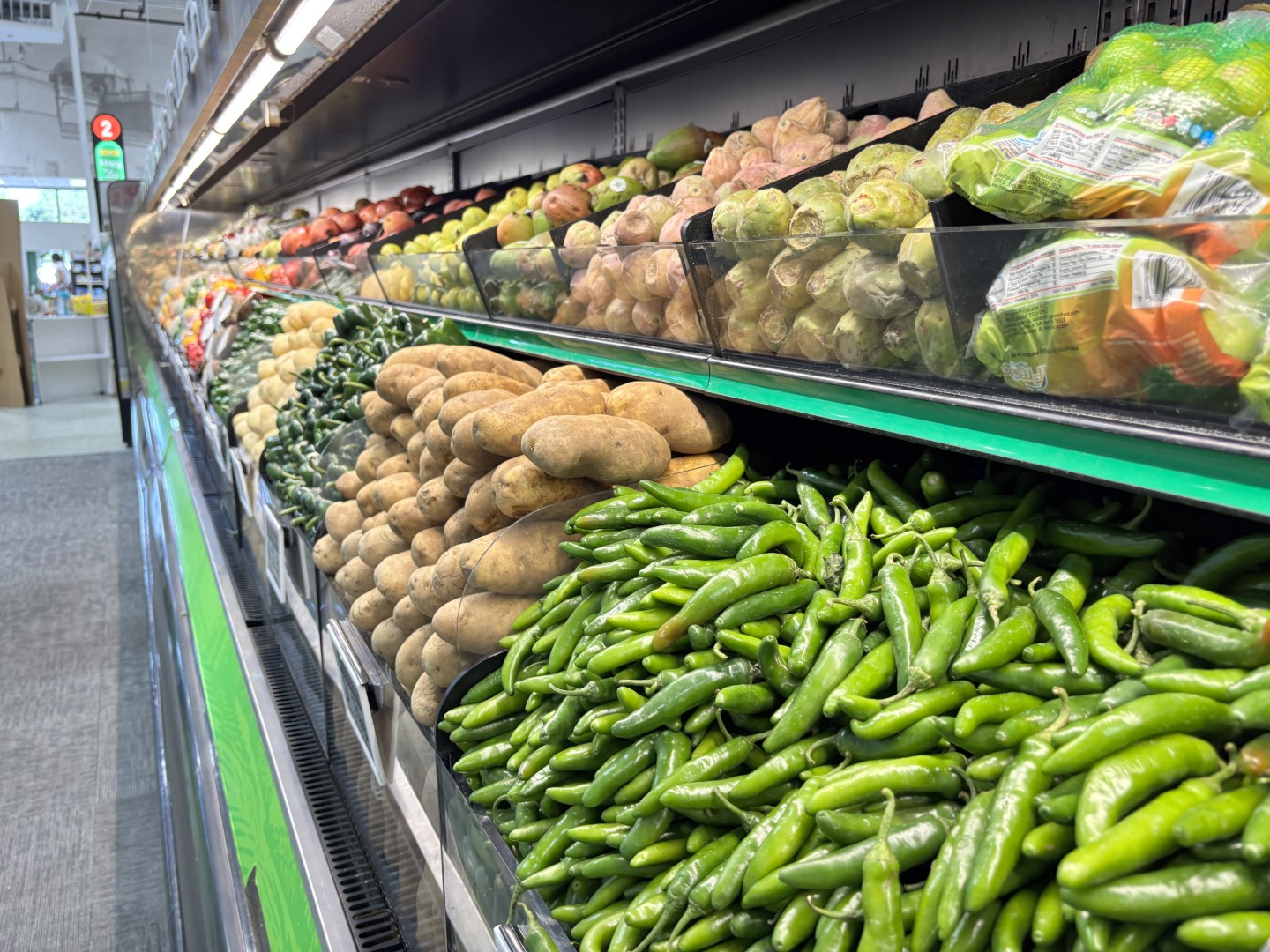
The perishable departments do the heavy lifting. Produce is stacked high and turned often. There is a dairy set, a deli, a bakery and a working tortilleria pressing tortillas on site.
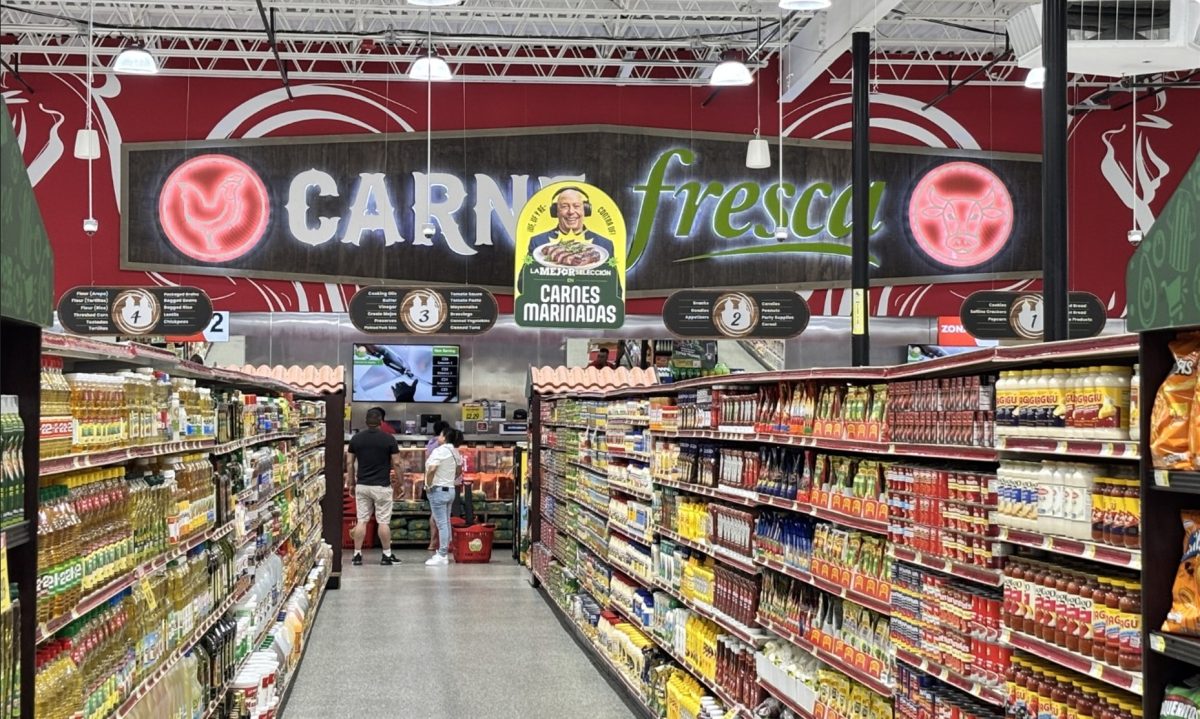
The anchor, though, is one of the largest fresh meat and seafood departments in a store this size. The carniceria and marisqueria counters stay busy with customers placing custom-cut orders, and that volume tells its own story.
When this many shoppers are buying made to order, the perception – and likely the reality – is that the meat and seafood are as fresh as anything around.
Service you can see
The most striking detail, in an era of trimmed labor and self-checkout banks, is the staffing. Every register is manned by a cashier. Lines are short. Associates work the floor, stocking, facing shelves and ready to help.
The store feels fully crewed, and shoppers move through it without friction. That level of visible service is increasingly rare, and it is a differentiator any grocer can choose to invest in.
Culture as merchandising
What ties it together is cultural fluency that reads as authentic rather than applied. Spanish-language signage, department names and promotions speak directly to the community.
A mural along one wall reads “Conocemos Herencia Latina,” a nod to Latin heritage, and the World Cup activation runs through displays, jersey-clad staff and gamified promotions instead of being bolted on as a seasonal afterthought.
Talpa bills itself as the largest Hispanic supermarket in Georgia, with more than half a dozen locations, and the Chamblee store shows what that positioning looks like when every element – store, staff and atmosphere – is aligned and managed well.
Market behind the moment
The timing is not incidental. U.S. Hispanic spending power is large and growing. NIQ estimates it at about $2.7 trillion and credits Hispanic households with an outsized share of total U.S. dollar growth. The Latino Donor Collaborative has noted that U.S. Latino economic output, treated as a standalone country, would rank among the largest economies in the world.
The Hispanic population is projected to exceed 74 million by 2028, and Hispanic shoppers have steered more of their spending toward food and club channels even as overall discretionary spending tightened in 2025, according to Circana.
Mainstream operators have noticed. Over the past year, grocers including SpartanNash, with its Supermercado Nuestra Familia banner, and Save A Lot, with the Ahorra Mucho format it developed alongside Leevers Supermarkets, have expanded dedicated Hispanic stores.
Coresight Research expects more conventional grocers to broaden international product lines as the demographic grows. Talpa is a reminder that the bar for serving these shoppers is not bilingual signage and a single international aisle. It is a complete, culturally grounded experience.
The takeaway
A World Cup summer is a natural hook, and any grocer can lean into a cultural or sporting moment with displays, themed promotions and tie-in foods.
The more durable lesson from Talpa sits underneath the soccer balls: deep fresh and service departments, visible staffing, a welcoming and well-kept environment, and food and entertainment that turn a grocery run into a destination.
Pair those with genuine cultural relevance, and a store stops competing on price alone and starts competing on experience. On that scorecard, this Buford Highway supermercado is playing to win.
Talpa Supermercados in NE Atlanta