
Fresh FMI data shows the in-store bakery is one of grocery’s strongest growth engines — and a clear roadmap for retailers heading into 2026.
The in-store bakery is having a moment.
According to FMI’s Power of Foodservice at Retail 2025 report, in-store bakery sales reached $21 billion in the 52 weeks ending Aug. 9 — up 2.6 percent in dollar sales and 1 percent in unit sales over the prior year. More telling: 91.3 percent of U.S. households purchased from the in-store bakery at least once during that period, up 0.2 points, with the average shopper making 24.5 bakery purchases at $6.34 per transaction. Spend per buyer reached $156, up 1.4 percent.
Translation: nearly every household in America is buying from the in-store bakery, they are buying more often, and they are spending more when they do. That is not a category in maintenance mode. That is a renaissance.
For grocery retailers, the implication is significant. As labor pressures, private-label competition and digital disruption continue to reshape the perimeter, fresh bakery is emerging as one of the few categories where physical stores still hold a clear advantage over every other channel. The question for 2026 is not whether the in-store bakery matters — it is how aggressively retailers will lean in.
Why the renaissance is happening
Fresh in-store bakery has always operated on a different set of rules than packaged goods. Quality, freshness and sensory experience drive the category in ways no shelf-stable alternative can replicate. The aroma of cinnamon rolls at 9 a.m., the sight of muffins steaming on a sheet pan, the texture of bread pulled from the oven within the hour — these are not marketing devices. They are the category’s structural advantage.
Globally, 61 percent of consumers say they notice the product quality of store-brand and supermarket-brand products, according to Innova Market Insights, and freshness ranks among their top quality cues — with 50 percent citing it as the deciding factor when buying fresh bread. In a value-conscious environment, freshness is the differentiator that lets retailers command price without losing the shopper.
In-store baking creates a sensory experience that encourages impulse buys and builds an emotional connection to the store. That sensory pull is also a perimeter driver: the bakery department brings traffic into the store, anchors the perimeter and lends quality credibility to the overall shopping trip. For retailers, the halo effect travels well beyond the bakery case itself.
Where the growth actually is
A renaissance is only useful if you know which doors are open. FMI’s 2025 data points clearly to where the momentum is — and where it is not.
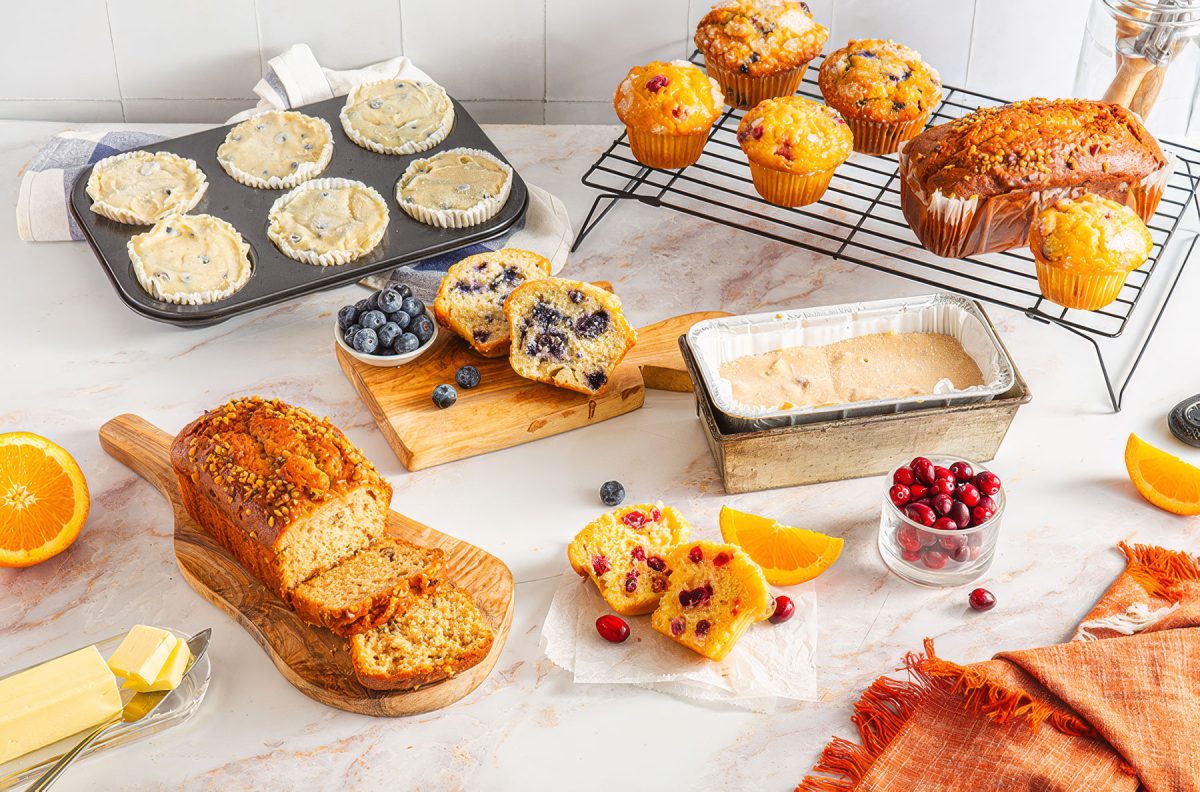
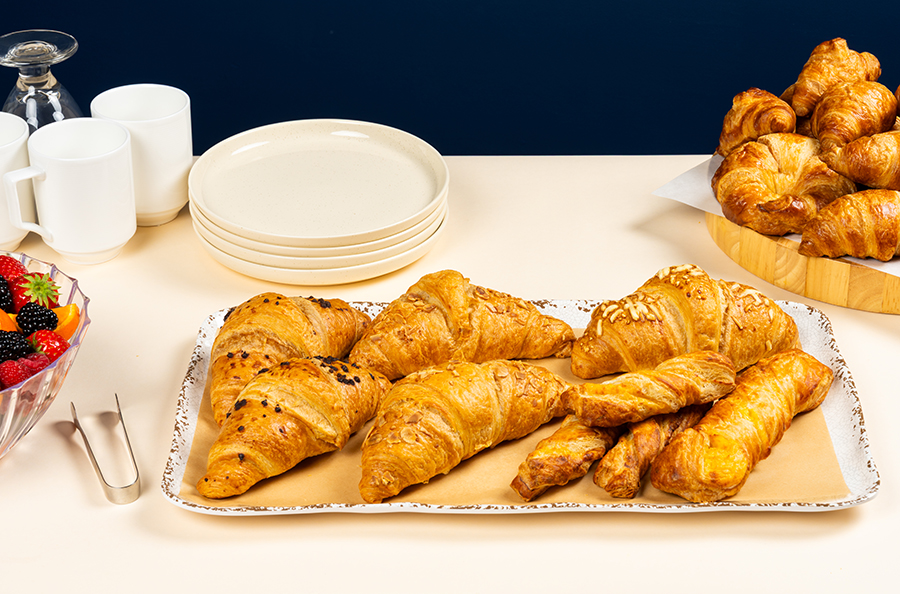
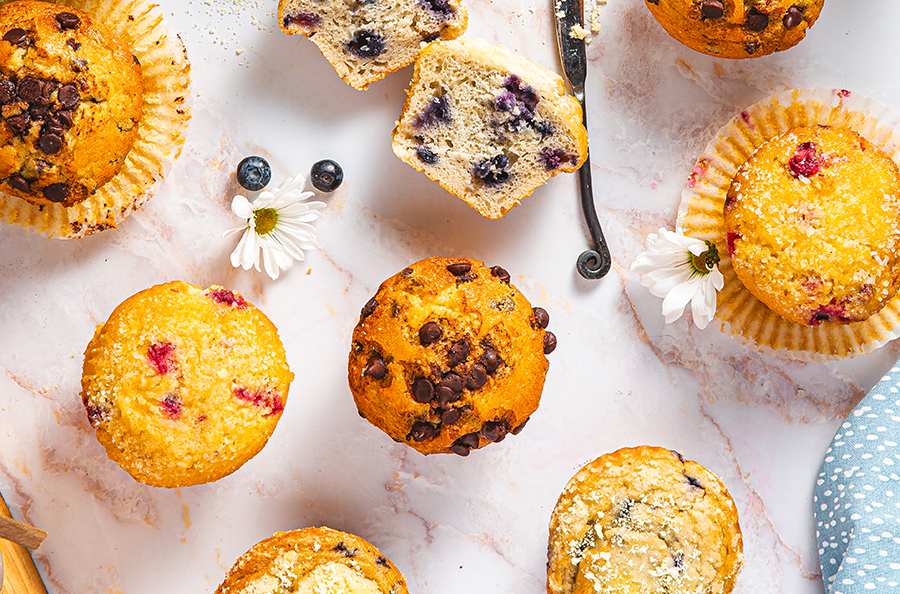
Muffin sales are up 9 percent year-over-year for the 52 weeks ending August 9, 2025. Croissants posted some of the strongest growth in the entire category, with dollar sales up 12.8 percent and unit sales up 11.3 percent. Sandwich bread also showed meaningful gains across both measures.
On the other side of the ledger, pies and artisan breads declined in both dollar and unit sales, while doughnuts, cookies and crusty bread saw unit declines. That is a meaningful signal. Consumers are reallocating spend within the bakery — toward versatile, all-day-occasion items like muffins and sandwich bread, and toward specialty growth categories like croissants — and away from items that may be losing relevance in their daily eating patterns.
For category managers, the implication is straightforward: not all bakery growth is equal, and the assortment that worked in 2023 may be carrying less weight in 2026.
The execution gap: labor and quality
Eighty-four percent of retailers view fresh in-store bakeries as a competitive advantage, according to a 2024 FMI study. But knowing the category matters and executing against it are two different problems.
Labor remains the largest barrier. Skilled bakery labor is expensive, hard to recruit and harder to retain — and the operational complexity of producing consistent, high-quality fresh-baked goods at scale has only grown. The retailers winning the category have closed this gap by rethinking the production model itself rather than trying to staff their way through it.
For instance, with a broad portfolio of freezer-to-oven croissants and other pastries, Vandemoortele allows retailers to bake fresh in store whenever necessary without the need for highly trained labor. Thanks to premium ingredients, consistent product quality and innovations like their patented Bake’Up process – which also saves space in the freezer – a batch of fresh croissants is never more than thirty minutes away. The enticing aroma of freshly baked goods then serves as a hook for shoppers to visit the perimeter bakery.
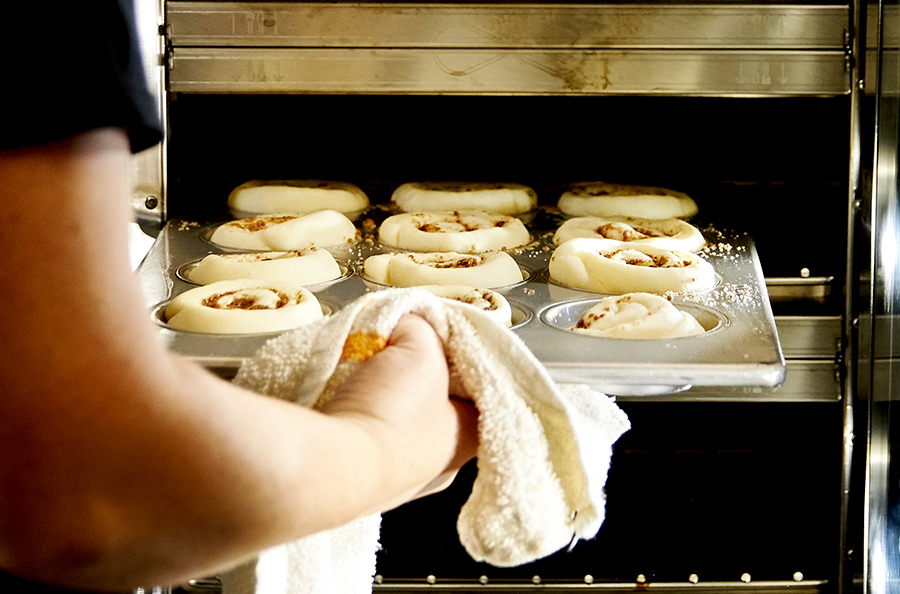
As retailers are rethinking how they execute fresh food programs, equipment innovation is at the center of that shift. Alto-Shaam designs solutions that simplify operations while delivering consistent, high-quality results. Their Vector Multi-Cook ovens utilize Structured Air Technology to enable true multi-menu cooking without flavor transfer, helping operators maximize throughput in a compact footprint. Paired with ChefLinc, their cloud-based remote oven management system, operators gain real-time visibility, recipe control, and data-driven insights across locations.
At the same time, Alto-Shaam’s Origin Multi-Cook convection ovens introduce next-generation convection capabilities tailored for speed, consistency and ease of use – critical for in-store baking and evolving prepared foods programs.
Together, these innovations are helping retailers execute fresh, on-demand food with fewer labor demands, greater consistency, and the flexibility to adapt to changing consumer expectations.
Closing the gap: six plays for 2026
Based on FMI’s 2025 data and what is working across the retailers leading the category, here are six concrete plays grocery operators can run heading into 2026:
- Lean hard into growth categories. Muffins, sandwich bread and croissants are where the dollars are moving. Audit assortment and shelf space against where consumer demand is actually heading — not where it was three years ago.
- Capture the protein trend. Consumers are aggressively prioritizing protein across every meal. Bake’n Joy’s Protein Predeposited Muffins are built specifically for this trend, giving bakery departments a turnkey way to participate without reinventing production.
- Reduce labor friction with predeposited and turnkey systems. Frozen, predeposited batters have been central to Bake’n Joy’s portfolio for more than 25 years for a reason: they let retailers deliver true fresh-baked quality without the labor load of scratch production. With more than 150 consumer-loved options across Ultra Moist, classic Homestyle, PanFree, Kitchen Cupboard Clean Label and Protein varieties, the workflow is simple — transfer the easy-release paper-lined frozen batter into pans (or PanFree muffins onto a baking sheet), add toppings and bake. Fresh muffins in minutes.
- Build the sensory experience deliberately. Stagger bake-offs throughout the day. Make production visible. Use signage to communicate baked-fresh times. The aroma and atmosphere are doing real selling work — let them.
- Partner across the value chain. No single supplier solves the entire bakery equation. The retailers winning the category are working across ingredients, finished products and equipment as a connected system rather than a stack of independent vendors. The collaboration between Bake’n Joy, Vandemoortele and Alto-Shaam exists for exactly this reason — it is the model the category is moving toward.
- Re-evaluate declining SKUs. Do not defend yesterday’s assortment by default. The pies, artisan breads and unit-declining doughnuts and cookies in your case may be earning their slots — or they may be the easiest growth opportunity you have. Look at the data and reallocate.
Looking ahead to 2026
The innovation frontier in fresh bakery is wide open. Protein continues to expand beyond traditional categories. Clean label remains a powerful purchase driver for the freshness-conscious shopper. And nostalgic flavors are resurging as consumers look for emotional connection alongside indulgence.
Bake’n Joy, Vandemoortele and Alto-Shaam — three family-led businesses with a combined heritage of nearly three centuries — are betting that the next wave of growth in fresh bakery comes from collaboration: shared product, equipment and operational expertise that lets retailers participate in every trend without rebuilding their bakery from the studs.
The renaissance is real. The roadmap is clear. The retailers who treat the in-store bakery as a strategic asset rather than a legacy department will spend 2026 winning trips, building loyalty and outpacing the channel.
Content contributors
- Michael Ogan, President, Bake’n Joy Foods, Inc.
- Charles Wood, VP of Sales and Marketing, Bake’n Joy Foods, Inc.
- Raoul Dexters, Country Manager Commercial USA, Vandemoortele USA Inc.
- Christine Hoguet, Marketing Manager USA, Vandemoortele USA Inc.
- Bill Rodgers, Director of Key Accounts, Alto-Shaam.
Bake’Up is a registered trademark of Vandemoortele. Vector, Structured Air Technology, ChefLinc and Origin are trademarks or registered trademarks of Alto‑Shaam. PanFree and Kitchen Cupboard are registered trademarks of Bake’n Joy Foods, Inc.
Sources
- FMI, The Power of Foodservice at Retail 2025 — Category Review: In-Store Bakery (NIQ Retail Measurement Services and NIQ Homescan Panel data, 52 weeks ending Aug. 9)
- FMI 2024 retailer study (via Food Business News)
- Innova Market Insights, Bakery Trends 2025