
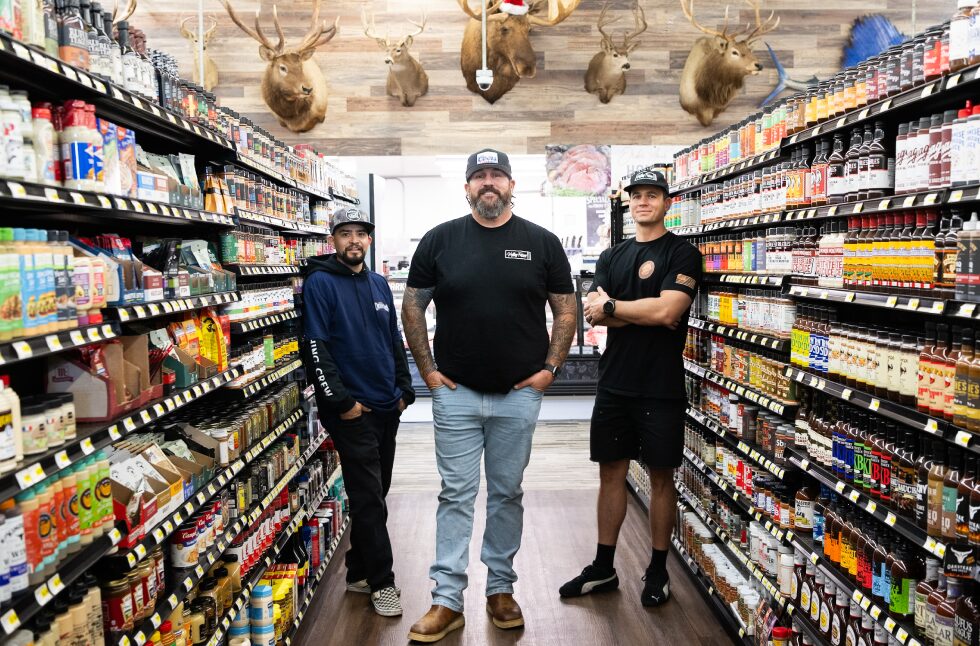

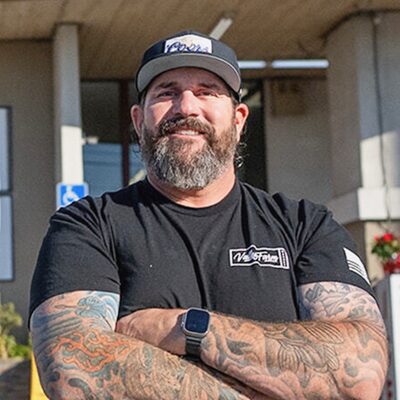
Valley Farm Market has been a fixture of East County San Diego since 1956. Derek Marso – third-generation owner, former NFL player and self-described servant leader – took over the family store with one conviction: independent grocers don’t have to compete on price. They compete on experience, specialization, and speed. Under his leadership, Valley Farm Market has grown from a single Spring Valley location into a three-store operation. We sat down with Derek to talk about what it actually takes to scale an independent grocery store – and the operational discipline that makes it possible.
Q: Valley Farm Market has been in your family since 1956. You came into the business from the NFL and a career in life insurance. What brought you back – and what did you want to build?
I always said I was never going to do grocery. My grandpa did it. My dad did it. I saw what they were going through. I went to Kansas State on a football scholarship, played in the NFL for a bit, then got into life insurance. I was making good money, but there was no substance. I didn’t have anything that soulfully fulfilled me. Money has never been my driver. I truly feel that I’m on this earth to be of service to people, and the more people I can touch, the better it is.
When my dad mentioned stepping back, I said I’d be interested – but we would have to go away from being a commodity store and really go toward being a specialty store. Businesses nowadays tend to be way more transactional. Come in, give me your money, get out. We try to be more than that. We’re so much more than a grocery store.
What’s different about being an independent is that when there’s a new trend, or something I want to go after, I can make that call. I am the board. I can make whatever decisions I want. We’re very easy to pivot. And I think that’s the future for independent grocery – stores that are nimble, that are rooted in the community, that can react fast. We like to create our own path. I don’t like to go down a road that’s been traveled a thousand times.
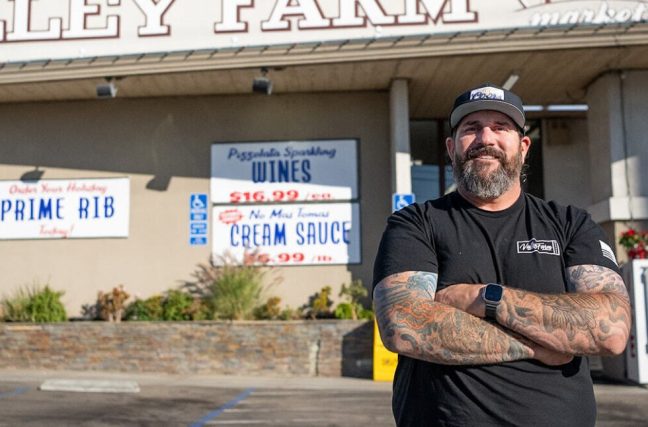
Q: Where do most independent grocers lose margin without realizing it – and what did that look like at Valley Farm Market before you addressed it?
It happens in the gaps. Sometimes what would happen is that we would receive a new item, it would go straight to the shelf, and it wouldn’t get entered into the system for two or three days. By the time someone created a price tag and put it out, those were days I wasn’t capturing the revenue I was supposed to be capturing.
We were using essentially a hardware company. Every time I needed something integrated, it was another thousand dollars. We were paying for all these programs, but not even scratching the surface of what they could do because there were so many of them.
For meat and produce especially, that lag has real cost. Those prices fluctuate constantly. You want to say your team is updating prices the same day, but I promise you they’re not. Not when the old process required sitting down at a computer, importing it, exporting it, and running through the whole thing. When you make that process hard, people find ways to put it off. And the store pays for it.
Q: How do you stay on top of vendor cost changes and pricing across three locations today?
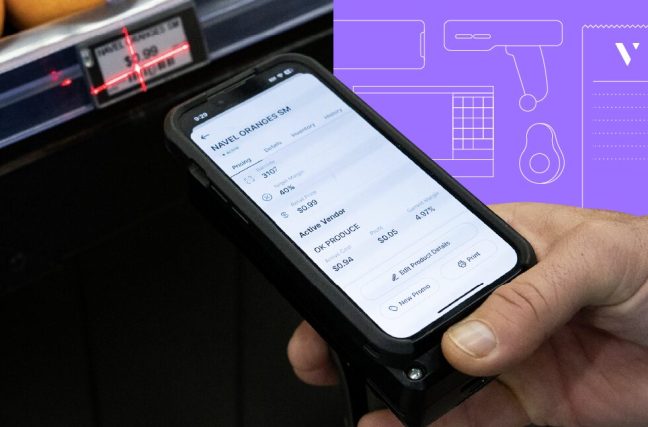
We switched to Vori, and the difference was immediate. Now I’m clicking it at the back door and instantaneously I’m making changes. I’m capturing revenue right away. For departments where prices fluctuate daily, when you make it as easy as it is, your team will actually do it. You can’t give me the excuse that you didn’t have time. It only takes 30 seconds to a minute now, where it used to take five or six minutes – and that’s if someone got around to doing it.
Vori’s pricing automation tool tells me when I’m losing on an item and need to change the price. It gives me a trigger according to my set target. That’s what protecting margin actually looks like day to day. Since making that shift, we’ve seen a 22 percent increase in net sales and saved 20+ hours per week across our meat and produce departments alone. That time goes back into the store – into the customer experience, into the team, into building the next location.
Q: You’ve talked about the importance of being able to pivot fast. How does real-time visibility change the decisions you make day to day?
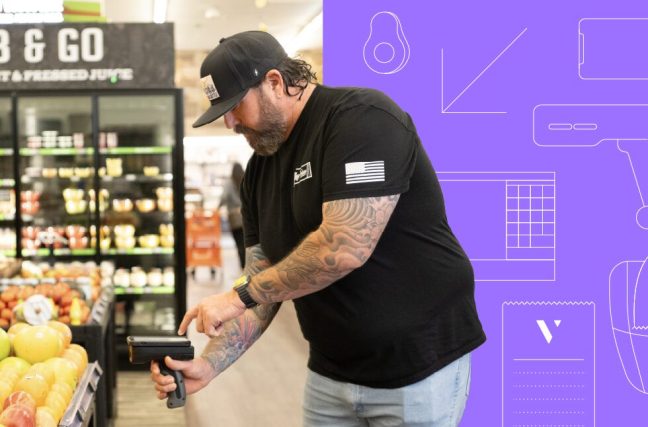
I love going around doing my audits with the mobile handheld. It is instantaneous. I know exactly where our prices are, what our margin should be, when we last ordered it. I do not have to pull reports, invoices, anything. You can go look at any department and ask the right questions right there on the floor – why haven’t we moved this, why is this deadweight still on our shelf, what are we doing? To have that instantly at your hands is huge.
And now I can be in the know at all times. I can look at my phone and see labor, see sales, see what is happening. I do not need to be in the store anymore to manage the store. With my old system, I needed to be physically present to see anything. When you see something, you can pivot. And when you can pivot fast, you can compete.
Q: What does Valley Farm Market look like five years from now?
We keep building. Going into markets people say won’t work, and proving them wrong. That’s been our pattern and I don’t see it changing. I truly believe that independent grocery – done right, with real hospitality, products people can’t find anywhere else, and a deep connection to the community – has a very strong future.
The way I see it, people are going to buy their commodity items online or at the big boxes. But for the stuff that matters – quality, experience, something that actually fills their cup – they’re going to come to stores like ours. And when I can be of service to more people, in more communities, that’s the whole point. That’s what gets me up in the morning.
A rising tide lifts all ships. I don’t need to keep this to myself. The more independent grocers that modernize, that find their niche, that build real relationships with their communities – the stronger this whole industry gets. And that’s something I’m genuinely excited to be a part of.
About Derek Marso
Derek Marso is the owner of Valley Farm Market, a third-generation independent grocery founded in Spring Valley, California in 1956. A former Kansas State football player and NFL veteran, Derek transformed the family business into a specialty destination known for premium meats, craft beer, chef-prepared foods, and exceptional hospitality. Valley Farm Market now operates three locations across San Diego – Spring Valley, La Jolla, and Del Mar – and leverages Vori across all locations. If you’re looking for an all-in-one grocery POS system to protect margins and grow sales, check out vori.com.