
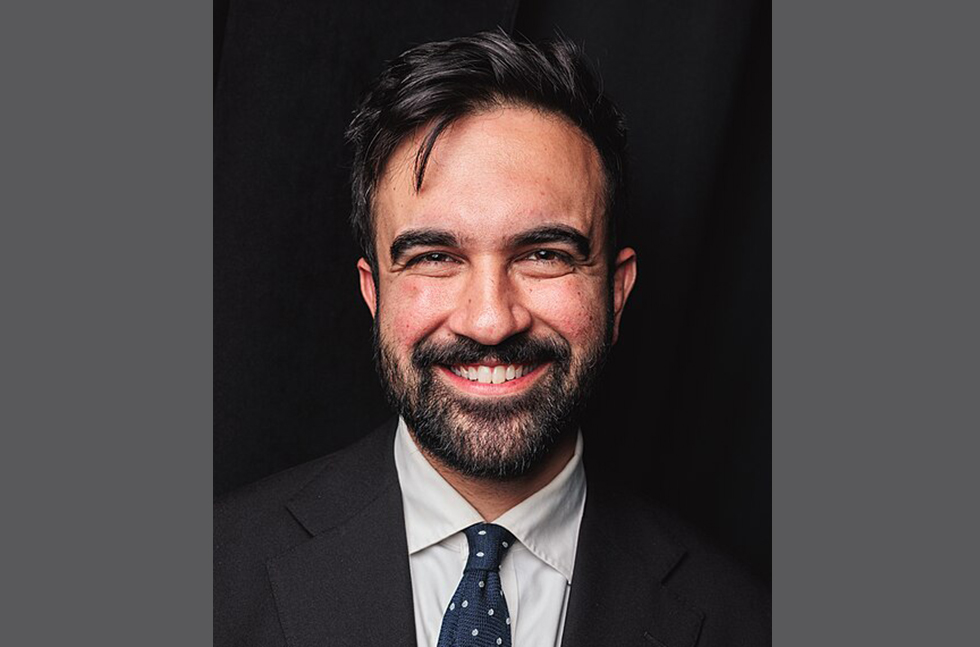
One hundred and two days after taking over as mayor of New York City, Zohran Mamdani delivered his 100 Day Address on April 12, making good on his promise of city-run grocery stores opening around the city.
Before speaking of the stores, Mamdani reminded the New Yorkers gathered that he ran as a Democratic socialist. Among his initial priorities have been universal childcare programs, affordable housing, worker and consumer protections and public safety.
Like Milwaukee’s Mayor Daniel Webster Hone from the early 1900s, whom Mamdani referenced in speech, “to deliver this great society, we should tax the rich.”
Turning his attention to the grocery stores – one of the most controversial platforms of his mayoral campaign – Mamdani said, “During our campaign, we promised New Yorkers that we would create a network of five city-owned grocery stores – one in each borough. Today, we make good on that promise.
“I am proud to announce that we will open every single one of these stores by the end of our first term. And the first one will open next year. [They will be] stores where prices are fair, where workers are treated with dignity and where New Yorkers can actually afford to shop.
“At our stores, eggs will be cheaper. Bread will be cheaper. Grocery shopping will no longer be an unsolvable equation.”
He noted that grocery prices in the city have gone up since the COVID-19 pandemic and have not come down.
“We feel it every time we go to the store. Between 2013 and 2023, grocery prices increased in New York City by nearly 66 percent, significantly higher than the national average,” he said.
The first store will open in East Harlem (El Barrio) at La Marqueta, the public market founded by former mayor Fiorella LaGuardia. It opened in 1936 so that area residents could buy affordable fruits and vegetables.
The new El Barrio store will be built on city-owned land that is sitting empty, Mamdani said in his speech, adding that it is a neighborhood where nearly 40 percent of households received public assistance via Supplemental Nutrition Assistance Program (SNAP) benefits in the past year.
“Some will insist that city-owned businesses do not work, that government cannot keep up with corporations. My answer to them is simple: I look forward to the competition. May the most affordable grocery store win,” he said.
While supporters see city-run stores as a way to provide residents in areas historically designated as food deserts with affordable groceries, opponents have concerns about the stores competing with private businesses, costs of operations and staffing and long-term profitability, which is needed to keep the doors open.