Consumer expectations are shifting from “healthy indulgence” to sensory experience – here is what is driving basket rings right now.
In February, The Shelby Report outlined how protein-forward formulations, viral bakery moments and smart bake-off strategies were redefining the in-store bakery (ISB) in 2026. Three months later, those trends have not faded – they have fragmented. Shoppers are still chasing functional benefits, but they are now equally obsessed with how a product feels, how big the portion is and how boldly it flavors.
New data from the first half of 2026 shows that texture, miniaturization and tangy flavor profiles are the fastest-growing demand signals in bakery. For operators, this means the ISB must now function as both a wellness destination and a sensory playground.
1. Texture mashups become the second-fastest-growing trend in bakery
If your February playbook was built around protein, your spring lineup should be built around mouthfeel. According to Puratos’ Taste Tomorrow research, texture mashups are now the second-fastest-growing trend in the bakery category, behind only the enduring sourdough movement. The reason is numerical: 71 percent of consumers say texture is a key driver of food enjoyment, and 67 percent are actively seeking novelty through unexpected mouthfeels.
Crunchy and crusty profiles are leading the charge. Online conversations around crunchy bakery textures are forecast to grow another 19 percent in 2026 after a strong 2025. The trend is so sensory-driven that ASMR-related food searches are scoring consistently above the global average, with consumers literally buying with their ears as much as their eyes.
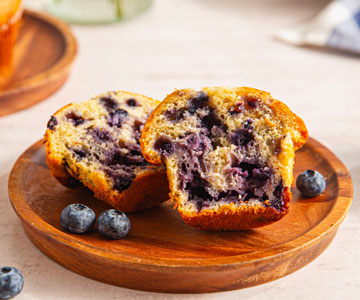
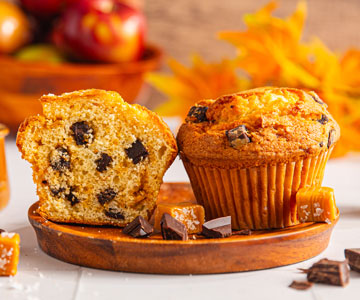
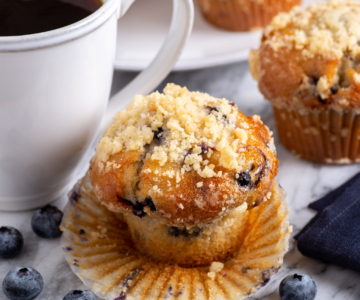
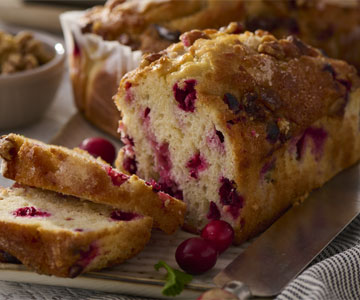
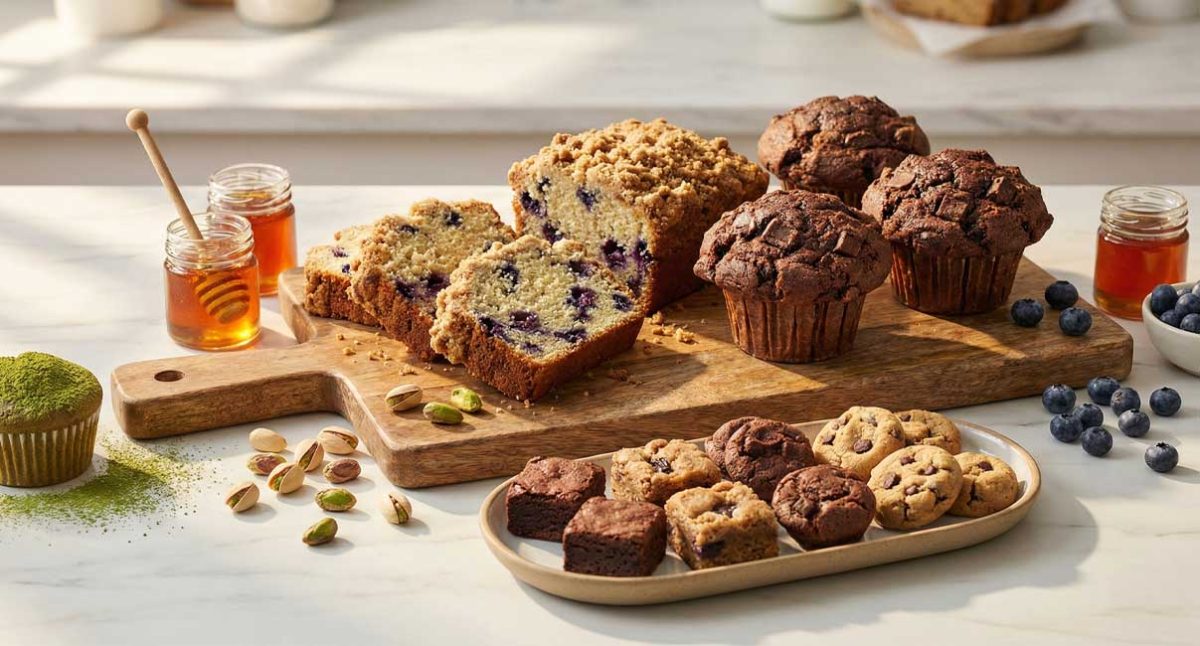
What this means for Bakeries: Layered products – streusel-topped loaf cakes, muffins with crunchy inclusions, or coffee cakes with dual-texture ribbons – deliver the contrast shoppers crave without requiring new equipment. An operator running a standard blueberry muffin batter, for example, can finish it with a crunchy oat-and-honey streusel or a tangy lemon glaze to hit the texture trend without reformulating from scratch.
2. Sourdough breaks into sweet goods
Sourdough remains the most talked-about trend in bakery, but its trajectory has shifted. It is no longer just an artisan bread story. Sweet baked goods launches featuring a sourdough claim grew 31 percent worldwide last year, with 33 percent more growth forecast for 2026. The real acceleration is in sweet applications: online interest in “sourdoughnuts” jumped 172 percent, sourdough focaccia rose 141 percent and cinnamon raisin sourdough climbed 115 percent.
The health halo is the engine. Fifty-eight percent of consumers believe sourdough makes bread healthier, and 70 percent say it improves flavor. According to Puratos, searches for “sourdough bread gut health” surged 99 percent, giving consumers permission to treat themselves if the product carries a fermentation story.
Bakery opportunity: Sourdough is entering muffins, pastries and even coffee cakes. Operators should look for wholesale partners offering sourdough-based mixes or bases that can be deployed across the bakery case, not just the bread wall.
3. The mini movement – portion control meets snacking lifestyle
The “Ozempic effect” and broader wellness culture have made smaller the new normal. Sixty-nine percent of consumers actively seek portion-controlled snacks, and 60 percent of millennials choose smaller formats to manage weight without giving up pleasure. The snacking mindset is now entrenched: 65 percent of consumers snack more than they did last year, and six in 10 identify as “snack adventurers.”
The search data is even more dramatic. Searches for “mini desserts near me” shot up 400 percent during Q2 2025, while online conversations about mini tartlets skyrocketed 1,500 percent in the same period.
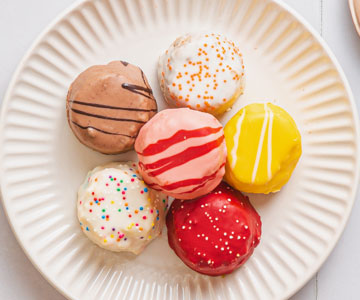
Bakery opportunity: Mini muffins, brownie bites and two-bite coffee cake squares turn a single-serve department into a multi-occasion destination. The key is merchandising: package minis as “morning coffee pairings” or “afternoon snack packs” rather than just smaller versions of existing items.
4. Tangy, bold and global flavors replace ultra-sweet
Palates are evolving away from intensely sweet profiles toward balanced, complex and bold flavor experiences. In 2026, lemon zest, fruity sour flavors and tropical citrus are predicted to lead cakes, desserts and patisserie. Yuzu is moving from specialty menus to mainstream bakery cases, offering a lighter, more aromatic alternative to traditional lemon. Meanwhile, 64 percent of consumers say they want to try exotic tastes from other parts of the world.
The shift is partly health-driven. As Dan Jones of British Bakels notes, flavors that refresh, cleanse or stimulate – such as citrus, sour-spicy combinations and aromatic ingredients – are gaining momentum as consumers, including those on GLP-1 medications, experience sweetness, richness and volume differently.
Bakery opportunity: Seasonal muffins and loaf cakes are the ideal testing ground. Instead of defaulting to double-chocolate or vanilla, operators can rotate in calamansi-ginger muffins, passionfruit-glazed loaf cakes or yuzu-blueberry coffee cakes.
5. Clean label and heritage authenticity move from niche to expectation
While not new, the clean label push has hardened into a baseline expectation. Consumers are scrutinizing ingredient lists and seeking products that feel less processed and more “real.” Heritage and traditional recipes are seeing renewed interest, with more products carrying “authentic” or “traditional” claims as proof of origin.
This is where legacy suppliers have an edge. For retailers, partnering with established wholesale bakers who can tell a multi-generational quality story helps satisfy the consumer demand for transparency and trust.
6. Limited editions as a traffic engine, not a tactic
Seasonality and limited-time offers (LTOs) are no longer just calendar fillers – they are structural growth tools. Ninety-one percent of consumers are more likely to buy from chains offering LTOs, and limited-edition bakery products have grown 38 percent. Seventy-one percent of consumers actively seek seasonal flavors.
The most successful In-Store Bakeries in 2026 are treating LTOs as rotating collections rather than one-off promotions. Spring might feature blueberry-lemon loaf cakes; summer could shift to strawberry muffins; fall returns to apple cider and pumpkin spice.
Seasonal portfolios such as Apple Cider, Pumpkin Spice, Carrot Raisin, Strawberry and Peach – maps directly onto this strategy. Retailers can use these predeposited batters to launch LTOs with minimal labor risk, knowing the base quality is consistent while the finishing and messaging change by season.