
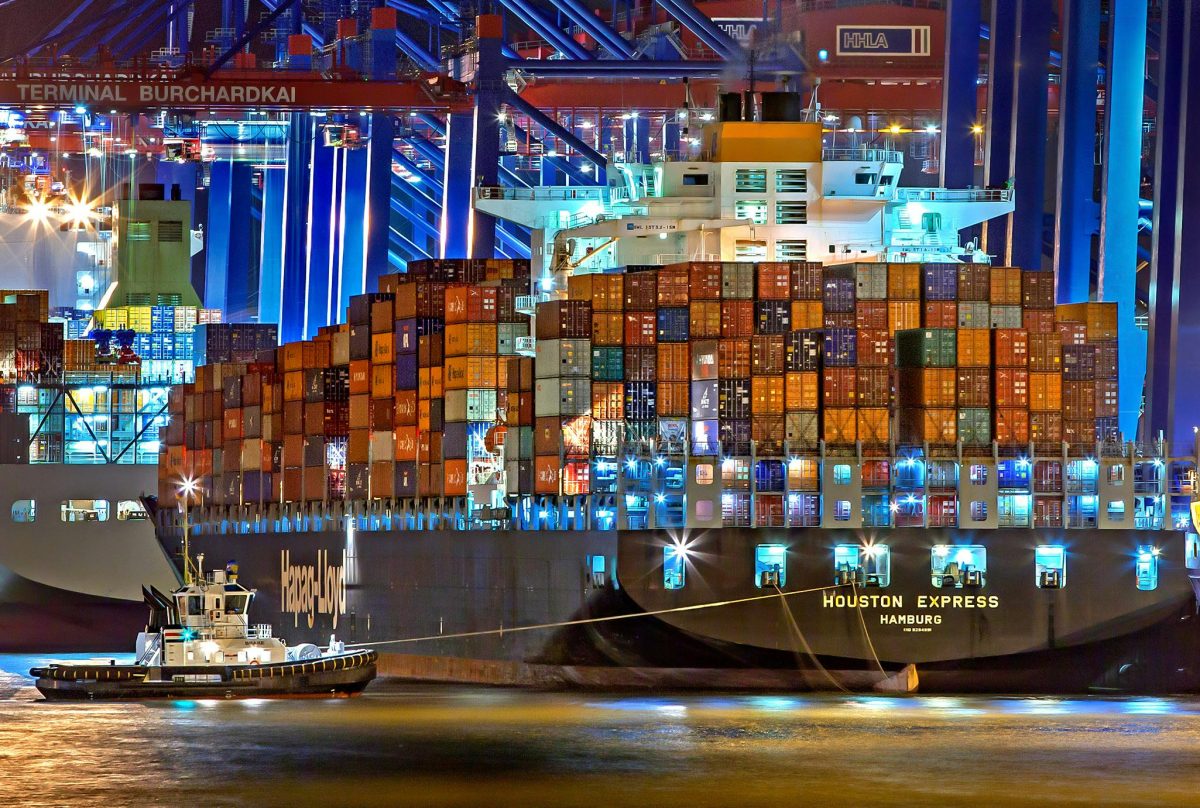
U.S. container port volumes are not being significantly disrupted by the conflict in the Middle East, but rising fuel costs tied to the blockage of the Strait of Hormuz could eventually affect retailers and consumers, according to the latest Global Port Tracker report from the National Retail Federation and Hackett Associates.
“Just because retailers don’t import a lot of merchandise from the Middle East doesn’t mean the U.S. supply chain isn’t affected by the turmoil there,” said Jonathan Gold, NRF VP for supply chain and customs policy. “The supply chain is global and disruptions anywhere along it can have ripple effects.”
Gold said retailers continue to face rising tariffs and trade policy uncertainty that are putting downward pressure on imports and upward pressure on prices. President Donald Trump last month announced a temporary 10 percent global tariff under the Trade Act of 1974 after the Supreme Court ruled against the use of tariffs under the International Emergency Economic Powers Act. He also recently adjusted Section 232 tariffs on steel, aluminum and copper and announced new Section 232 tariffs on pharmaceutical products and ingredients.
Fuel Costs Rising
Ben Hackett, founder of Hackett Associates, said that while the U.S. is not facing fuel shortages at its ports, international pricing is driving up the cost of shipping containers in both directions. Ports in Asia that depend on fuel from the Persian Gulf could face shortages if the conflict is not resolved soon, he said. It is too early to assess the impact of a two-week ceasefire announced Tuesday.
“Higher fuel costs drive up the price of shipping a container for either import or export and ultimately have an inflationary impact on consumers and other end users,” Hackett said.
Volume Forecasts
U.S. ports covered by the report handled 1.95 million Twenty-Foot Equivalent Units in February, down 4.2 percent year over year. February is traditionally the slowest month due to Lunar New Year factory shutdowns in Asia.
Looking ahead, April is forecast at 2.08 million TEU, down 5.6 percent year over year. May and June are projected up 7.3 percent and 6.9 percent, respectively, largely because of sharp import declines during those months last year following the April 2025 “Liberation Day” tariffs. July is forecast down 8 percent and August down 6 percent.
First-half 2026 imports are projected at 12.3 million TEU, down 1.8 percent from the same period in 2025. Full-year 2025 imports totaled 25.4 million TEU, down 0.3 percent from 2024.
NRF is a Washington, D.C.-based trade association representing the retail industry.