
Price has become the dominant factor in grocery purchasing decisions, with 70 percent of consumers citing price or value as the top influence when shopping for snacks and beverages, according to new findings from Zappi’s CPG Mega-Trends Report.
The nationally representative study of 2,000 U.S. consumers found that more than 90 percent have adjusted their shopping behavior in response to rising costs, and nearly one-third say they will buy the least expensive option on shelves that meets their needs regardless of brand.
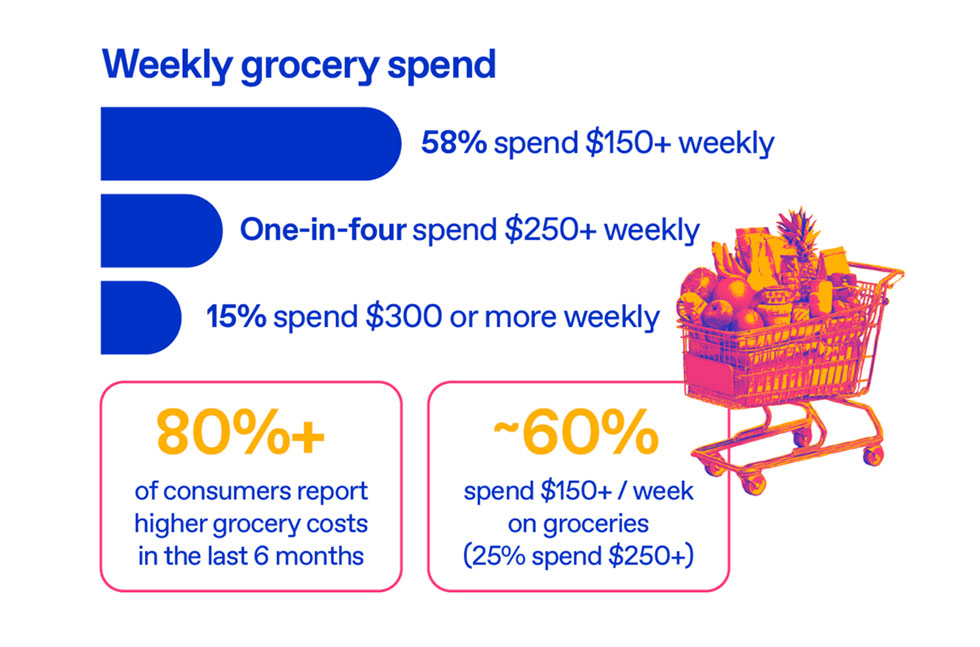
More than 80 percent of consumers report higher grocery costs over the past six months, with more than one in four seeing increases of more than $50 per week.
Nearly 60 percent of Americans spend more than $150 per week on groceries and one in four spend at least $250 weekly.
Among households with multiple children, 52 percent reported weekly bills above $200, with 10 percent spending $400 or more weekly.
Financial strain is also showing up in unexpected ways. Twenty-two percent of respondents said they rely on food banks or community assistance for groceries, while 11 percent report using Buy Now, Pay Later services for grocery purchases.
Brand loyalty in retreat
The share of consumers who buy only brand-name products has fallen from 21 percent to 10 percent compared to Zappi’s 2025 tariff research.
Those purchasing a mix of brand-name and store-brand items jumped 12 points year over year, from 56 percent to 66 percent.
Consumers willing to pay for products “at any price” also declined, from 21 percent to 14 percent for snacks and from 24 percent to 17 percent for beverages.
To manage costs, consumers across all income levels are using coupons or promotions (46 percent), switching to store brands (40 percent), buying only essentials (38 percent) and buying fewer items (34 percent).
Price sensitivity across categories
A 5-10 percent price increase would stop purchases for the majority of shoppers in multiple categories, including cosmetics (62 percent), sweet snacks (55 percent) and beverages (51 percent). Nearly 70 percent said they are willing to accept fewer product options to keep prices down.
Brand values still matter at the margins. About four in 10 consumers boycotted at least one brand last year, including 22 percent who boycotted multiple brands.
But just 12 percent said they would pay “a lot more” for brands aligned with their values, and nearly half said they would not pay more at all.
Health claims hold, but price wins
Health-related product attributes remain influential, with 40 percent of consumers saying they are more likely to purchase products labeled “high protein,” 38 percent responding to “all natural” and 35 percent to “low sugar.” However, nearly one-third still default to the least expensive option regardless of those claims.
Nataly Kelly, CMO at Zappi, said the data points to a structural shift that CPG companies need to confront.
“Consumers are under real financial pressure, and with nearly one-third willing to buy the cheapest option that meets their needs, the era of growth driven by price increases is coming to an end,” she said.
“For CPG leaders to transform their businesses, they will need to compete on value instead of price, innovating and simplifying their product portfolios in the process.”
[RELATED: EY Survey: Ingredient Scrutiny, Wellness Reshaping Beverage Purchases]