
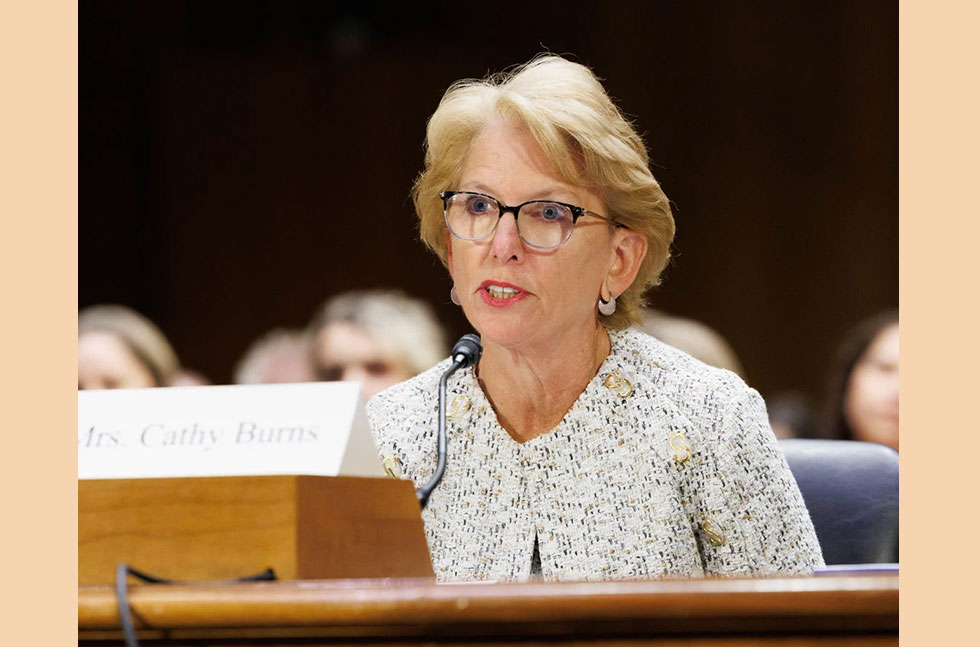
International Fresh Produce Association (IFPA) CEO Cathy Burns testified before the U.S. Senate Committee on Agriculture, Nutrition, and Forestry today, urging lawmakers to expand federal produce incentives, modernize nutrition programs and increase investment in U.S. growers – arguing that closing America’s fruit and vegetable consumption gap is both a public health and economic imperative.
Nine out of 10 Americans fall short of recommended daily fruit and vegetable intake, Burns told the committee, contributing to rising chronic disease rates and mounting healthcare costs.
Policy ask
Burns outlined five specific actions she urged Congress to take through federal nutrition programs: fully fund the WIC fruit and vegetable benefit and expand online redemption; strengthen produce incentives within SNAP; ensure school meals include a wide variety of fresh fruits and vegetables; expand the Fresh Fruit and Vegetable Program to more elementary schools; and modernize USDA procurement to prioritize nutritional value over lowest cost while increasing access to U.S.-grown produce.
She also called for embedding produce prescriptions as a standard benefit across federal health programs and allowing Health Savings Accounts and Flexible Spending Accounts to be used for fruits and vegetables.
“The science is clear: eating more fruits and vegetables is one of the most effective ways to improve health, prevent chronic disease and reduce health care costs,” Burns said. “Yet today, nine out of ten Americans fall short. We can – and must – do better.”
Economic case for growers
Burns tied consumer demand to the financial health of American agriculture. U.S. fruit and vegetable growers support more than two million American jobs and contribute more than $335 billion to the national economy, she noted.
“When we strengthen produce consumption, we strengthen American farmers,” Burns said. “This is a chance to improve public health while creating economic opportunity across rural communities.”
Challenges facing producers
Burns also sounded an alarm about the supply side. U.S. growers face rising input costs, labor shortages, regulatory pressure and increasing natural disasters. The country has lost more than 230,000 farms over the past two decades.
“America’s produce growers are ready to meet growing demand,” Burns said. “But they cannot do it alone. Strategic investment is essential to keep U.S. fruit and vegetable production competitive and resilient.”
She called for continued federal investment in specialty crop research, technical assistance, risk management tools, conservation programs and a coordinated national approach to produce packaging that balances sustainability, food safety, shelf life and affordability.
Food safety funding
Burns also pressed for sustained funding for the FDA’s Human Foods Program, consistent implementation of the traceability rule, and reliable support for state food safety programs — elements she described as foundational to a modern food safety system.
“Congress has a vital role to play in ensuring every American has access to fresh, nutritious fruits and vegetables,” Burns said. “With the right policies, we can improve health outcomes while strengthening U.S. agriculture and rural economies. IFPA and our members stand ready to collaborate with Congress to bring our policy priorities from the corridors of Congress to the farms and fields of our country.”
IFPA represents companies across the global fresh fruit and vegetable supply chain, from growers and shippers to retailers, foodservice operators and distributors.
[RELATED: IFPA Welcomes Ayoub As New Director Of Workforce, Business Policy]