
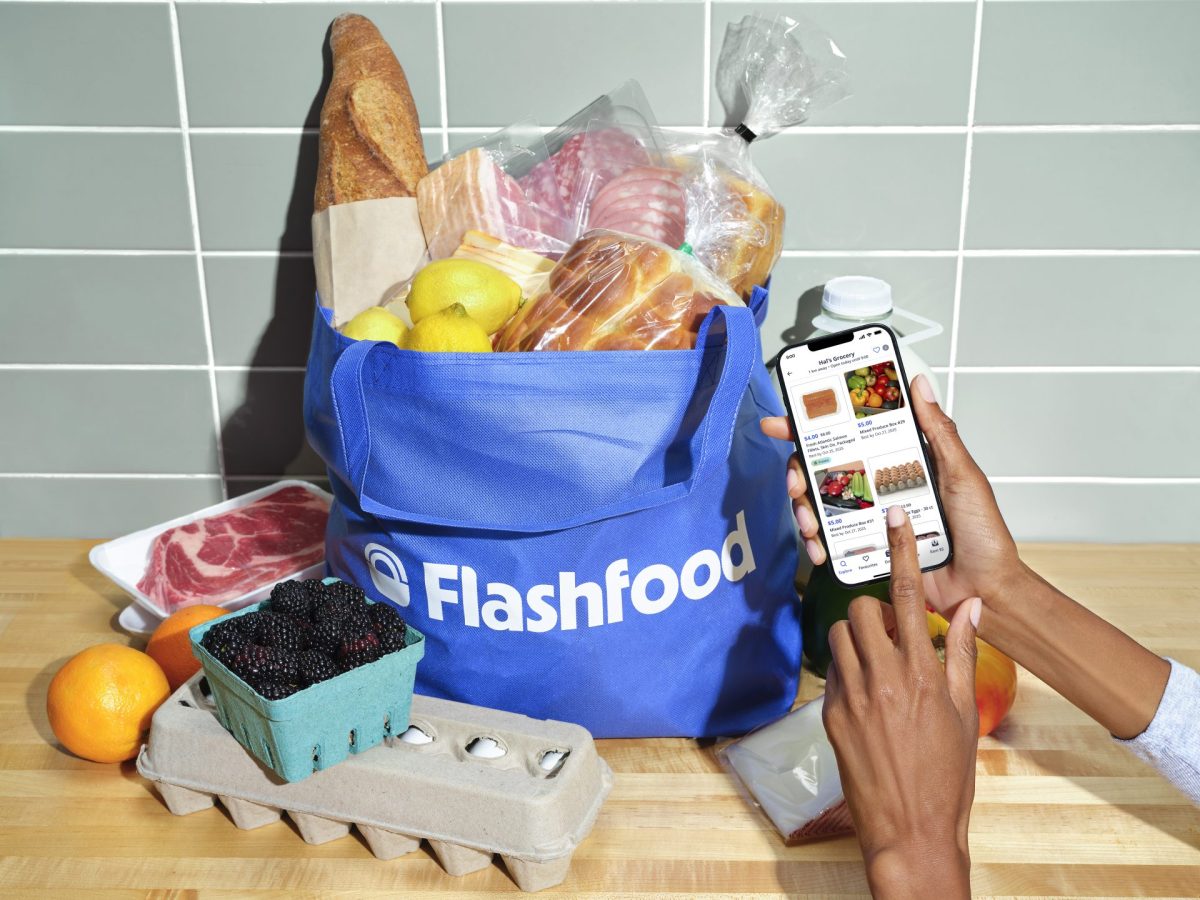
Demand for affordable meat and eggs on discount grocery app Flashfood surged in January as Americans grappled with rising grocery costs. Egg purchases were up 90 percent, while ground beef sales climbed 28 percent year over year.
Protein now accounts for more than 30 percent of all sales on Flashfood’s platform. Beef’s share of total sales on the app increased 47 percent between January 2025 and 2026.
The surge comes as the U.S. Department of Agriculture projects grocery prices will rise another 2.3 percent in 2026. Ground beef prices are up 15.5 percent compared to a year ago, and the Bureau of Labor Statistics reports meat, poultry, fish and egg prices increased 2.2 percent over the past 12 months.
Housing, healthcare and transportation costs continue consuming large shares of household budgets, intensifying pressure on consumers.
“These numbers tell a clear story about the durability of our food system and how innovation can facilitate getting people the food they need,” said Flashfood CEO Jordan Schenck. “The most nutritious food is more expensive today than it was a year ago, but retailers still need to offer it at affordable prices without burning their margins.
“The solution lies in addressing waste. Perfectly good food is going to landfills instead of dinner tables, which hurts consumers and burns revenue for the grocers at the same time.”
Emergency food system strained
Food pantries across the country are reporting record demand and serving more families than before.
The emergency food system is not built to support current levels of food insecurity, and uncertainty about government aid to fund these programs puts additional pressure on an already strained system.
Early research from Gies College of Business at the University of Illinois Urbana-Champaign shows Flashfood is having measurable impact on food insecurity in communities it serves.
A dissertation exploring technology’s role on the food supply chain found that on average, one Flashfood store reduces a county-level food insecurity rate by 0.090 percentage points – translating to about 860 people per county, or an estimated 146,000 people across all counties where Flashfood operates.
The platform complements the role food banks and emergency food assistance programs play. Families can rely on food banks for canned and nonperishable pantry staples, while using Flashfood to affordably source fresh produce, meat and dairy that would otherwise go to waste at the retail level.
Flashfood partners with major retailers across North America to sell surplus fresh food at affordable prices, helping families stretch budgets while keeping food out of landfills.
To date, the company has rerouted more than 145 million pounds of food from landfills while saving shoppers more than $370 million on groceries. The B-Corp certified company is partnering with more than 2,000 stores across North America.
[RELATED: Flashfood Names Zhu As VP Of Engineering To Lead Tech, AI Innovations]