
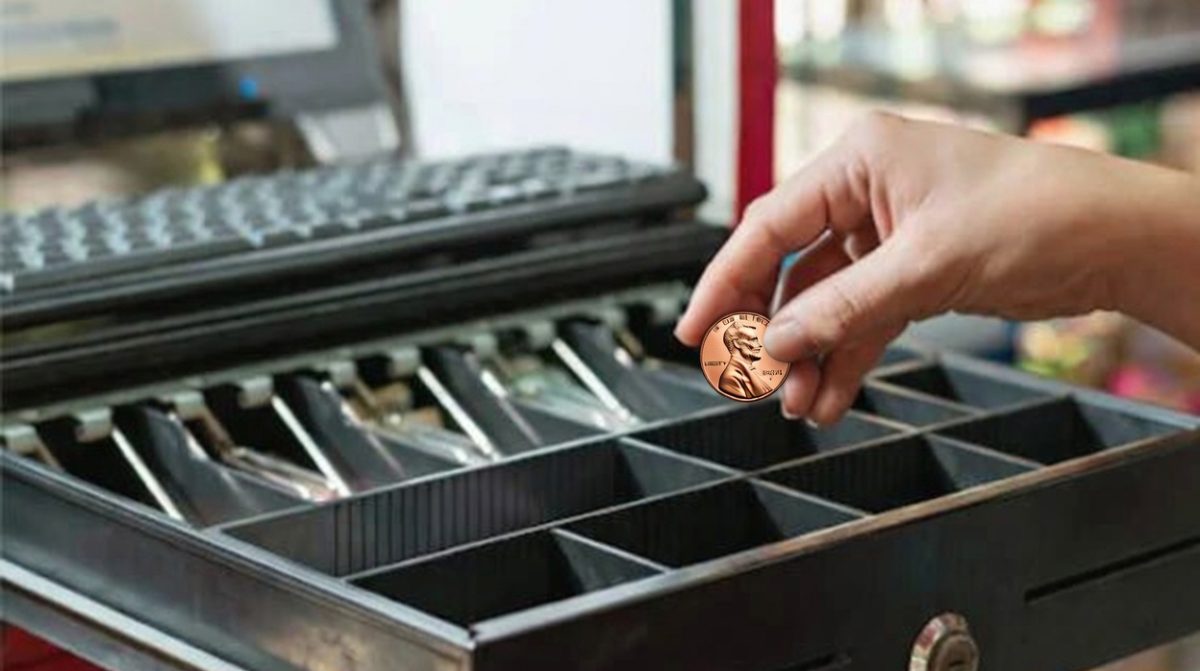
Independent grocers across the country are navigating a growing penny shortage that is disrupting cash-handling routines and raising compliance questions at the register.
Months after the U.S. Treasury Department confirmed the U.S. Mint had stopped producing new pennies for circulation in late 2025, retailers are feeling the effects of a coin supply that is thinning faster than many anticipated.
The National Restaurant Association reports that about 60 percent of private coin-handling operations have stopped moving pennies altogether, causing coins to get stuck rather than recirculating to businesses.
On Jan. 14, the Federal Reserve resumed accepting penny deposits from banks and credit unions at commercial coin distribution locations in an effort to ease the bottleneck.
Retailers respond with rounding policies
Major chains have begun adapting. Kroger stores are asking customers paying with cash to provide exact change, while Target and Whole Foods locations that run out of pennies have started rounding change to the nearest nickel in the customer’s favor.
For independent grocers operating on thin margins, the per-transaction losses from rounding down, even just 1 to 4 cents, can add up quickly.
The Treasury Department has released guidance recommending a “simple rounding method” that rounds cash totals to the nearest 5 cents, but it has emphasized that is non-binding and does not override existing laws.
NGA pushes for national standards
The National Grocers Association is advocating for passage of the Common Cents Act, bipartisan federal legislation that would establish a uniform national approach to rounding by preempting the patchwork of local, state and federal regulations currently in play.
NGA also has joined a coalition of food industry leaders calling on the USDA to issue immediate guidance for SNAP-authorized retailers, as the Treasury’s rounding recommendations conflict with SNAP equality provisions.
“Independent grocers are committed to ensuring compliance with all federal regulations and laws while continuing to serve their customers fairly,” said Max Wengroff, NGA senior government relations manager. “However, the abrupt halt in penny production has created operational and compliance challenges for stores across the country.”
[RELATED: NGA, Food Industry Groups Seek USDA Clarity On Penny Shortage, SNAP Rounding]
States step in as federal standards lag
In the absence of federal action, several states are crafting their own solutions.
In Arizona, lawmakers have introduced SB 1108 to establish “Swedish rounding” rules and require merchants to post signage at the point of sale.
Indiana legislators are developing statewide rounding policies, though the Indiana Retail Council has noted the inconsistency that persists as retailers take matters into their own hands.
Oklahoma and New York have introduced their own versions of common cents legislation.
Until a national standard is established, NGA recommends that retailers post signage throughout their stores explaining how cash transactions are being handled, a simple step that can help build customer trust during an uncertain transition.

Buy pennies from ebay & spend them.