

Independent retailers face tight budgets and rising operational costs. These pressures are felt even stronger these days as consumers remain hyper-focused on grocery prices and affordability. Refrigeration equipment – critical for merchandising fresh and frozen products – represents a significant investment for retailers. Getting the most out of that investment starts with investing in the right merchandiser, but it doesn’t end there. It’s about keeping it running efficiently, reducing downtime and leveraging technology to drive savings.
We asked a team of refrigeration experts from Hussmann, how retailers can optimize their refrigeration systems and aftermarket services to save money, improve reliability and boost merchandising performance.
Why does installation and ongoing maintenance matter for retailers trying to control costs?
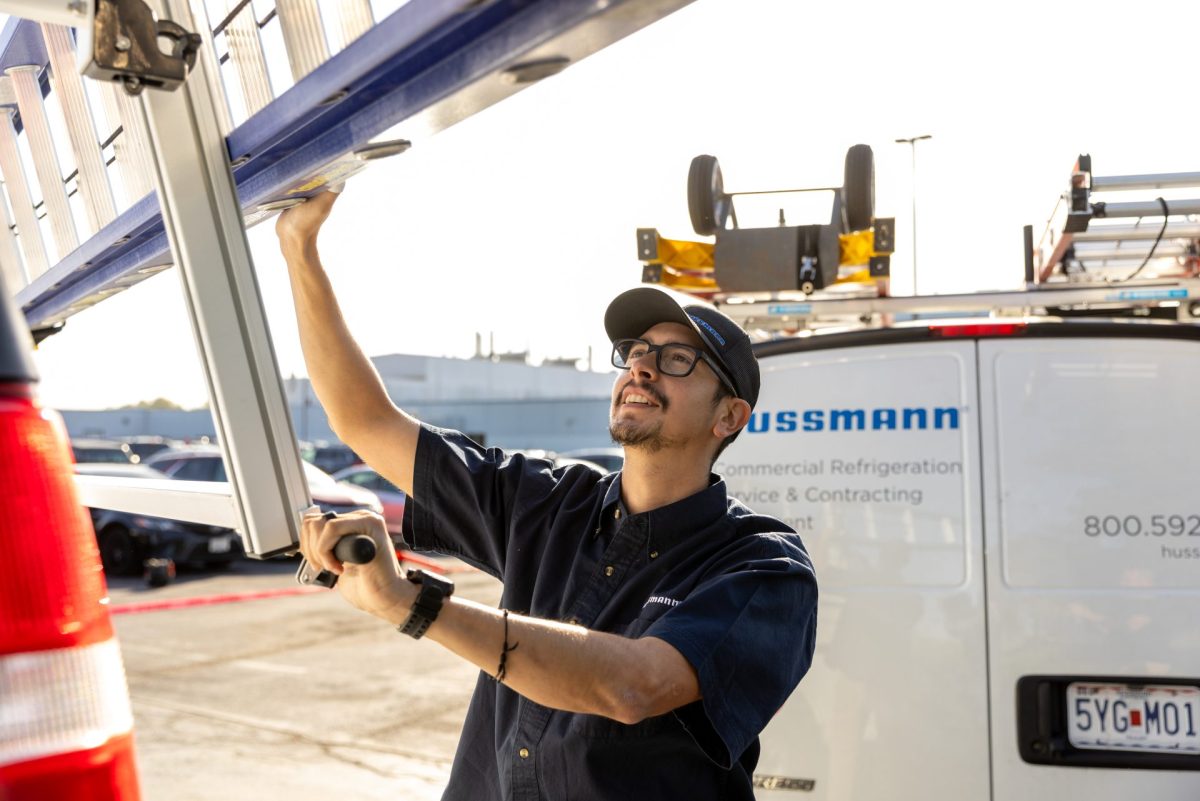
Even the best equipment underperforms if installed incorrectly. Retailers should work with certified service and installation teams who understand the nuances of refrigeration systems. Proper setup reduces energy waste and extends equipment life. Ongoing maintenance – cleaning coils, checking fans, inspecting defrost cycles – keeps systems humming. It’s not just about fixing problems; it’s about preventing them.
How can technology help retailers stay ahead of equipment issues instead of reacting to them?
Connected refrigeration systems provide real-time data on performance, temperature, and energy usage. This insight paired with machine learning and AI trained by equipment and service experts enables retailers to move from reactive repairs to predictive maintenance – addressing issues before they cause downtime. Predictive strategies reduce emergency service calls, extend equipment life, and lower total cost of ownership. It’s like having a health manager for your refrigeration systems and merchandisers that can alert you earlier to issues like refrigerant leaks, limit compressor damage, and more.
Hussmann’s background as an OEM along with an extensive team of service and installation teams gives our solution (StoreConnect) unrivaled access and data to drive greater insights that results in big savings for retailers. In year one, customers have seen up to 40 percent leak rate reduction, 25 percent reduction in service costs, and key savings on energy.
What steps can retailers take to avoid costly downtime and keep stores running smoothly?
The first place we recommend is looking at the availability of parts. Just like car maintenance, having reliable and readily available replacement parts is critical to refrigeration uptime. Using the right parts ensures equipment runs at peak efficiency, reducing energy costs and preventing breakdowns. Fast delivery matters – downtime equals lost sales. Partnering with suppliers who have an educated team to identify the correct part quickly can save hours of troubleshooting or endless searching. Think of it as protecting your investment: the right part today can prevent a major failure tomorrow
And in today’s market, speed is what matters. Hussmann partners with distributors across North America to stock many parts locally – and our online store allows for easy part identification (with support from our team of experts) and fast delivery.
Top-of-mind for all retailers is reducing waste and driving sales. Any recommendations for retailers on how your products and services can help?
That starts with the right equipment. It might sound odd, but at Hussmann we design merchandisers to almost be invisible. If customers don’t notice our equipment, it means we’ve done our job. We want to reduce barriers to visibility and invite shoppers to reach in and grab the wonderful merchandise they desire.
These days flexibility (capability to merchandise different items based on promotional benefit), mobility (bringing refrigerated goods into shopping areas outside of the perimeter), and performance (food safety is always critical) are where our customers are focused.
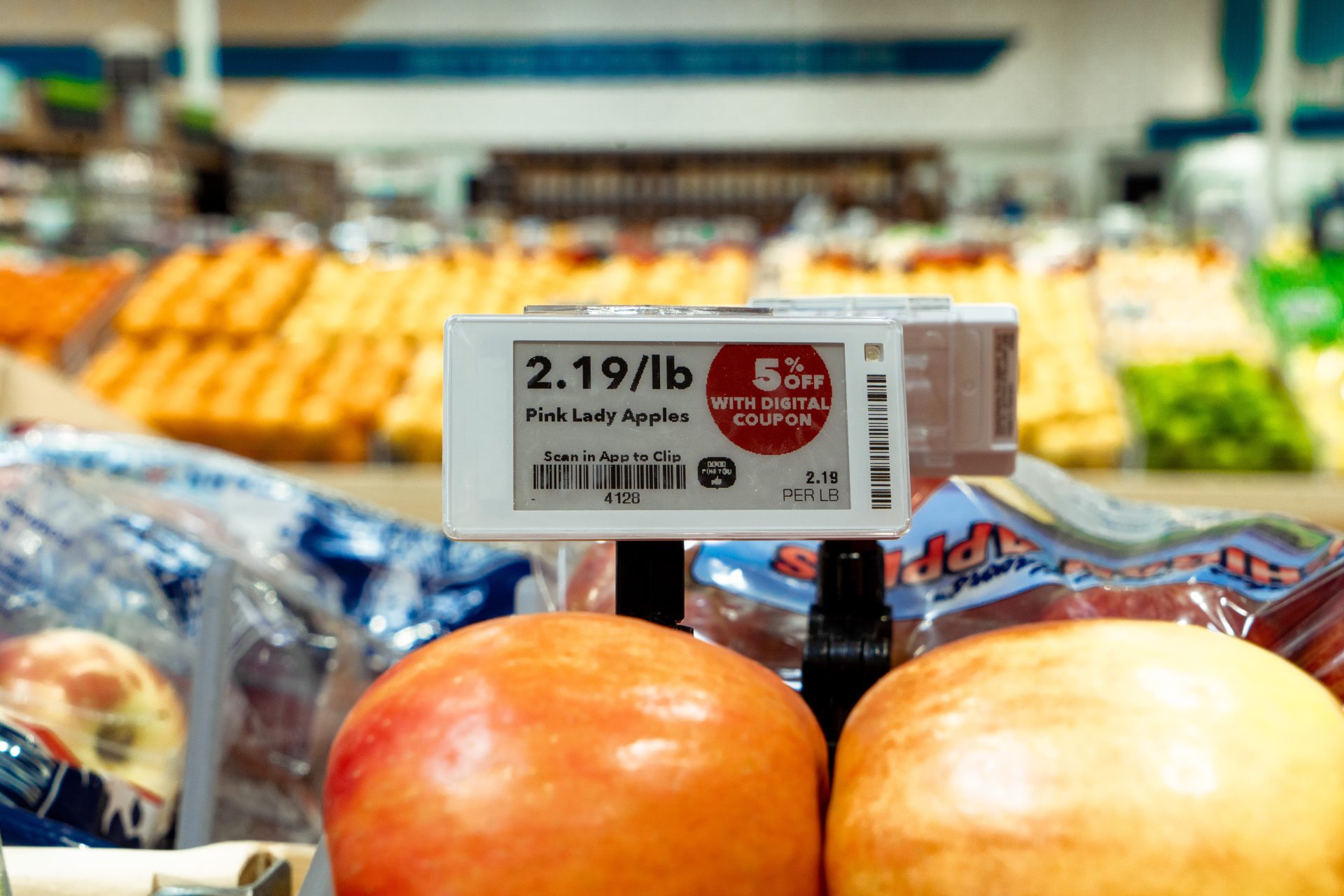
But outside of the refrigeration equipment, the industry is quickly shifting towards Electronic Shelf Labels to enable more promotional flexibility and speed. ESLs aren’t just about pricing any more, they’ve become a customer engagement tool. They allow retailers to update promotions instantly, move inventory faster, and reduce markdown waste. When paired with refrigeration equipment, ESLs help highlight fresh products and seasonal items, driving impulse buys. For independents, this means better margins and less shrink.
How do these strategies work together to help independents compete?
It’s about creating a smarter, more resilient operation. By combining quality equipment with skilled service, connected technology solutions, readily available high-performance parts, and merchandising tools like ESLs, retailers can maximize uptime, reduce waste and improve profitability. These aren’t just technical upgrades – they’re business strategies that help independents compete and win in an evolving market.
Rethinking refrigeration
Refrigeration is more than cold storage – it can become a profit center. With the right aftermarket support, connected solutions and merchandising tools, independent retailers can turn equipment into an advantage, not just a cost. Tight budgets don’t have to mean cutting corners; they mean making smarter choices that keep systems running longer, better and more efficiently.
[RELATED: How Refrigeration Regulations Are Impacting Retailers And How To Prepare]