
In December 2024, Invest Atlanta – the official economic development authority for the city of Atlanta – announced millions of dollars in grants to bolster fresh food access in underserved areas around the city.
The first announcement was Invest Atlanta providing $8 million in funding for two stores to be operated by independent operator Savi Provisions. The first, Azalea Fresh Market, opened in October.
Quickly following that announcement, Invest Atlanta revealed that more than $750,000 would be given to already-established grocery operators in the city to enhance their businesses, in line with Mayor Andre Dickens’ goal for 2030: all Atlantans will have a store to get fresh, affordable food within half a mile of their residence.
[RELATED: Azalea Fresh Market Opens As Atlanta’s First Municipal Grocery Store]
Not only would the grantees be given money to put into their operations – up to $50,000 each – but they also would receive “ongoing support, resources and technical assistance” through the Independent Grocers Alliance.
Much of the technical assistance has come in the form of Jimmy Wright, an independent IGA retailer based in Opelika, Alabama, who has been busy with his own operation in addition to serving as an operational consultant for the Atlanta retailers on behalf of the alliance.
Many of the grocers needed improvements to the physical store, such as a roof, HVAC or point-of-sale system; “it just kind of ran the gamut of investments that were needed,” Wright said. “It’s getting the buildings repaired and equipment repaired and all that, just trying to make the little stores better.”
IGA’s involvement with Invest Atlanta actually grew out of conversations around Georgia Grown, a Georgia Department of Agriculture initiative to promote crops and state-made products.
IGA was working with Georgia Grown on advertising campaigns with alliance members in Georgia. Around the same time, the city of Atlanta was contacting the ag department to see if it knew of anyone who could provide technical assistance to grocers in underserved areas.
“What the city of Atlanta is doing for food access is revolutionary within the United States,” said Ashley Page, VP of marketing and public affairs for IGA.
“You have to give a ton of credit to Mayor Dickens, the city of Atlanta and Invest Atlanta, which we have worked so closely with on opening new stores but also recognizing that there was a need to shore up the independent operators who already existed in the city.”
Meeting entrepreneurs where they are
“Entrepreneurship and the American Dream are alive and well in Atlanta, Georgia,” said Wright, referring to the varied formats that received grants from Invest Atlanta.
“We see people feeding the city of Atlanta in various business models.”
Sevananda Natural Foods Market Co-op, which has been in business for 49 years on Moreland Avenue, used grant money to make improvements to its physical structure.
Carver Market, a store that Wright has been consulting with for about 10 years, needed an updated POS system as well as new ceiling tiles. A competitor opened a store about a mile and a half away, so “Carver Market 2.0” is under way.
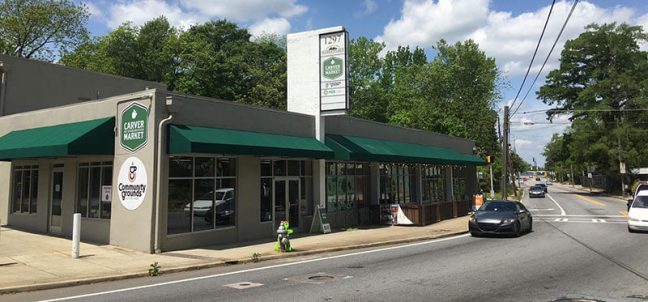
The store has remerchandised its aisles, a process that involved “a fresh set of ordering tags, putting some new items in, taking some other items out,” said Wright, who continues to offer counsel on operational matters, such as making sure it is taking full advantage of the services offered by its wholesaler.
“The store will still be relevant, I don’t think there’s any question about that,” Wright said. “But now we’re back to product mix as the neighborhood changes and competition changes.”
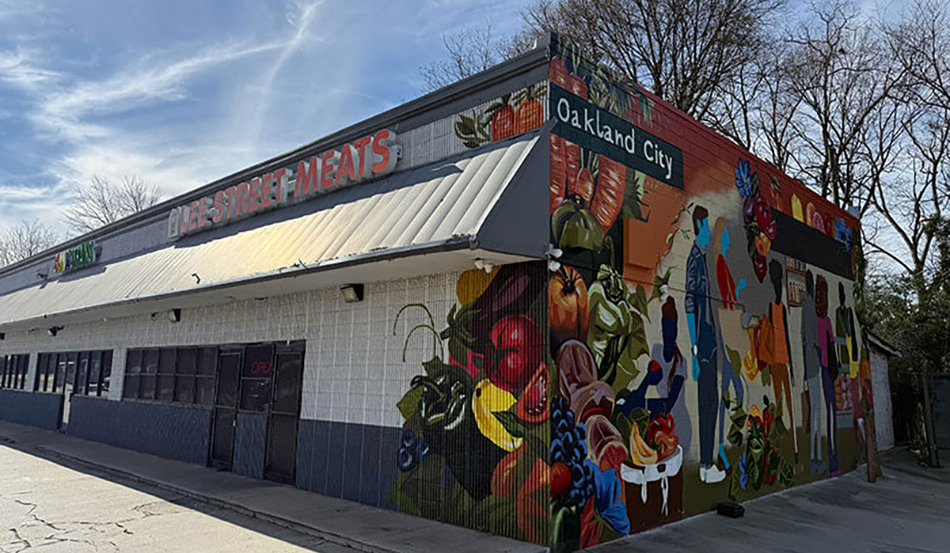
Lee Street Meats utilized grant money to buy equipment to get its meat processing area back up and running. The store had temporarily closed, but it was purchased by a real estate agent and her husband, a software engineer.
Her brother had operated the store for many years but had been forced to close. She and her husband decided to buy the store for him to run. She began spending time working in the store, too, and discovered an unexpected passion.
“She said, ‘Man, Jimmy. I love these people,’” Wright said. “Here’s this person with a successful career, has no idea about the retail food business. She’s working in the store some and all of a sudden she’s like, ‘This is fantastic.’”
Building relationships, not just stores
Page noted that some of the grocers “have been struggling since they began, some of them for generations. They have never had any of that outside connection, any of those assets or any of that support. When Jimmy Wright walks through their door, the relief that floods their face is incredible.”
At Pyramid Grocery on McDaniel Street, Wright made an initial visit to speak with the owner in the small corner store that she operates along with her dad and grown children. She shared with him the store’s history and challenges.
On his second visit, the owner’s son happened to be out in the parking lot. He greeted him with one word: “family.”
For Wright, it reinforced his commitment to serving these retailers. “I’m like, I’m in,” Wright recalled.
At Lee Street Meats, “a young lady [team member] said, ‘May I hug you all?’” Wright said. “I think when Ashley and I walk in the door, they feel hope.”
That hope comes not from solving every operational challenge but from providing encouragement and validation. “We can’t fix all their operations for them. That’s on them to do that, but the other side is that we can encourage them,” Wright said. “I think that’s probably the No. 1 thing I do when in the stores.
“We talk about the store and what’s going on, things like that, but I just keep encouraging them to stay the course, and we compliment what they’ve done to make improvements.”
For Page, who has worked with independent retailers through IGA for 25 years, this initiative represents a new frontier. Unlike the primarily successful operators she typically works with who seek additional resources and connections, many of these Atlanta grocers have been fighting for survival without any external support system.
Long-term commitment
Wright acknowledged the challenges ahead while expressing confidence in the city’s commitment to improving fresh food access for residents.
“I think we are slowly but surely beginning to get the pieces of the puzzle together to accomplish the goal that [Dickens] has in his commitment to the city,” Wright said.
With infrastructure changes largely in place for the grantees, the next goal for the stores is to grow sales; after that will come workforce development and other operational fine-tuning.
Wright wanted to be sure to point out the resilience of the grocers and their devotion to their mission: “With all the challenges that we have in our industry, we just continue to meet those folks – people that are committed to feeding our nation that have just unbelievable stories.”