
Aldi U.S. plans to open more than 180 stores by the end of 2026, as the grocer begins its 50th year in the U.S.
The Batavia, Illinois-based retailer also is sharing a look into its growth plans over the next five years, including entering Maine, continued growth in Southeast and West and plans to open three new distribution centers across the country.
By the end of 2026, Aldi will operate nearly 2,800 stores, pushing towards its goal of 3,200 locations by the end of 2028.
The growth plans are the company’s answer to demand for its shopping experience, with 17 million new customers visiting stores in 2025. Aldi also plans to unveil new digital experience in 2026.
“One in three U.S. households shopped at Aldi this past year, and in 2026 we’re focused on making it even easier for customers to shop our aisles first,” said CEO Atty McGrath.
“That means bringing Aldi to even more neighborhoods, upgrading our website and planning additional distribution centers to keep our shelves stocked with the products our shoppers love.”
Expansion targets key markets
In addition to opening a store in Portland, Maine, its 4oth state, the company has plans for more than 50 locations over the next five years in the Denver and Colorado Springs markets, supported by an accompanying distribution center.
The retailer will open 10 new stores in the Phoenix market, with plans to add a total of 40 stores in the market by the end of 2030. After debuting four locations in Las Vegas in 2025, it plans to double that count by 2030.
Aldi plans to continue its Southeast expansion in 2026 by converting nearly 80 former Southeastern Grocers locations to the Aldi format. Since acquiring SEG in 2024, Aldi has converted and opened about 90 stores, with plans to switch over more than 200 by the end of 2027.
[RELATED: Aldi Sells Southeastern Grocers To Private Investors]
Three distribution centers planned
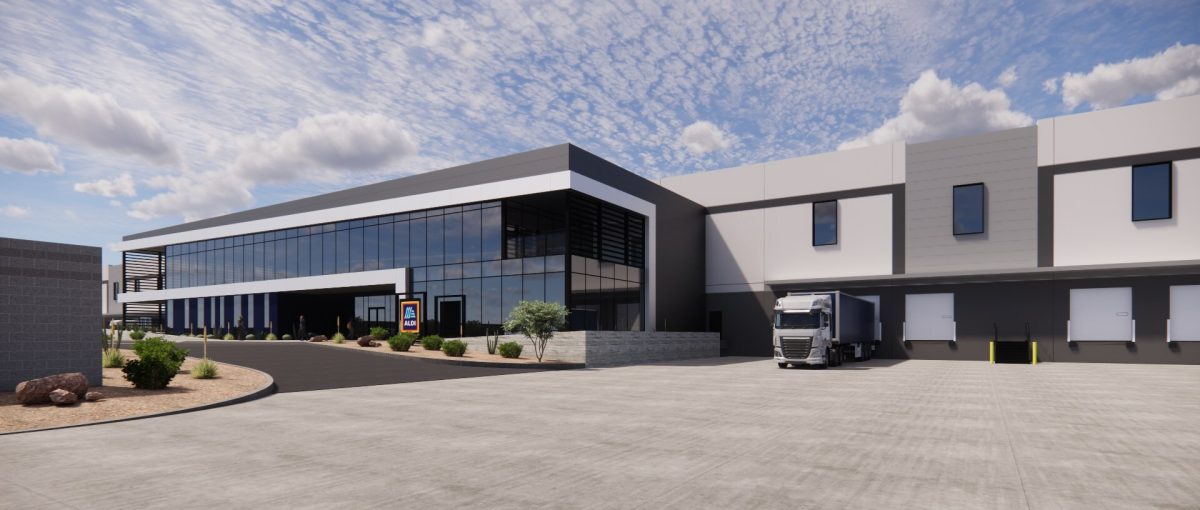
Aldi is increasing operational capacity with plans to open three new distribution centers in the next three years – Baldwin, Florida, projected for 2027; Goodyear, Arizona, projected for 2028; and Aurora, Colorado, projected for 2029.
The distribution centers will bring hundreds of jobs to each region. Aldi also is expanding its distribution center in Haines City, Florida, to include a new chilled center for perishable foods.
By 2028, Aldi will have invested $9 billion over five years to expand its store footprint, strengthen the supply chain and upgrade the online shopping experience.
“These strategic investments are all about making sure customers can continue to count on us for the quality, affordable groceries and enjoyable shopping experience they love,” McGrath said.
“As we look ahead to our next 50 years in the U.S., we’ll continue to earn shopper loyalty by staying true to what’s made Aldi successful: keeping things simple and delivering real value.”
Website redesign
By redesigning its website, Aldi aims to simplify the shopping experience.
Launching in early 2026, it will include tailored product recommendations for reordering, expanded nutritional information, shoppable recipes and tools to support shoppers in meal planning.
Shopping Aldi for curbside pickup will be easier through the website, which will offer more personalized product recommendations. Customers can also choose home delivery.
Continued and expanded delivery partnerships with Instacart, DoorDash and Uber Eats are in the works.
[RELATED: Aldi Partners With Uber Eats To Launch Nationwide Grocery Delivery]