
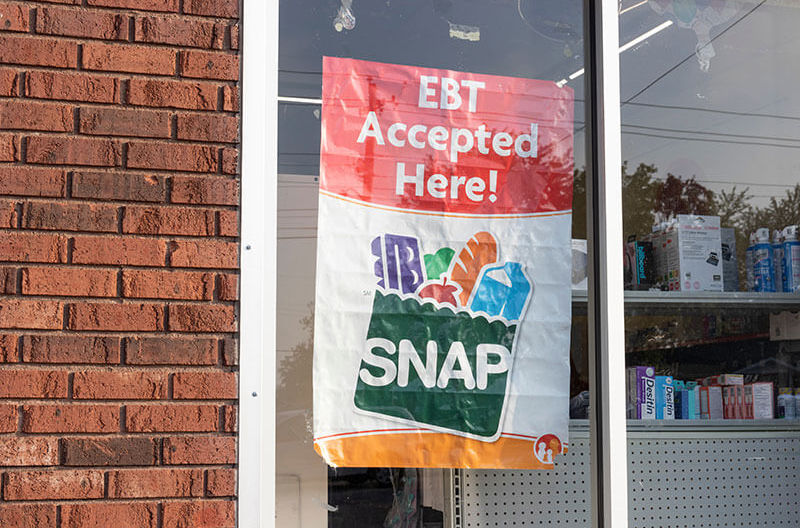
FMI – The Food Industry Association has responded to recent USDA guidance on Supplemental Nutrition Assistance Program (SNAP) waiver implementation, emphasizing the need for a clear transition period to help retailers prepare for new requirements that will affect point-of-sale systems, compliance and customer transactions.
In its statement, FMI highlighted the importance of a well-managed transition window between guidance issuance and formal waiver execution, noting that additional time and engagement with retailers can help identify and resolve compliance issues before waivers go into effect.
According to the association, this period is critical for retailers – particularly smaller and independent operators – to adapt systems, train staff and manage the operational complexities associated with evolving SNAP rules.
“This transition window is essential to helping retailers identify and raise compliance issues with USDA Food and Nutrition Service before formal implementation,” FMI said in its announcement.
The USDA’s guidance relates to the implementation of SNAP Food Restriction Waivers, which permit states to limit the use of SNAP benefits for specific products such as sugary beverages, candy and other items deemed non-nutritious as part of broader nutritional and public-health strategies.
The waivers, approved under authority of federal SNAP statute, aim to align purchases with dietary goals and reimbursable food definitions and have been approved for several states beginning in early 2026.
Retailers face operational challenges ahead of the new waiver rollout. Updating point-of-sale technology, training staff on variable state definitions and ensuring correct categorization of restricted products are among the key hurdles highlighted by industry stakeholders in recent months, amid concerns over inconsistent rules and administrative costs.
FMI’s said this underscores the need for robust communication between government, state agencies and the grocery industry, aiming to ensure that retailers can comply with new policies without disrupting customer access or front-line operations.
[RELATED: NGA Calls For Clear Guidelines On State SNAP Purchase Restrictions]